 China Beverage Machinery
LanguageEnglish
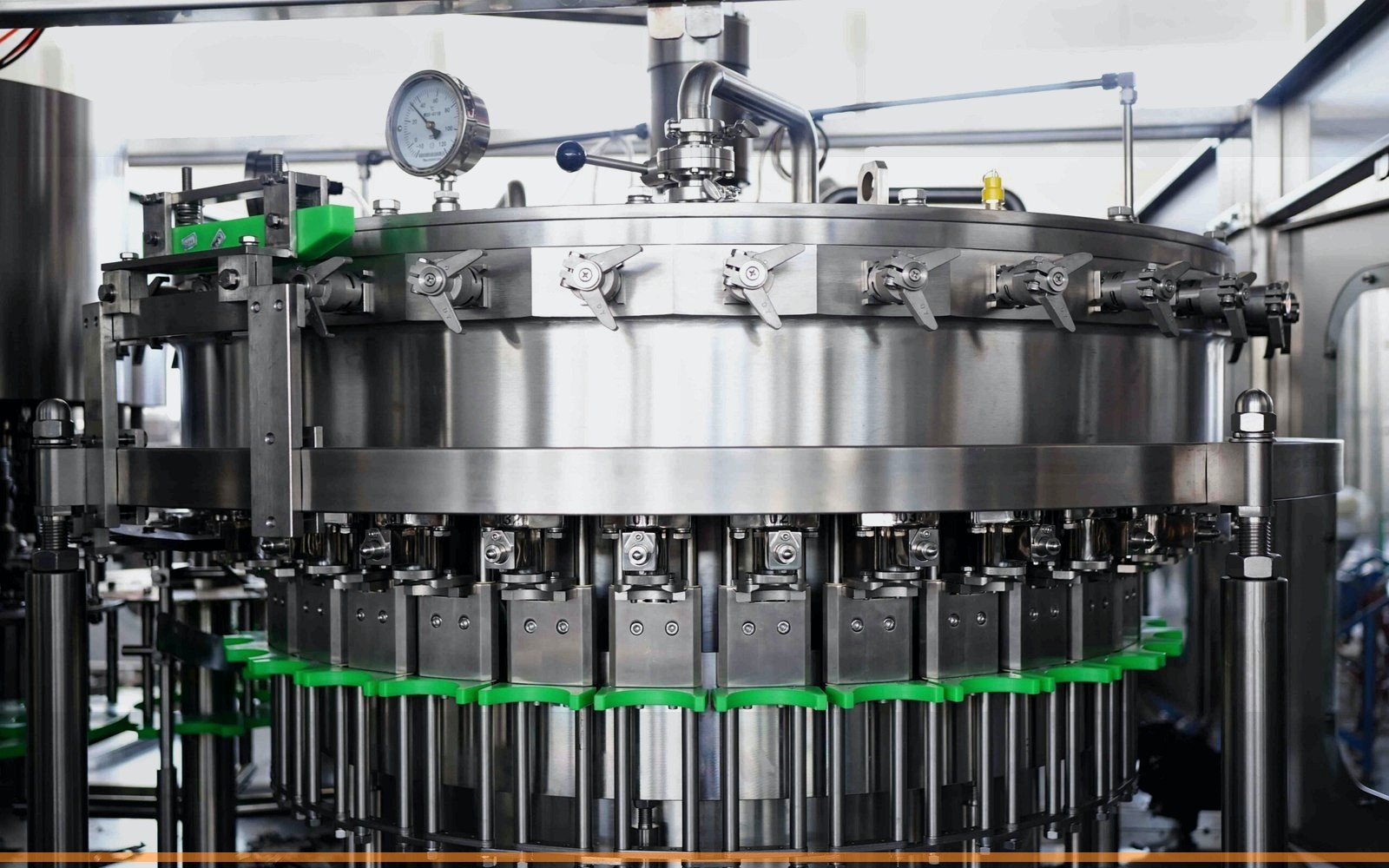
How to Choose a Beverage Filling Machine
Compare gravity or normal-pressure, isobaric, hot-fill and volumetric filling concepts by product, carbonation, temperature, viscosity, container and hygiene needs.
Method comparison
The beverage decides the filling concept
Names such as gravity, isobaric, hot fill and volumetric describe different parts of the filling decision. Final selection must also fit the product process, package, hygiene plan and complete line.
| Filling concept | Typical project fit | Critical RFQ inputs | Common mistake |
|---|---|---|---|
| Gravity / normal pressure | Still water and suitable low-viscosity, non-carbonated beverages. | Product, viscosity, filling temperature, bottle size, neck finish, hygiene and speed. | Assuming every non-carbonated liquid behaves like water. |
| Isobaric / counter-pressure | Carbonated soft drinks, sparkling water and other products that must retain dissolved gas. | CO2 level, product temperature, pressure, bottle or can specification, closure and foam behavior. | Quoting the filler without mixer, chiller, CO2 system and package-pressure inputs. |
| Hot-fill process | Suitable heat-treated juice, tea and other beverages where product and package are designed for the selected thermal process. | Recipe, pH and particles, treatment route, fill temperature, bottle heat resistance, cap and cooling. | Choosing a hot-fill valve while ignoring product treatment, bottle design and cooling tunnel. |
| Volumetric / flow-meter / piston | Projects where measured dose, product behavior, viscosity or particles drive filler selection. | Viscosity range, particles, target accuracy, temperature, foaming, cleaning and product recovery. | Selecting by accuracy claim alone without checking cleanability and product compatibility. |
A single beverage may involve more than one descriptor. For example, a project can require measured filling plus a defined temperature or hygiene environment. Ask the supplier to explain the complete process, not only the valve name.
Five-step selection path
Prepare the decision before requesting a machine price
1. Define the product
State whether it is water, juice, tea, CSD, energy drink or another beverage, plus viscosity, particles, carbonation and foaming behavior.
2. Define the thermal route
Clarify ambient, chilled, warm, hot-fill, ultra-clean or aseptic expectations with the product specialist responsible for process validation.
3. Fix the package
Provide PET, glass or can drawings, volume range, neck or end details, closure, pressure or heat requirements and samples where possible.
4. Set output and formats
Share BPH or CPH, shift hours, number of formats, changeover expectation and future capacity plan.
5. Check the whole line
Connect treatment, tanks, CIP, blowing, rinsing, closing, labeling, packing, inspection, utilities and commissioning.
6. Define acceptance
Agree reference product and format, output test, fill-level or volume checks, closure checks and documentation before shipment.
Product routes
Open the line page that matches the beverage
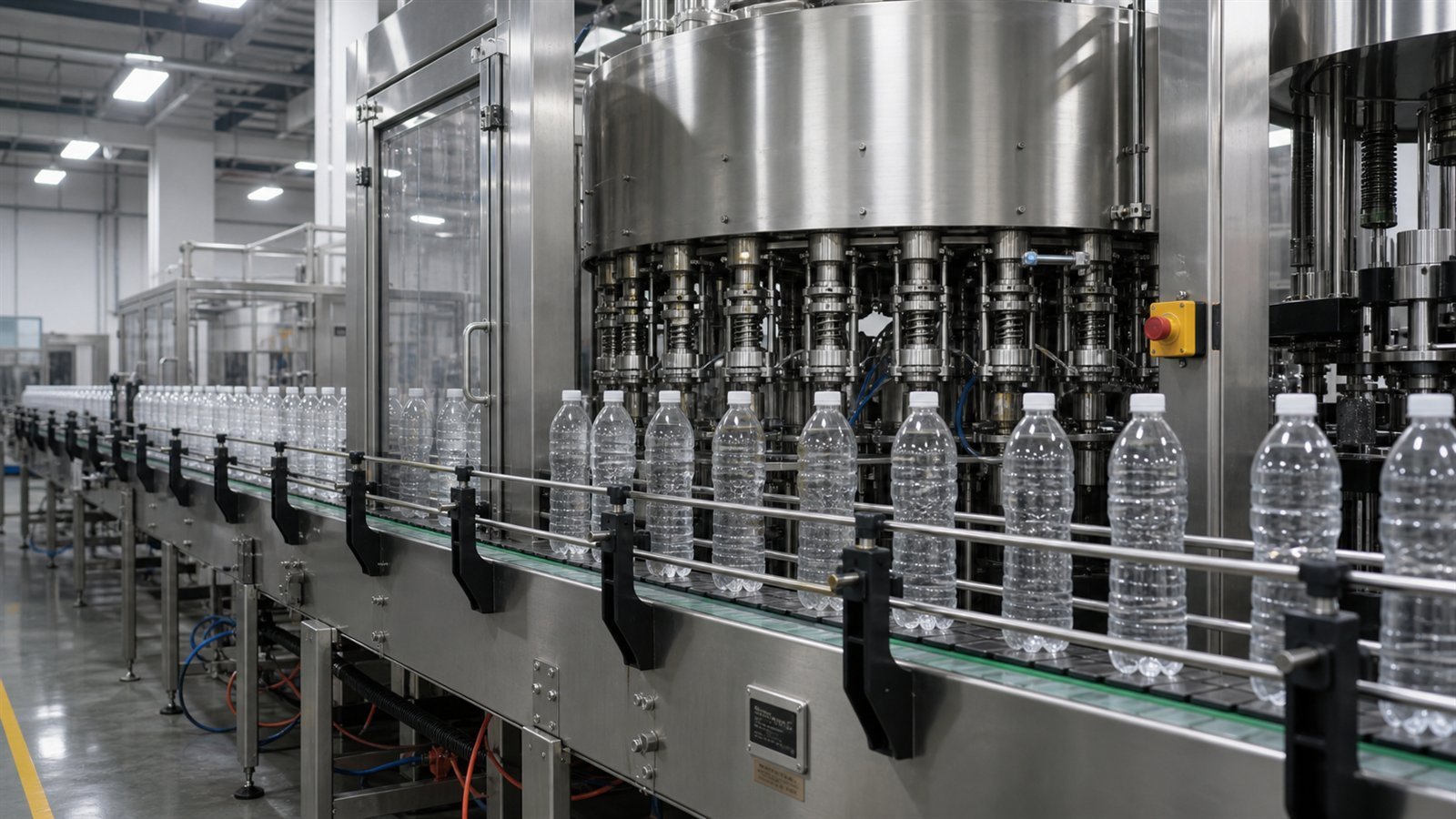
Still Water
Review water treatment, sanitary filling, bottle supply, capping, labeling and packing as one line.
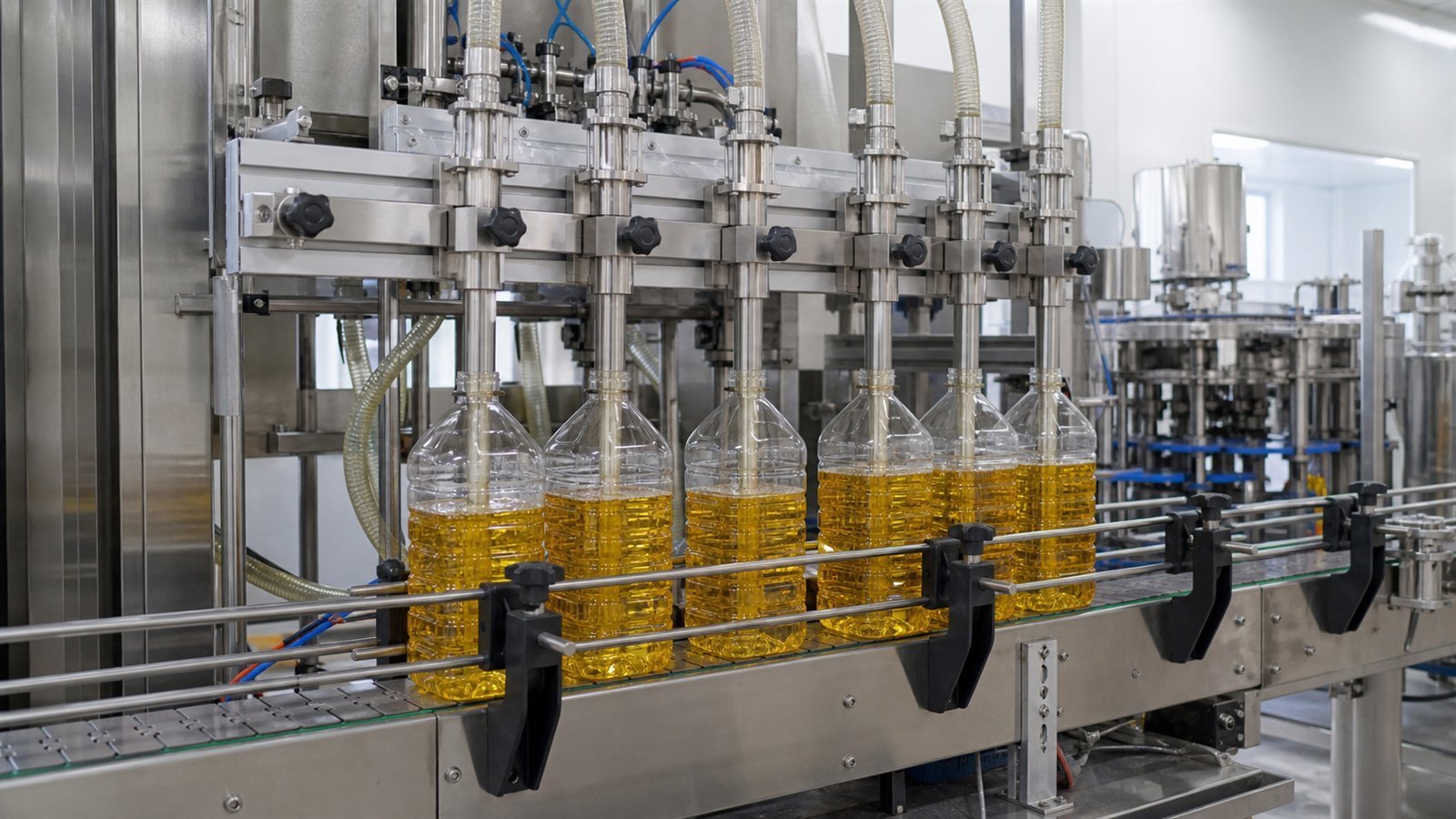
Juice and Tea
Connect preparation, thermal process, hygiene, filling temperature, cooling and package compatibility.
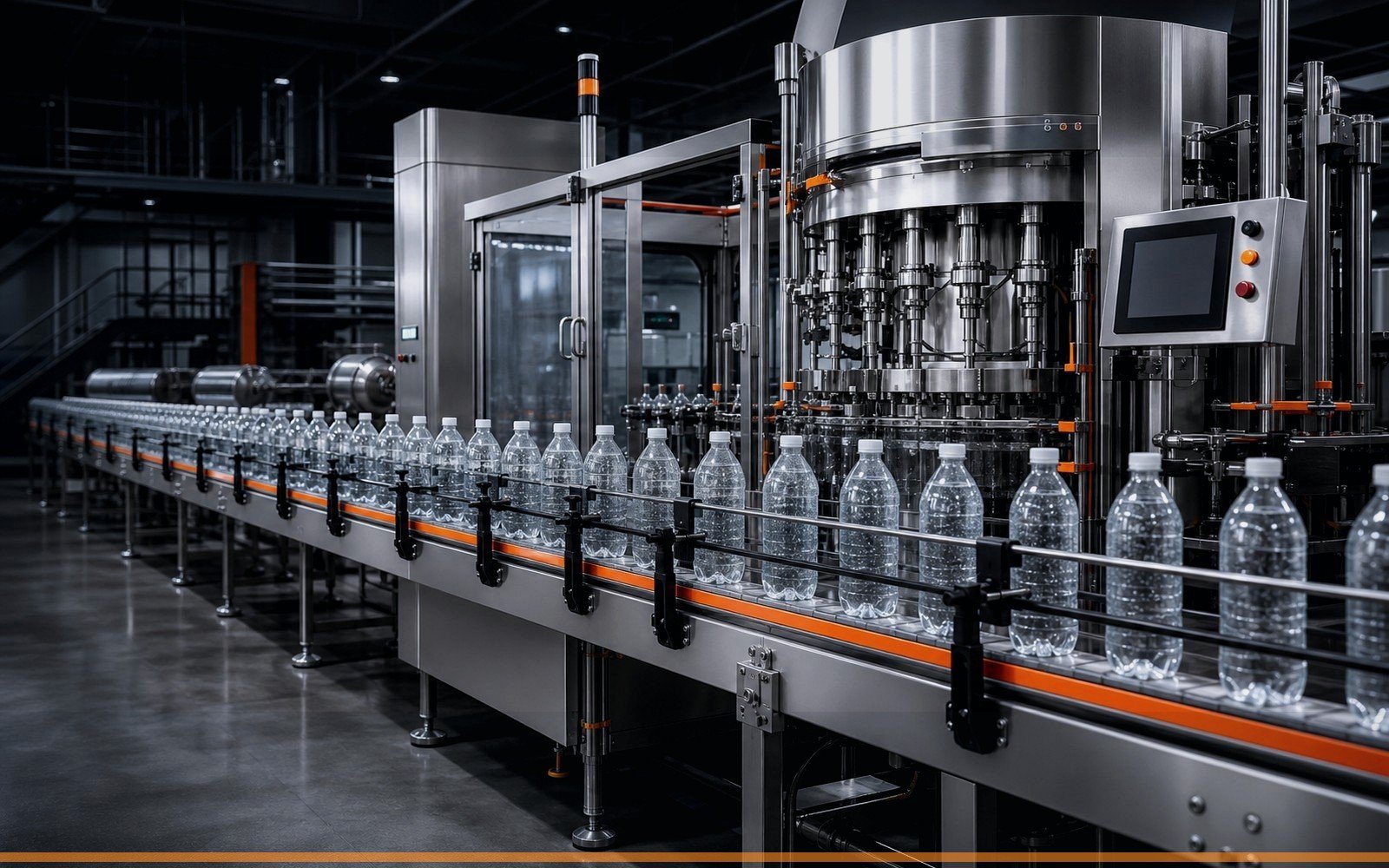
Carbonated Drinks
Connect mixing, chilling, CO2 control, pressure filling, closing, inspection and packing.
Quotation checks
Questions the technical offer should answer
- What product and package conditions were used for the rated speed?
- Which filling principle and valve configuration are proposed, and why?
- What product-contact materials, cleaning route and CIP scope are included?
- How are fill level or volume, closure quality and rejected containers checked?
- What upstream and downstream machines are required to reach line output?
- Which change parts, spare parts, commissioning tests and operator training are included?
FAQ
Beverage filling machine selection questions
Which filling method is normally used for bottled water?
Still water projects commonly use sanitary normal-pressure or gravity-based filling concepts, but the final design still depends on bottle, speed, hygiene and water treatment scope.
Why do carbonated drinks need isobaric or counter-pressure filling?
The container and product are handled under controlled pressure to reduce uncontrolled CO2 release and foaming during filling. Product temperature, carbonation and package strength must be defined.
Is hot fill a type of filling valve or a complete process decision?
It is a process and packaging decision, not only a valve choice. Product treatment, filling temperature, bottle and cap compatibility, cooling and hygiene scope must work together.
When should I discuss volumetric or flow-meter filling?
Discuss it when fill volume control, product properties, viscosity, particles or multiple formats make dose measurement a key project requirement. Cleaning and product recovery also matter.
Related buyer guides
Turn the filling choice into a complete line specification
Choose the Filler as Part of an Operating System
After selecting filling technology, confirm how the line will handle packages, changeovers, cleaning and sustained finished-pack output.
Continue the technical comparison
Use the most relevant planning and service pages instead of treating each machine as an isolated purchase.