 China Beverage Machinery
LanguageEnglish
PET Bottle vs Glass Bottle vs Can Filling Line
Compare the equipment and project consequences of PET bottles, glass bottles and beverage cans before fixing a filling machine specification.
Buyer comparison
Container choice changes the complete line
The container affects how empty packages arrive, how they are handled, filled and closed, what inspection is required and how finished products are packed.
| Decision area | PET bottle line | Glass bottle line | Can beverage line |
|---|---|---|---|
| Empty container supply | Preforms with bottle blowing, or supplied empty bottles with unscrambling and air conveying. | New one-way bottles or returnable bottles; returnable projects may add crate and bottle washing. | Can depalletizing, rinsing and controlled transfer to the filler. |
| Container handling | Often neck handling for light bottles; bottle design and base stability matter downstream. | Bottom and side support with breakage control, careful transfer and inspection. | Body and base handling with attention to dents, can stability and hygienic transfer. |
| Filling and closing | Still, hot-fill or isobaric filling depending on product; usually plastic cap handling. | Still, hot-fill or isobaric filling; crown cap, aluminum cap or other closure options. | Filling followed by can-end placement and seaming; seam control is a core quality point. |
| Format inputs | Bottle drawing, neck finish, preform, cap, label and pack pattern. | Bottle drawing, finish, closure, one-way or returnable flow, label and crate/carton details. | Can body and end specification, fill volume, seaming requirement, tray/carton and multipack details. |
| Downstream scope | Drying, labeling or sleeving, coding, shrink or carton packing and palletizing. | Inspection, labeling, coding, crate/carton or shrink packing, with breakage management. | Leak or seam checks where specified, coding, tray/carton/shrink packing and palletizing. |
| Common RFQ gap | Quoting a filler before confirming bottle blowing and bottle design. | Ignoring returnable bottle washing, inspection or breakage handling. | Requesting a filler without defining the can end, seamer and pack format. |
Decision paths
Start with the supply chain and product, not appearance alone
PET Bottle Project
Clarify whether bottles will be blown in-house, the required bottle pressure or heat resistance, cap and label materials, and the desired pack format.
Glass Bottle Project
Define one-way versus returnable bottles, washing and inspection scope, closure type, breakage handling and crate or carton logistics.
Can Beverage Project
Confirm can body and end specifications, product carbonation, filler-seamer interface, seam checks, date coding and tray or carton packing.
Project scope
What can be shared and what usually changes
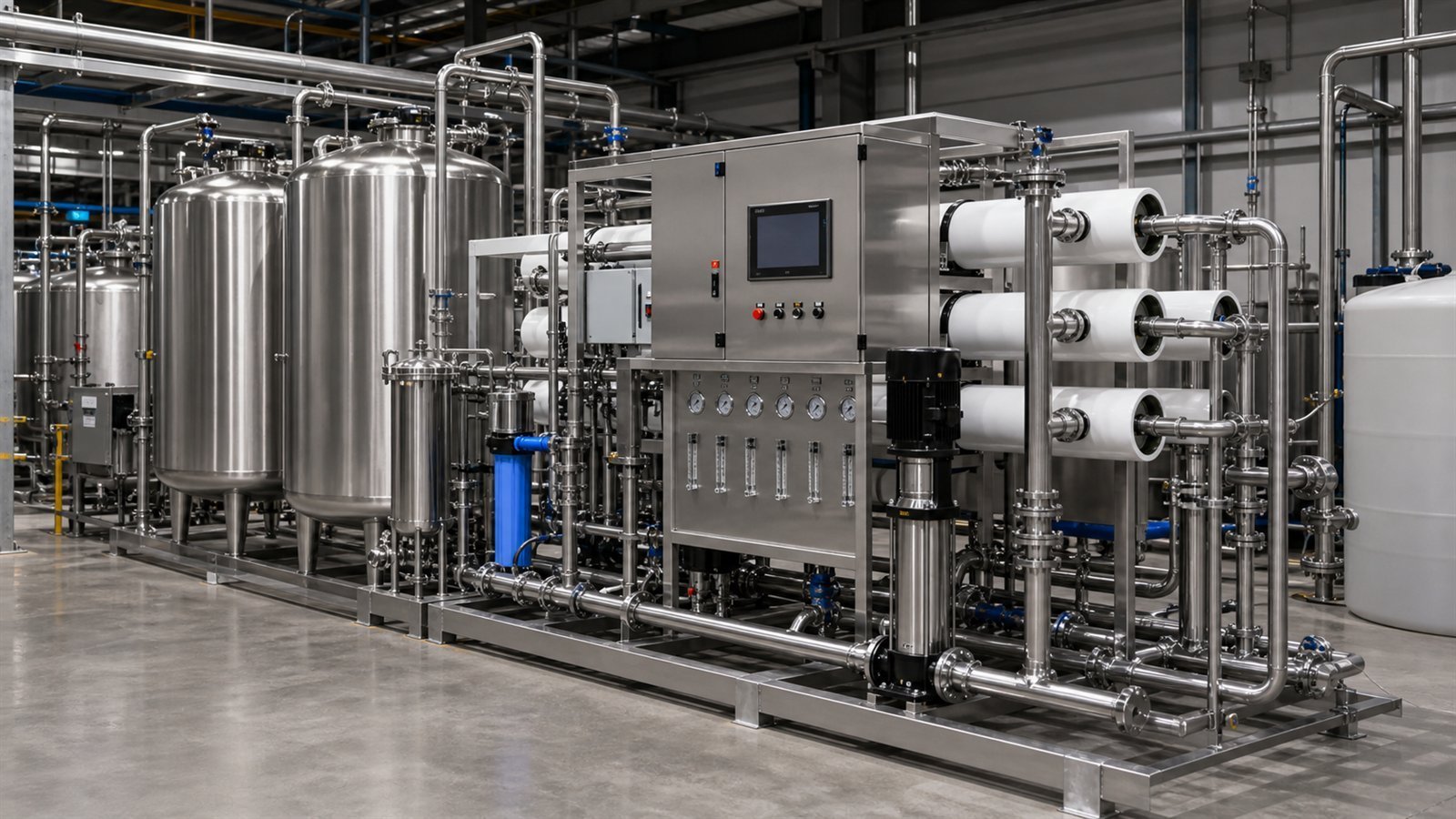
Upstream Process
Water treatment, mixing, pasteurization, carbonation or storage may support more than one package, subject to product and hygiene requirements.
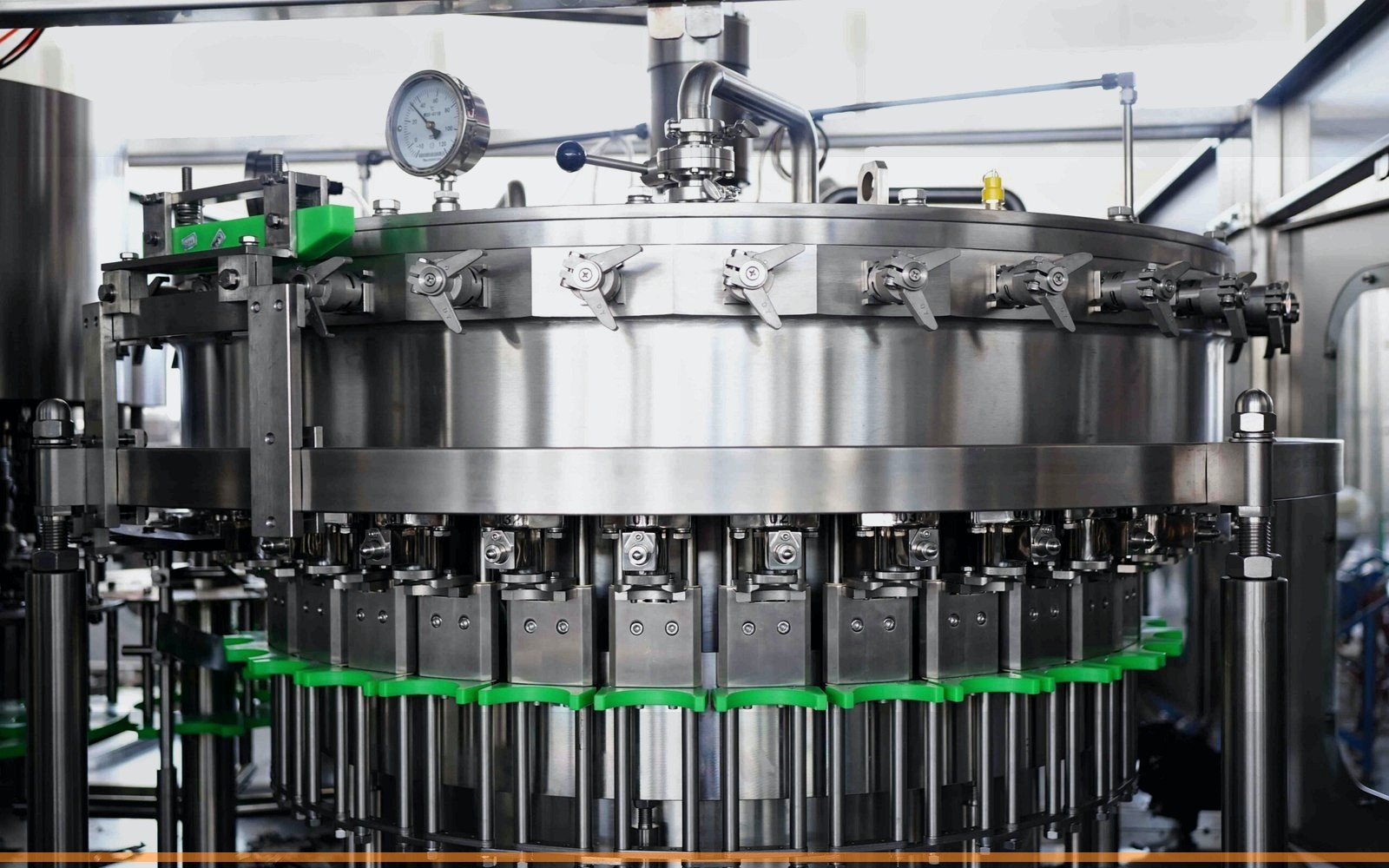
Filling and Closing
PET caps, glass closures and can seams require different handling, closing hardware, quality checks and change parts.
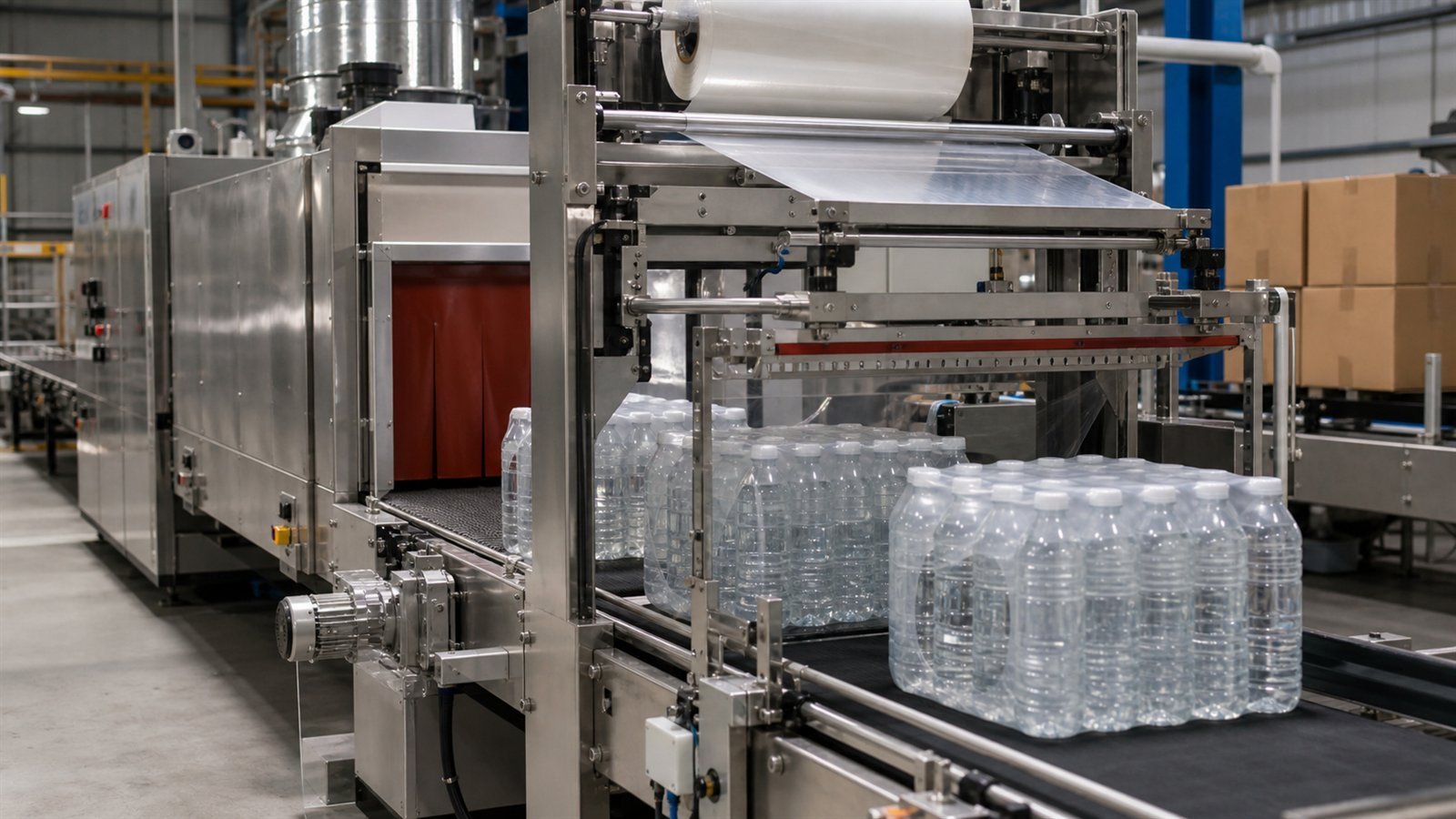
Secondary Packing
Shrink film, trays, cartons, crates, handles and pallet patterns must be defined for the actual container and distribution route.
RFQ preparation
Send these details before asking suppliers to compare formats
- Product type, carbonation, particles, viscosity and expected filling temperature.
- Container drawing or sample, fill volume and target formats.
- Cap, crown, aluminum closure or can-end specification.
- New, one-way or returnable container supply plan.
- Label material, code position, tray, carton, crate or shrink-pack requirement.
- Target BPH/CPH, shifts, factory space, utilities and destination country.
FAQ
PET, glass and can line questions
Which container is cheapest for a beverage line?
There is no reliable universal answer. PET, glass and cans change container supply, filling and closing equipment, secondary packing, logistics, utilities and local material costs.
Can one filling line run PET bottles, glass bottles and cans?
These formats use different handling and closing systems. Some projects can share upstream processing or downstream equipment, but the filling and container-handling concept must be reviewed separately.
What must I send before requesting a container-specific quotation?
Provide container drawings or samples, closure or can-end details, fill volume, product, carbonation or filling temperature, label method, final pack format and target speed.
How does returnable glass change the line scope?
Returnable glass can require bottle and crate handling, washing, inspection and rejection logic that are not part of a one-way bottle line.
Related equipment and cost pages
Continue with the format you plan to buy