 China Beverage Machinery
LanguageEnglish
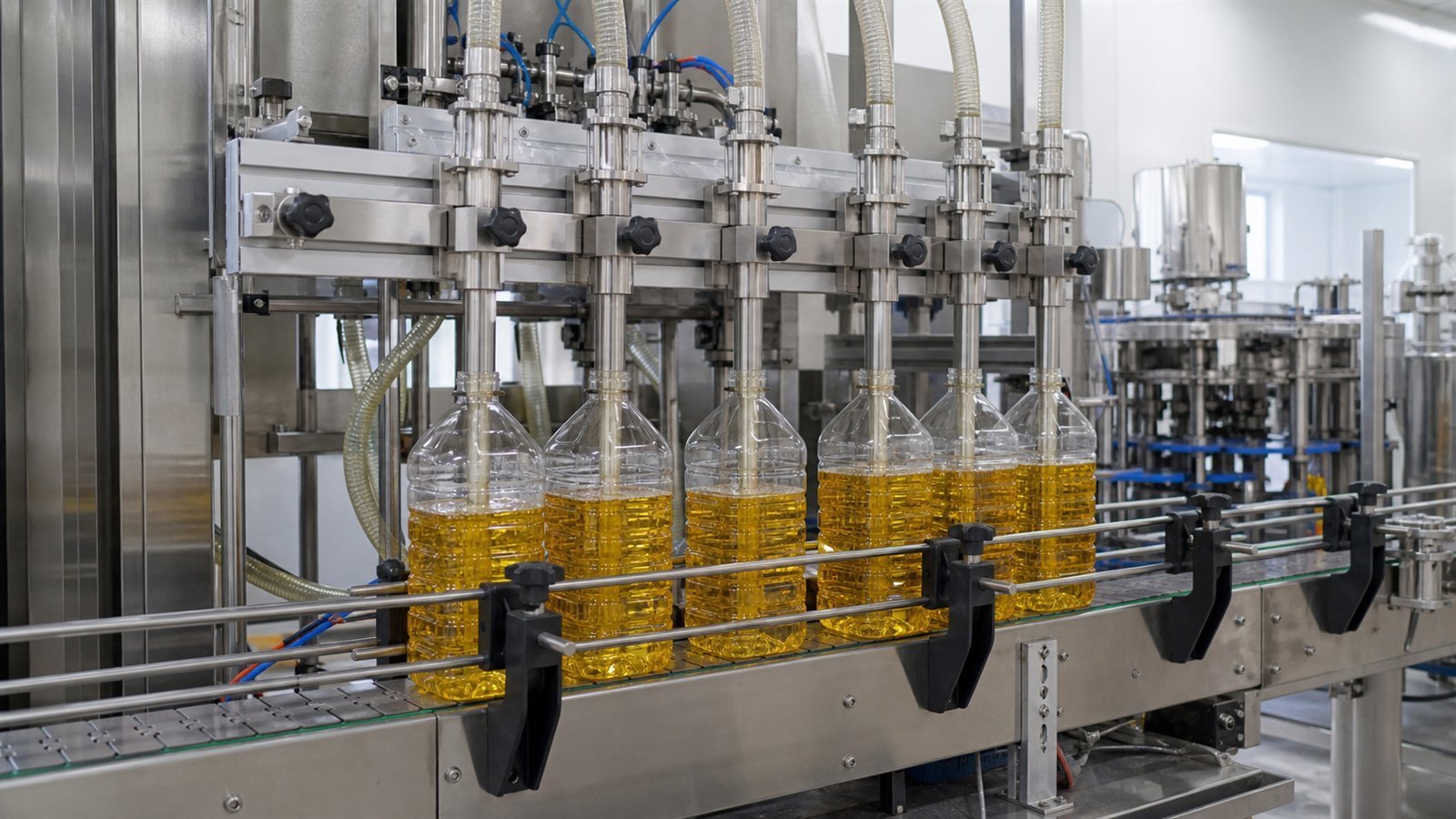
Hot Fill vs Ultra-Clean vs Aseptic Beverage Filling Guide
Use this guide to prepare technical questions for juice, tea, functional drinks and sensitive beverage projects before comparing filling line quotations.
Process choice
Aseptic, ultra-clean or hot fill should be decided by product risk
Do not select a filling machine only by container type. The product recipe, shelf-life target, distribution temperature and hygiene requirement drive the line concept.
- Product pH, pulp, viscosity, particles, carbonation, preservatives and shelf-life target.
- Ambient, chilled or hot-chain distribution requirement and expected storage conditions.
- Bottle material, cap type, closure sterilization and label or sleeve heat tolerance.
- Sterilization process, holding time, filling temperature and cooling tunnel requirement.
- CIP and SIP expectations, tank hygiene, pipe design and clean-zone management.
- Validation documents, operating procedure and local food-safety questions to clarify.
Quotation comparison
Questions that separate real line scope from a low machine price
This page targets planning searches and helps buyers avoid comparing incomplete quotations.
Product Process
Clarify blending, filtration, homogenization, pasteurization, sterilization, filling and cooling requirements.
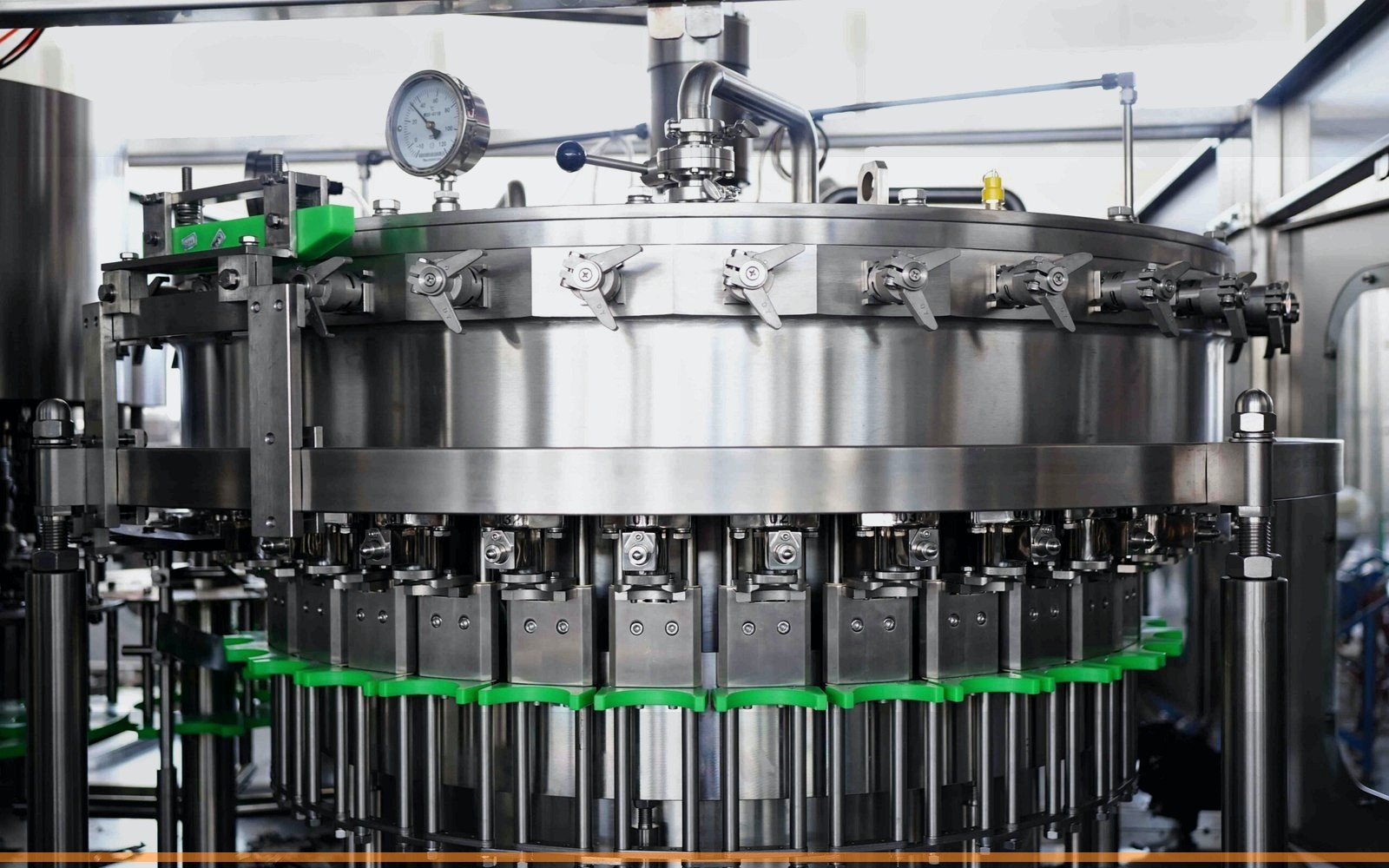
Hygiene Design
Ask about tank, pipe, valve, CIP, clean area and operator access details in the technical offer.
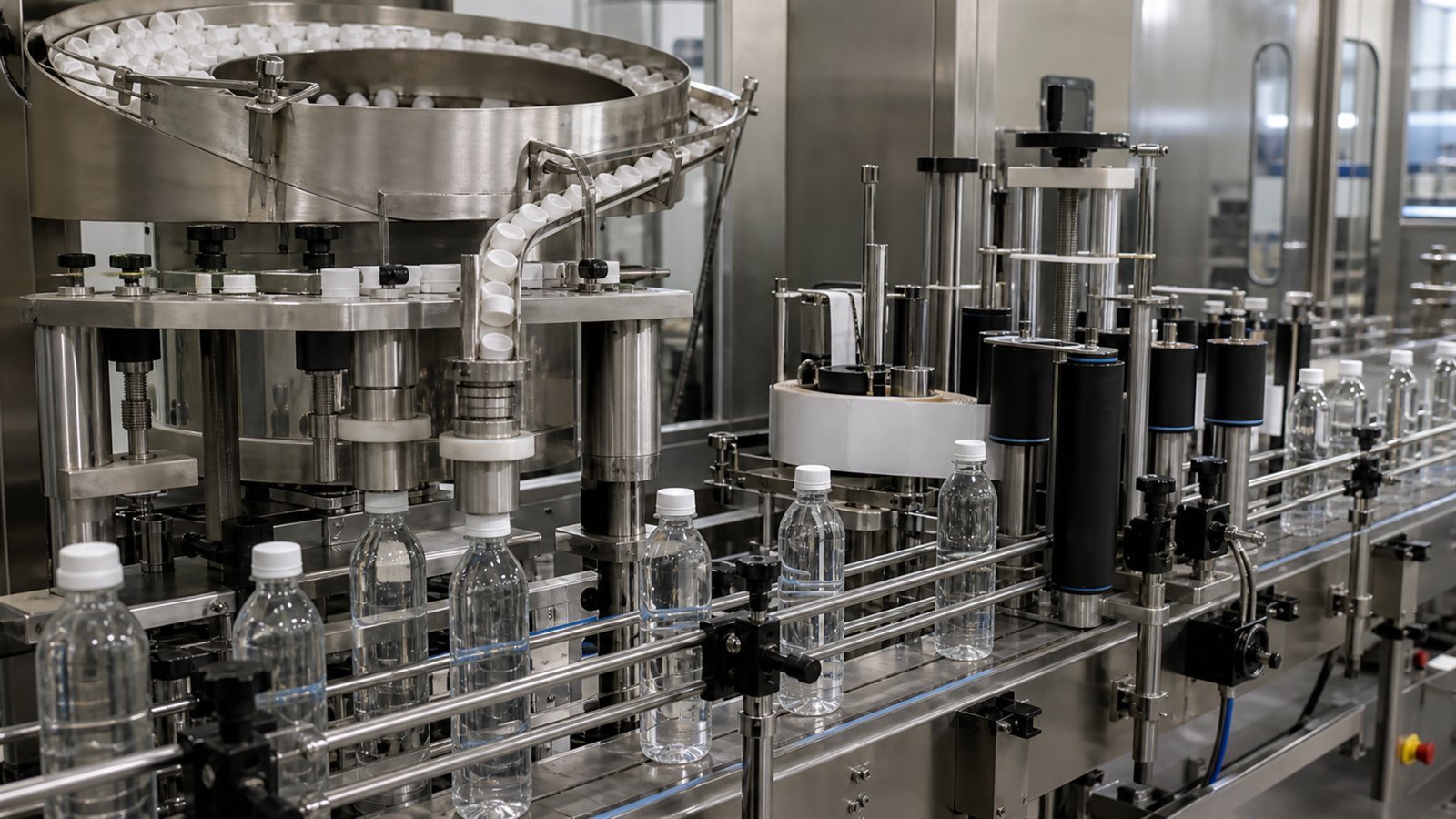
Packaging Fit
Confirm bottle heat resistance, cap compatibility, sleeve or label behavior and downstream packing.
Process comparison
Hot Fill vs Ultra-Clean vs Aseptic Filling
The correct path depends on product risk, shelf-life target, container treatment and the validated hygiene boundary. Use this table to prepare an engineering discussion, not as a substitute for product testing.
| Process path | Typical planning fit | Package considerations | Engineering emphasis |
|---|---|---|---|
| Hot fill | Acidic juice, tea or similar products where the formula and package support a defined hot-fill process. | Heat-resistant PET or glass, closure compatibility and controlled cooling. | Thermal process, hold time, cooling, bottle deformation and utility load. |
| Ultra-clean | Products needing a tighter hygiene boundary than a conventional line, subject to formula and shelf-life validation. | Sanitized container and closure with controlled transfer and filling environment. | Hygienic design, environmental control, cleaning procedures and changeover discipline. |
| Aseptic | Sensitive shelf-stable products requiring a validated sterile product and packaging boundary. | Validated package sterilization and sterile closure handling. | Sterilization validation, sterile tanks and filler, monitoring and contamination control. |
Questions Buyers Ask Before Configuration
Which filling path has the lowest project cost?
There is no universal answer. Hot fill can use a simpler hygiene boundary for suitable products, but heat-resistant packaging, cooling and energy use also affect total project cost. Compare complete line scope, not only the filler.
Can one beverage line switch between hot fill and aseptic production?
Some upstream and downstream modules may be shared, but the sterile boundary, package treatment, filler design and validation requirements are different. Product and package changeovers must be reviewed case by case.
What information is needed before selecting the process?
Prepare beverage formula, pH, pulp or particles, target shelf life, fill temperature, container and closure, required BPH, factory utilities and destination market requirements.
Does aseptic filling automatically mean preservative-free production?
No. Preservative use and shelf-life performance depend on formulation, microbial risk, thermal process, packaging and validation. The line alone cannot guarantee the product claim.
Related planning pages