 China Beverage Machinery
LanguageEnglish
Beverage Line Utility Planning Guide
Prepare water, power, compressed air, steam, drainage, cooling, CIP and factory-space details before requesting a complete beverage line quotation.
Utility checklist
Inputs that affect machine selection and quotation accuracy
Utility assumptions influence machine model, tank size, installation layout, operation cost and project schedule.
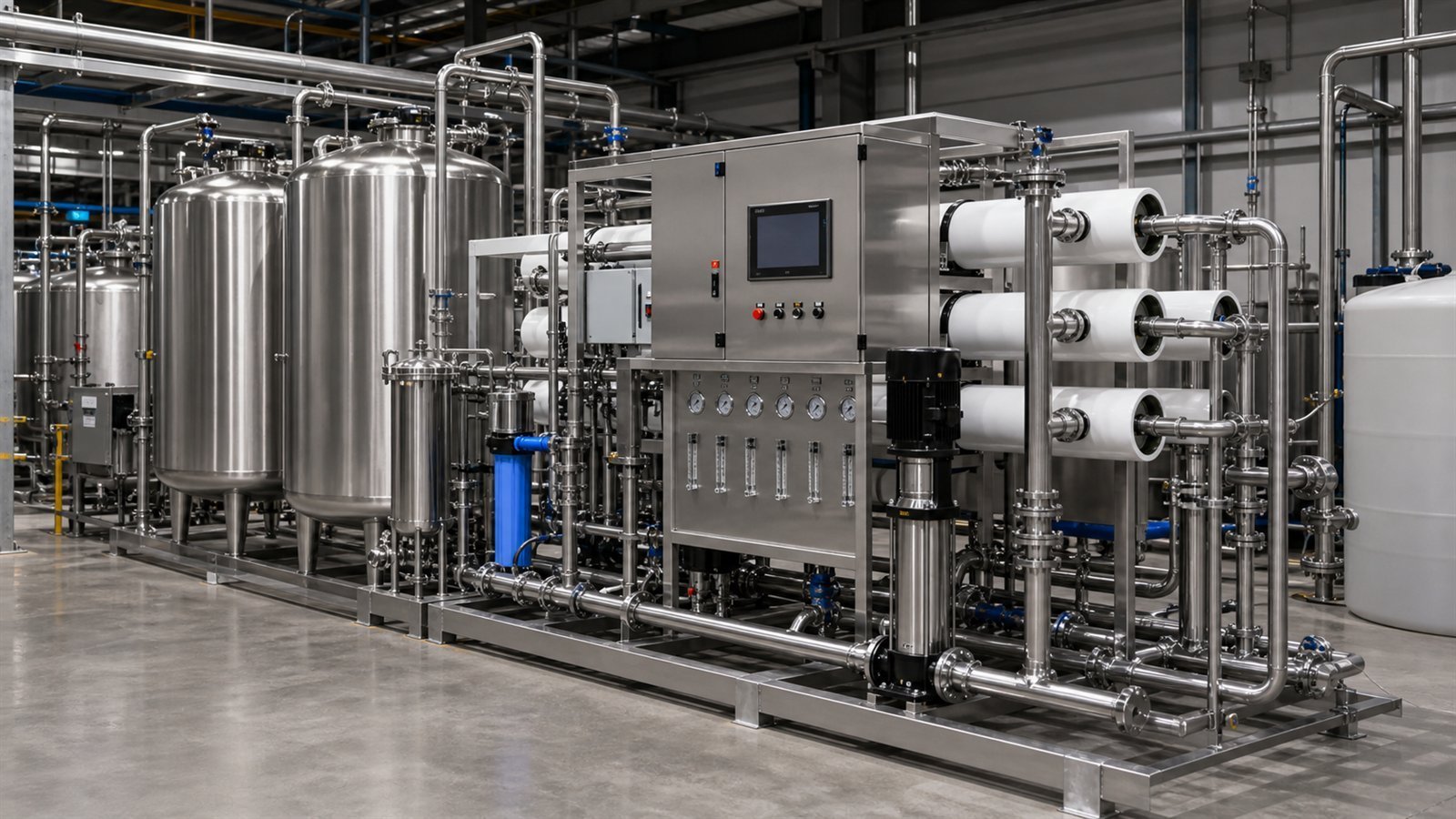
- Raw water quality, required treatment process, storage volume and product water demand.
- Power supply voltage, frequency, phase, available capacity and electrical cabinet location.
- Compressed air pressure, air volume, dryer or filtration requirements and pipe route.
- Steam, hot water, chilled water or cooling requirement for juice, tea, CSD or CIP systems.
- Drainage slope, floor drain positions, wastewater handling and clean-area separation.
- Factory ceiling height, door size, equipment access, operator walkways and maintenance space.
By beverage type
Utility topics change by product and process
This resource adds a high-intent planning topic that buyers search before they are ready to buy machines.
Bottled Water
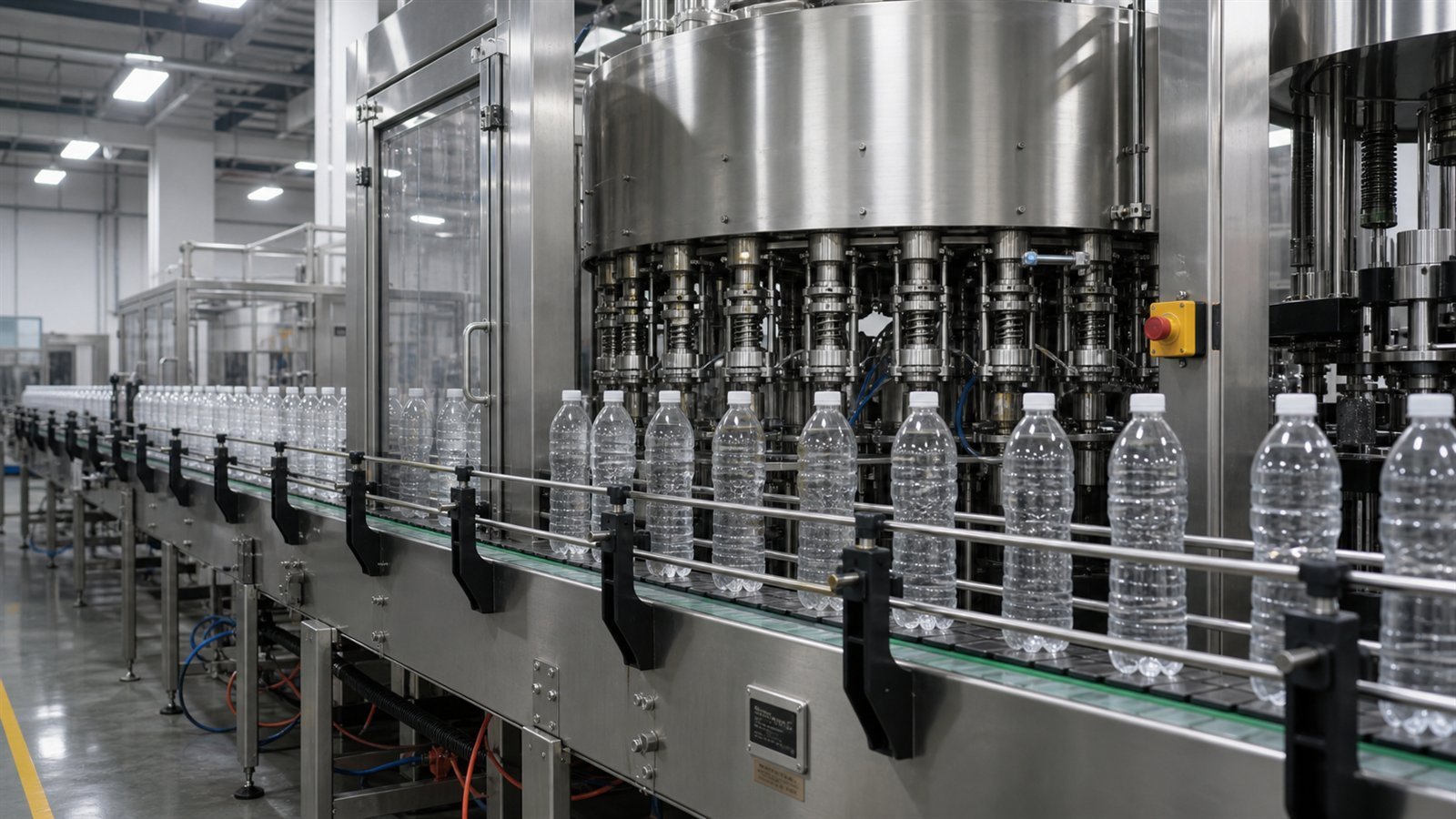
Focus on raw water, RO or filtration, ozone or UV, compressed air, power and drainage.
Juice and Tea
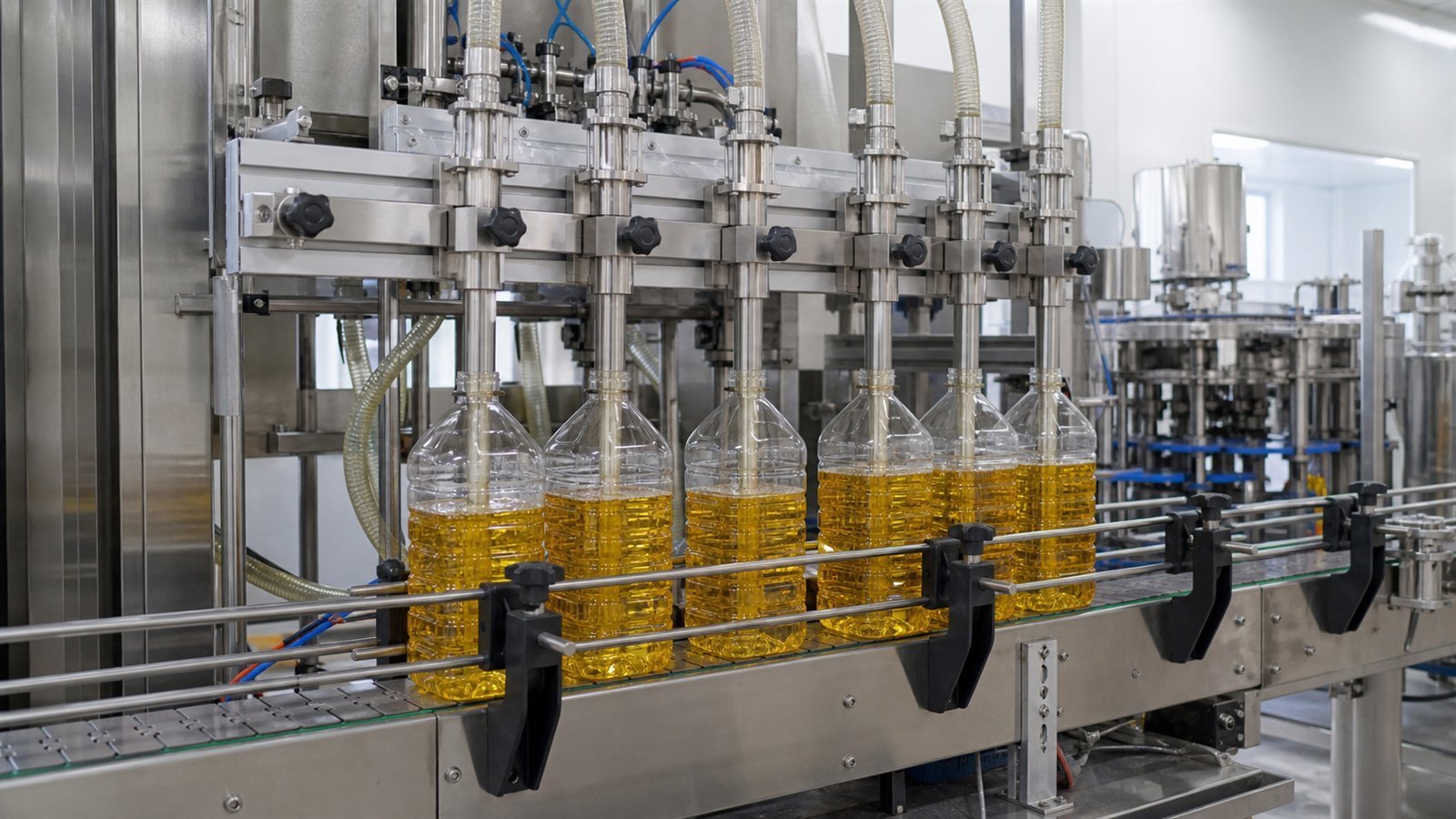
Review heating, cooling, CIP, sterilization, blending, product tanks and clean operation zones.
CSD and Cans
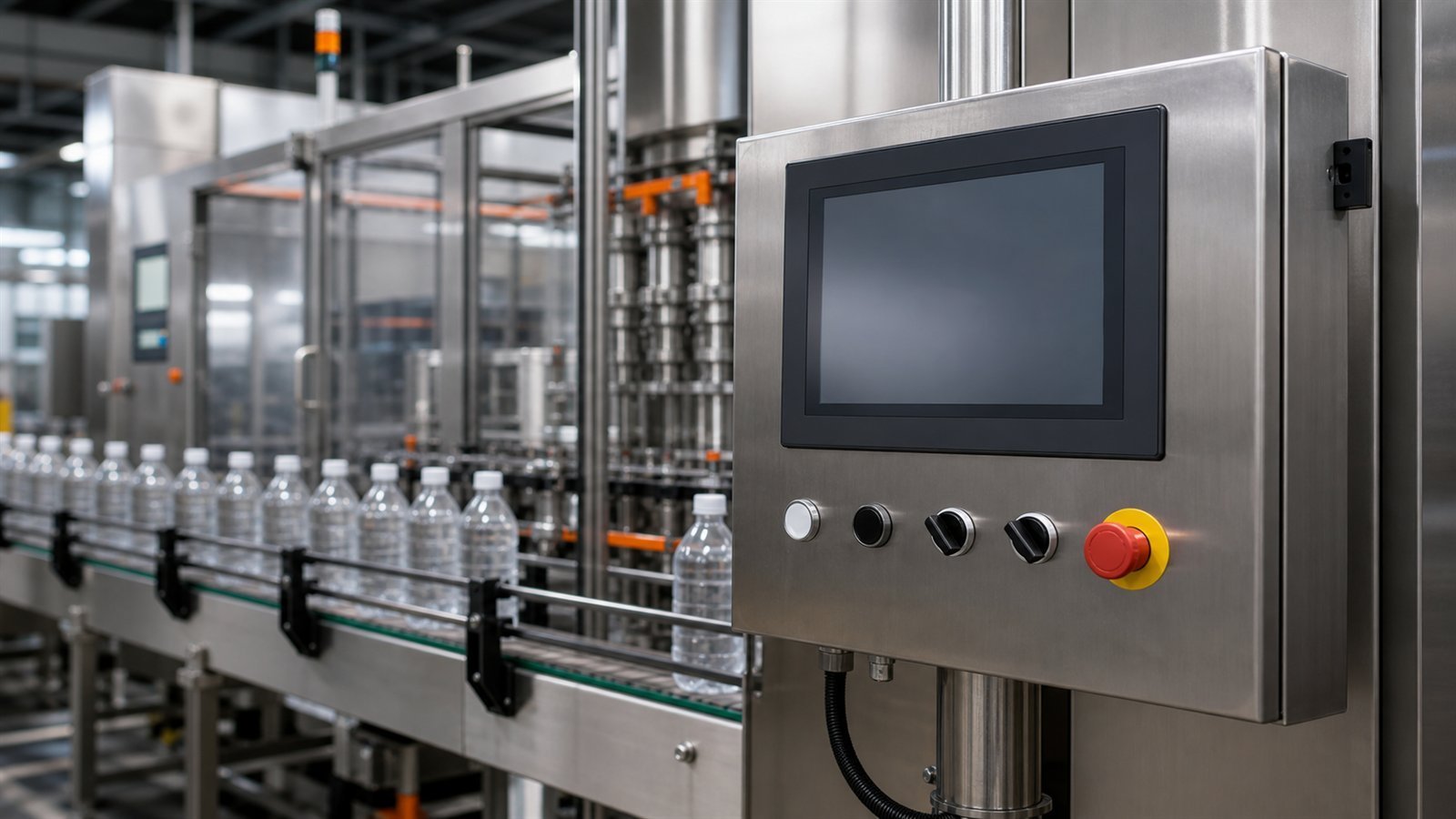
Check CO2 supply, carbonation process, compressed air, power, rinsing water and packing layout.
Related planning pages
Use utility details inside your RFQ
Calculate simultaneous utility peaks
Engineering basis
List every user of product water, rinse water, CIP, steam or hot water, chilled water, compressed air, high-pressure air, CO2, power and drainage. Record minimum, normal and peak condition, duration, recovery assumption and which users can operate at the same time.
Quotation and handover
Utility sizing should cover startup, changeover and cleaning as well as steady production. Show the supplier battery limit, buyer distribution route, instrumentation and acceptable quality at each connection so installation quotations do not hide missing boilers, chillers, compressors, tanks or drains.
Keep assumptions visible
Final equipment depends on confirmed product, package, saleable output, utilities, factory conditions, destination requirements and acceptance responsibilities. Unconfirmed items should remain documented assumptions or separately priced options.