 China Beverage Machinery
LanguageEnglish
Can Line Quality Planning
Beverage Can Filling and Double Seam Inspection Guide
Can filling performance depends on the product, filling method, can-and-end specification, lid placement, double seaming, inspection and downstream handling working as one controlled packaging process.
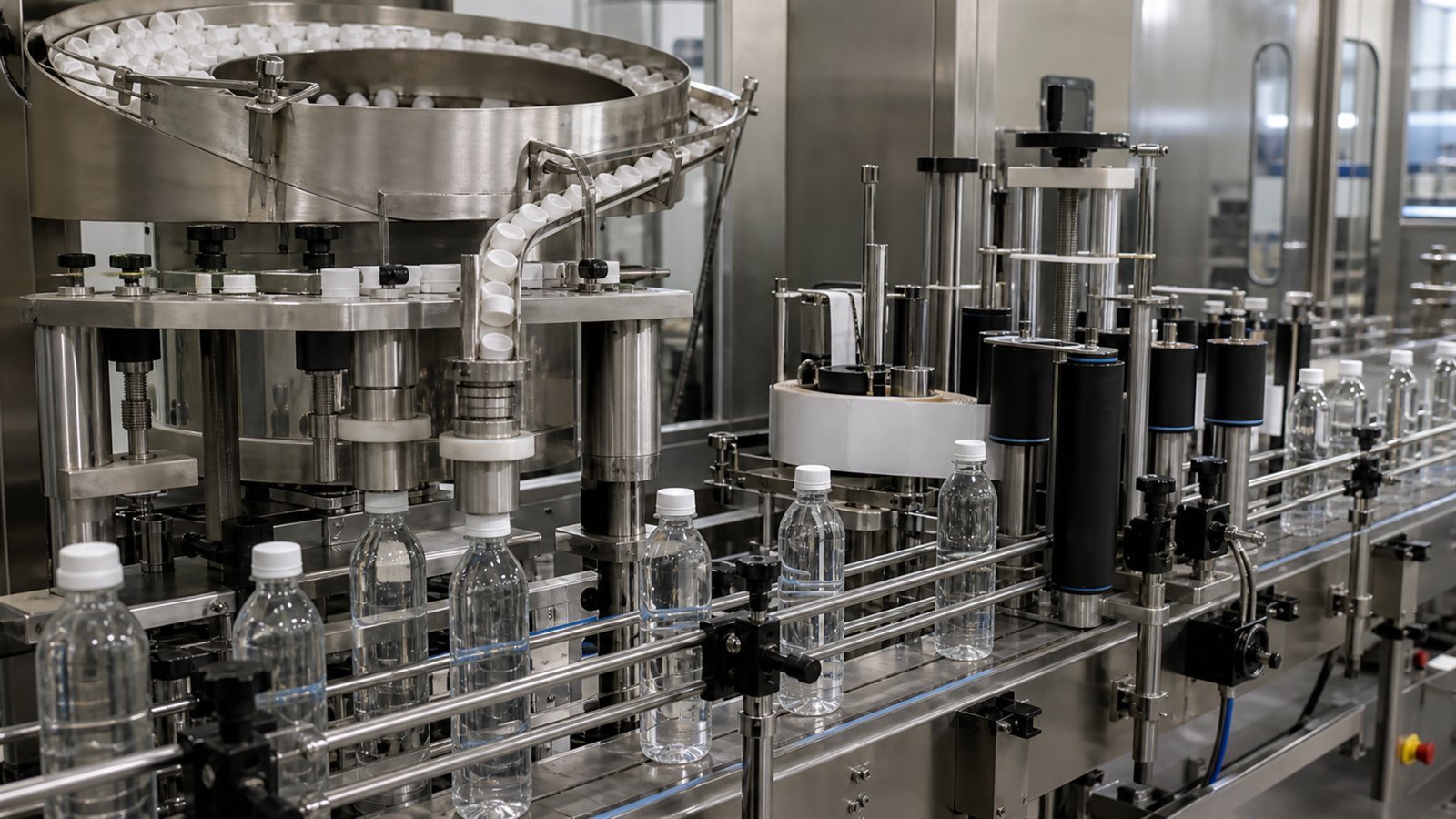
Where Filling and Seaming Fit in a Can Line
Still products
Filling selection depends on product properties, hygiene requirement, temperature and dissolved-gas sensitivity.
Carbonated products
Product condition, pressure control and foam management must be coordinated with end placement and seaming.
Sensitive products
Process validation, sanitation, oxygen exposure and shelf-life controls may drive a higher hygiene level.
Double Seam Items to Control
| Inspection item | What it helps reveal | Control principle |
|---|---|---|
| External visual inspection | Obvious damage, false seams, droops, sharp seams or contamination. | Use an agreed defect standard and retain representative records. |
| Seam dimensions | Whether the formed seam remains within the can-and-end supplier limits. | Measure with calibrated tools at defined intervals. |
| Seam teardown | Body hook, cover hook, overlap and internal formation. | Follow the approved can-and-end specification; do not use a universal tolerance. |
| Leak and closure checks | Package integrity after seaming and handling. | Define the method, sample rate and acceptance rule before FAT. |
Information Required for a Can Line RFQ
- Product type, carbonation status, viscosity, process temperature and shelf-life objective.
- Can body and end drawings, material, diameter, height and supplier specification.
- Target cans per hour for each SKU and planned operating schedule.
- Filling method, gas-management requirement and product-loss expectations to be agreed.
- Pack pattern, tray or carton format, coding, inspection and pallet arrangement.
- FAT sample quantities, seam inspection equipment, records and operator training scope.
Frequently Asked Questions
What is a double seam?
It is the mechanically formed joint between a can body flange and an end. The seam is created in controlled forming operations and must meet the approved can-and-end specification.
Can the same can filler run still juice and carbonated drinks?
A shared line may be possible only when the filling, hygiene, product-condition and changeover requirements are compatible. The products must be reviewed before configuration.
Which seam dimensions should a buyer specify?
Use the approved limits from the can and end supplier. Include the required measurement and teardown method in the machinery acceptance plan.
Should seam inspection be part of FAT?
Yes. Agree the sample cans and ends, inspection tools, sample frequency, records, defect criteria and responsibility for final settings before the test.
Prepare a Can Filling and Seaming RFQ
Send the beverage details, can and end drawings, target output, pack format, inspection specification and factory plan so filling and seam-control requirements can be reviewed together.