 China Beverage Machinery
LanguageEnglish
Enhanced Water Solution
Flavored Water Production Line Planning
Flavored water can look like a simple extension of bottled water, but small ingredient additions change the process room, cleaning, traceability and shelf-life route. The line must be defined from the formula and package, not from the word water alone.
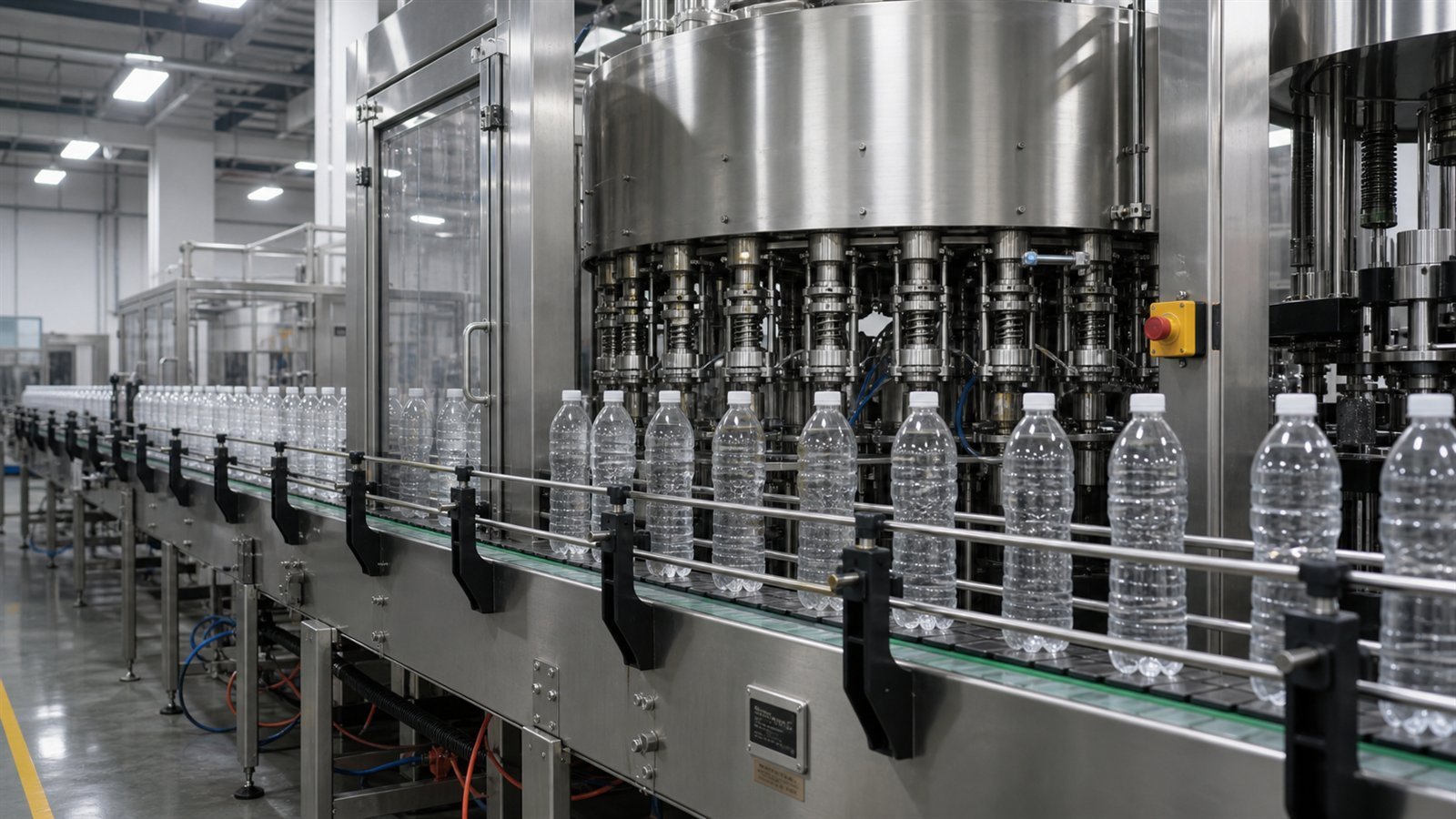
Plan the product path before selecting isolated machines
Still flavored water, vitamin water and lightly carbonated water can require different blending, filtration, thermal or hygienic controls. Acid level, preservatives, sensitive ingredients and distribution temperature should be reviewed by the buyer’s product specialist.
A practical equipment scope identifies where ingredients are received, weighed, dissolved and confirmed, how a batch is released, and how the product reaches the filler without contamination or flavor carryover.
Modules to define in the quotation
Each proposal should identify included equipment, options, buyer-supplied items, utility battery limits, controls interfaces and acceptance responsibility.
Ingredient receiving
List flavors, acids, minerals, vitamins, sweeteners and preservatives by physical form and package size. This determines lifting, weighing, dust and storage requirements.
Premix and dosing
Low-dose ingredients may need a controlled premix or metered addition step. State accuracy, operator verification and batch-record expectations.
Blending tanks
Working volume, agitation and recirculation should support the smallest and largest batches without excessive air pickup or product heel.
Product treatment
Filtration, pasteurization, hot filling, ultra-clean or another route should follow the validated formula and shelf-life plan rather than a generic line package.
Multi-flavor changeover
Color and flavor carryover affect tank sequence, pipe routing, CIP recipe and scheduling. A written SKU matrix is needed before shared equipment is confirmed.
Packaging interface
Bottle material, closure, label and secondary pack must suit the selected filling temperature, product sensitivity and distribution conditions.
Information that changes the line configuration
Use one structured data set for every supplier so quotations can be compared on the same product, package, capacity and factory duty.
| Decision area | What the buyer should provide | Engineering impact |
|---|---|---|
| Formula family | Ingredient list, acidity, soluble solids, carbonation and sensitive components. | Defines the process and hygiene route. |
| Batch plan | Minimum and maximum batch, batches per shift and SKU sequence. | Defines tanks, dosing range and cleaning schedule. |
| Shelf-life route | Cold chain or ambient distribution and validated product treatment. | Defines thermal treatment and filling environment. |
| Package | Bottle or can drawings, closure, label and pack material. | Defines handling and downstream modules. |
| Utilities | Water, heat, cooling, air, power and drainage conditions. | Defines utility equipment and recovery options. |
| Traceability | Ingredient confirmation, batch records, sampling and release process. | Defines automation and quality-control scope. |
Resolve these questions before freezing the equipment list
Still versus carbonated
Carbonation adds chilling, pressure transfer and counter-pressure filling. Quote both modes separately when the launch plan is not final.
Manual versus automated dosing
Choose from ingredient risk, batch frequency, package weight, accuracy, labor and traceability rather than automation preference alone.
Shared water line equipment
Existing water treatment and packaging modules may be reusable, but open-product equipment, cleaning and product routing need a separate review.
Launch flexibility
Reserve reasonable connection points and control capacity for future flavors without buying unconfirmed process equipment.
Send these project inputs
- Formula families and ingredient packaging
- Still or carbonated product list
- Validated shelf-life and filling route
- Batch sizes and production schedule
- Container and pack drawings
- Target output by SKU
- Factory utilities and process-room space
- Cleaning, traceability and acceptance needs
Verify these handover points
- Ingredient dosing range verified
- Batch uniformity and sampling points checked
- Product treatment controls demonstrated
- Flavor changeover sequence recorded
- Fill, closure, label and pack results measured
- Recipes, P&IDs and operator instructions delivered
Questions buyers ask before quotation
Can a bottled water line make flavored water?
Some packaging equipment may be reusable, but ingredient handling, blending, product treatment, cleaning and filler suitability must be reviewed.
Does flavored water always need pasteurization?
No universal answer applies. The formula, pH, packaging, hygiene and intended shelf life should be validated by qualified product and food-safety specialists.
How many mixing tanks are needed?
Tank count follows batch time, filler demand, sampling, cleaning, product sequence and operating schedule, not only hourly output.
What details prevent a generic quotation?
Provide formula families, batch plan, package drawings, output, treatment route, utilities, factory layout and traceability expectations.
Related equipment and buyer resources
Turn product and factory data into a comparable line scope
Send beverage type, validated process, container drawings, saleable output, utilities, factory dimensions, destination, budget range and purchase timeline.