 China Beverage Machinery
LanguageEnglish
Ingredient and Recipe Preparation
Beverage Syrup Room and Mixing System Planning
A syrup room prepares the liquid base used for carbonated drinks, juice drinks, tea and other formulated beverages. The design must match ingredient packaging, batch size, recipe sequence, dosing method, hygiene needs and the demand of the downstream process.
What this equipment must do inside a complete line
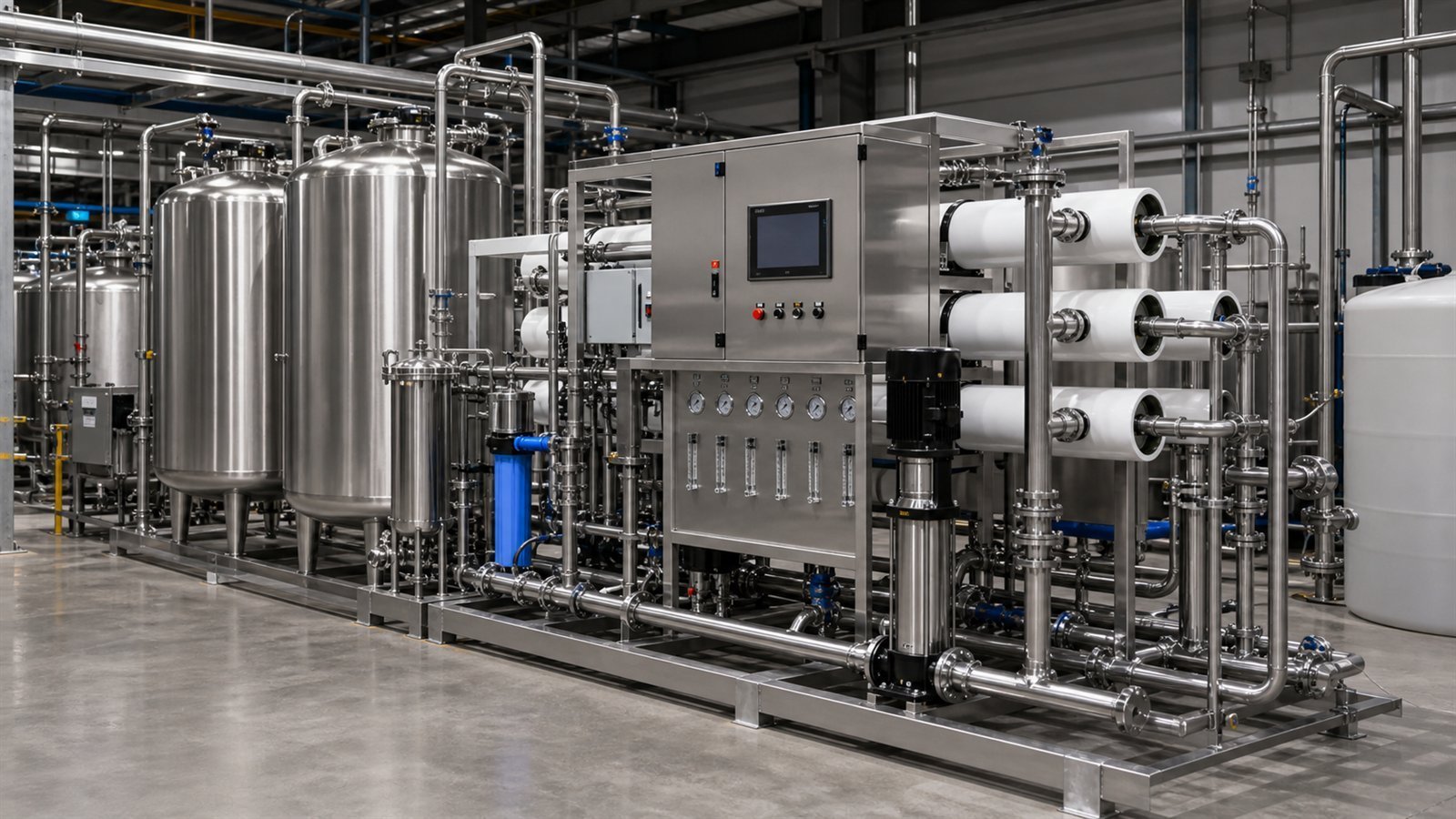
The room can include sugar receiving, dissolving, filtration, simple-syrup storage, concentrate and minor-ingredient dosing, final blending, product storage, transfer pumps, valve routing and CIP connections.
A useful RFQ states how ingredients arrive and how operators handle them. A project using bagged sugar and manually weighed powders requires different access, dust control and labor planning from a project using bulk liquid sugar and automated dosing.
Manual ingredient handling
Suitable only when batch frequency, package weight, ergonomics, traceability and operator workload have been reviewed.
Semi-automatic dosing
Can combine manual verification with metered water, liquid ingredients and controlled transfer sequences.
Recipe-controlled system
Uses defined ingredient confirmation, dosing permissives, batch records and valve routing for repeatable multi-SKU operation.
Modules and interfaces to define before quotation
A useful proposal should state what is included, what is optional and where another supplier or the buyer takes responsibility.
Sugar dissolving
Confirm sugar form, package size, dissolution temperature, batch mass, filtration and transfer. Heating method and operator loading access are part of the scope.
Minor ingredients
Powders, acids, colors and flavors need a documented addition sequence, weighing method, container rinse strategy and traceability requirement.
Liquid concentrate dosing
Pump and meter selection depends on viscosity, container type, dosing range, compatibility and cleaning method.
Final mixing
Tank geometry, agitation and recirculation should support the confirmed recipe without unnecessary aeration, foaming or product hold-up.
Sampling and release
Define sample points, laboratory checks, batch approval and what happens when a batch is outside target.
Recipe and batch records
State whether the HMI only guides the operator or must record ingredient confirmations, actual values, alarms and batch identity.
Information that changes equipment selection
Send engineering inputs in a structured format so suppliers compare the same duty instead of quoting different assumptions.
| Decision area | What to provide | Why it matters |
|---|---|---|
| Ingredient list | Every ingredient, physical form, package size and storage condition. | Defines receiving, lifting, dosing and segregation. |
| Batch range | Minimum, normal and maximum batch sizes for each recipe. | Defines tank working range and dosing turndown. |
| Recipe sequence | Order of addition, mixing time, temperature and sampling points. | Defines automation and operator instructions. |
| Production schedule | Batches per shift, SKU order and cleaning frequency. | Defines parallel tanks, buffer and labor demand. |
| Traceability | Lot recording, manual confirmation, barcode or automatic reporting. | Defines controls and data scope. |
| CIP boundary | Tanks, pipes, filters, pumps, meters and return path. | Defines hygienic routing and changeover time. |
Decisions buyers should resolve with the supplier
Minimum batch is as important as maximum batch
Large tanks may mix poorly or produce excessive heel at small batch sizes. State the real operating range for every recipe.
Automation does not remove ingredient errors by itself
Recipe permissions, identity checks, operator prompts and physical connection control must be designed together.
Shared tanks need a sequence plan
Color, flavor, allergen and product compatibility affect scheduling, rinsing, CIP and the need for dedicated equipment.
The syrup room must match filler demand
Batch preparation, laboratory release and transfer should be scheduled so the filler is not starved and product is not held longer than intended.
Send these RFQ inputs
- Ingredient list with physical form and package weight
- Minimum and maximum batch size by recipe
- Required batches per shift and SKU sequence
- Dosing accuracy and verification requirements
- Heating, cooling and utility availability
- Traceability and batch-reporting expectations
- Cleaning chemistry and product segregation rules
- Room dimensions, floor loading and drainage
Verify these points before handover
- Water and ingredient dosing checked across the operating range
- Mixing sequence and operator permissions demonstrated
- Filter access, drainability and product recovery reviewed
- Valve routes tested against incorrect transfer conditions
- Batch report and alarm history confirmed where included
- Cleaning circuits and manual cleaning points documented
Keep the proposal comparable
Ask every supplier to identify equipment scope, utilities, buyer-supplied items, reference packages, controls interfaces, documentation, training, spare parts, installation boundary and acceptance method.
Final configuration depends on confirmed product, container, output, factory and regulatory requirements.
Frequently asked questions
What equipment is normally in a beverage syrup room?
The scope may include sugar dissolving tanks, filters, syrup storage, ingredient dosing, final mixing tanks, pumps, valves, meters, sampling points, controls and CIP connections.
How many mixing tanks are needed?
Tank count depends on batch size, preparation time, laboratory release, filler demand, product sequence, cleaning time and required production continuity.
Can powders and liquid concentrates use the same dosing system?
They normally require different receiving and dosing methods. The design should account for package type, viscosity, dust, dissolution, accuracy and cleaning.
What should be included in the automation scope?
Define recipe selection, ingredient confirmation, dosing permissives, valve routing, actual-value recording, alarms, batch reports and user access levels.
Continue building the complete line scope
Send product, package, capacity and factory information
Include beverage type, container drawings, target saleable output, utilities, factory dimensions, destination country and purchase timeline. We will organize the equipment scope for quotation.