 China Beverage Machinery
LanguageEnglish
Energy Beverage Solution
Energy Drink Production Line for Cans and PET Bottles
Energy drinks combine high-value minor ingredients with demanding flavor, color and package requirements. A complete line should connect controlled dosing and batch records to still or carbonated processing, container-specific filling and reliable multipack handling.
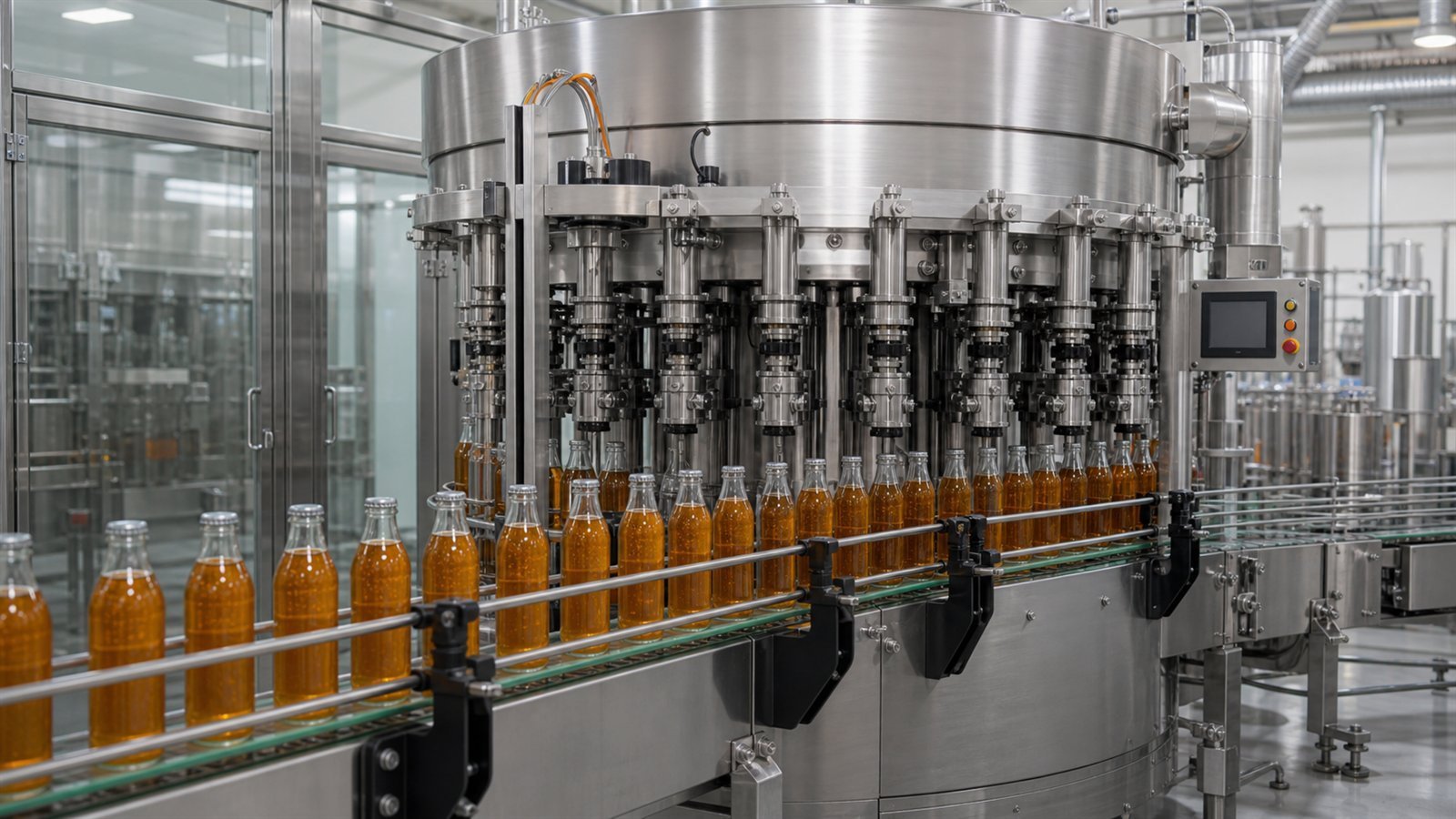
Plan the product path before selecting isolated machines
The equipment supplier should implement a process defined by the buyer’s technologist, not invent formulation or nutrition claims. Ingredient identity, solubility, addition sequence and heat sensitivity affect the premix and treatment route.
Many projects start with slim cans, standard cans or small PET bottles and later add formats. The RFQ should distinguish confirmed launch SKUs from future options so change parts, seamer tooling, cap handling and packing scope remain comparable.
Modules to define in the quotation
Each proposal should identify included equipment, options, buyer-supplied items, utility battery limits, controls interfaces and acceptance responsibility.
Controlled minor dosing
Document ingredient package size, dosing range, tolerance, operator verification and lot recording for vitamins, caffeine sources, acids, colors and flavors.
Syrup and final blending
Define batch sequence, dissolution temperature, agitation, sampling and release. Small additions should be dispersed without creating excessive foam or undissolved material.
Still or carbonated route
A carbonated recipe needs deaeration, chilling, carbonation and pressure filling. A still recipe may use another hygienic or thermal route.
Can or PET filling
Provide package drawings and confirmed product conditions. Cans require seaming and seam inspection; PET requires closure, bottle pressure and label review.
Coding and traceability
Batch identity, ingredient lots, production date and pack coding should connect to the buyer’s release and recall procedure.
Multipack handling
Tray, film, carton and variety-pack requirements change accumulation, lane formation and changeover work downstream of the filler.
Information that changes the line configuration
Use one structured data set for every supplier so quotations can be compared on the same product, package, capacity and factory duty.
| Decision area | What the buyer should provide | Engineering impact |
|---|---|---|
| Recipe matrix | Still or carbonated families, acidity, solids, color and heat-sensitive ingredients. | Defines processing and cleaning routes. |
| Ingredient control | Package size, dosing range, tolerance and traceability needs. | Defines premix, scales, meters and automation. |
| Container | Can or PET drawings, can end or cap, label and pack format. | Defines filling, closure and handling. |
| Capacity | Saleable output by SKU and expected flavor schedule. | Defines line balance and changeover assumptions. |
| Factory | Process room, warehouse, utility and finished-goods conditions. | Defines layout and battery limits. |
| Acceptance | Representative materials, run duration, seam or torque checks and reject recording. | Makes performance testing measurable. |
Resolve these questions before freezing the equipment list
Can versus PET launch
Compare package availability, brand format, carbonation, closure, labeling, secondary packing and local distribution before buying shared equipment.
One filler for several recipes
Compatibility depends on carbonation, viscosity, filling temperature, sanitation and package. Use a written product-package matrix.
Manual ingredient verification
Manual handling can be practical at low batch frequency, but identity, ergonomics, accuracy and lot records still need a controlled method.
Variety packs
Mixed-flavor packs add finished-goods accumulation, collation, coding and inventory complexity that should be scoped separately.
Send these project inputs
- Recipe families and product conditions
- Ingredient list, package sizes and dosing tolerance
- Still or carbonated process route
- Can and PET package drawings
- Output and flavor schedule
- Multipack and variety-pack formats
- Utility and factory information
- Traceability and acceptance requirements
Verify these handover points
- Dosing and batch records checked
- Representative recipe sequence demonstrated
- Carbonation or treatment conditions recorded
- Seam or cap checks completed
- Pack coding and traceability verified
- Changeover parts and procedures handed over
Questions buyers ask before quotation
Can one line fill still and carbonated energy drinks?
Possibly, but the product paths, filling method, sanitation, container and performance targets must be reviewed for both conditions.
What can information is required?
Provide can body and end specifications, dimensions, coatings, suppliers, filling conditions and pack formats. Representative samples are important.
Does the machinery supplier design the formula?
Formula and validated processing should be controlled by qualified product specialists. The equipment proposal should support those confirmed requirements.
What should a can-line acceptance test include?
Include agreed test product, output, fill checks, seam measurements, rejects, stops, coding, pack quality and documentation.
Related equipment and buyer resources
Turn product and factory data into a comparable line scope
Send beverage type, validated process, container drawings, saleable output, utilities, factory dimensions, destination, budget range and purchase timeline.