 China Beverage Machinery
LanguageEnglish
Pallet load containment
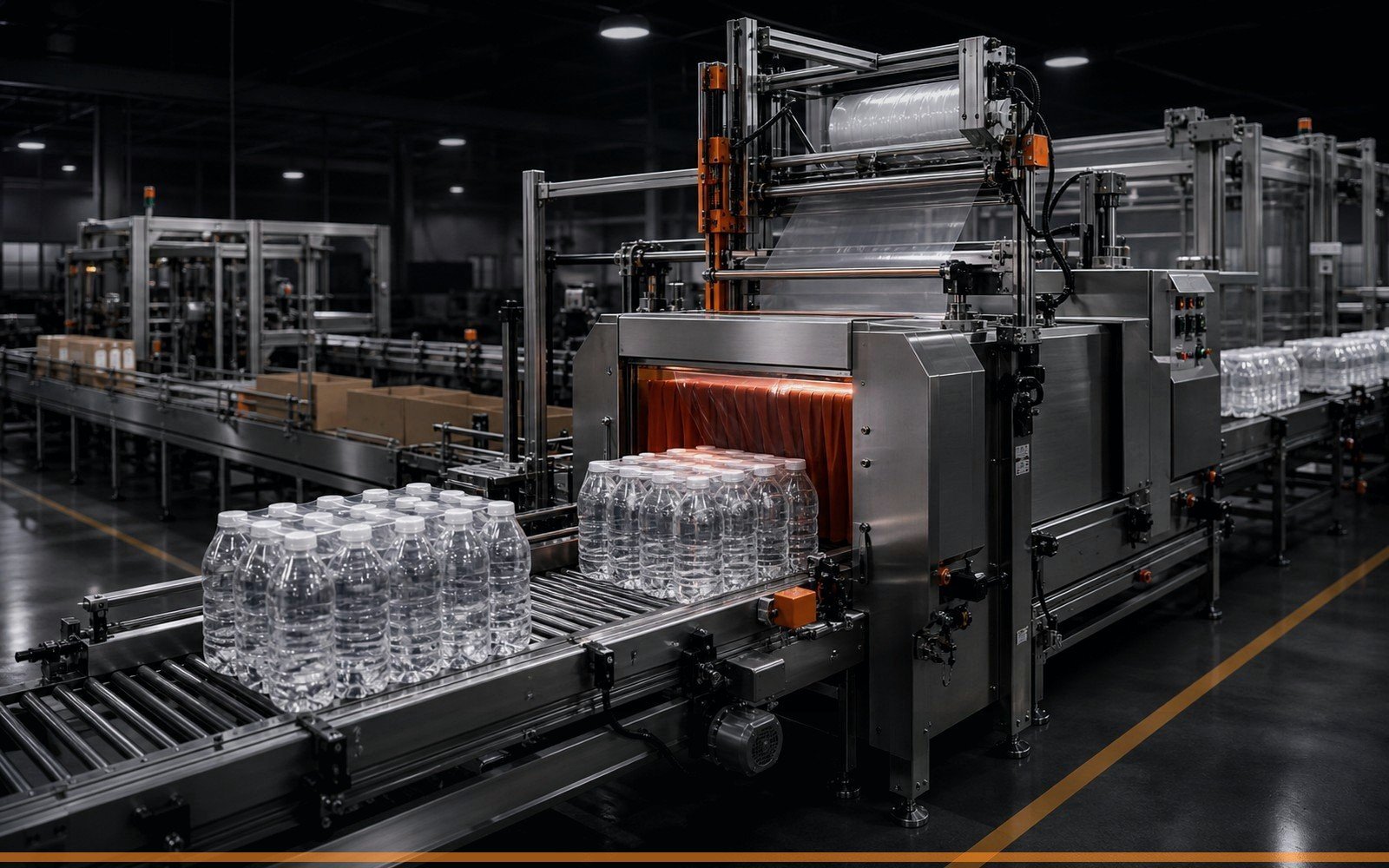
Stretch Wrapping System for Beverage Pallets
Use this buyer guide to set wrapping pattern and film performance from the finished load, transport route and warehouse handling. It translates a broad equipment search into a traceable technical RFQ without pretending that one configuration fits every beverage factory.
Define where the duty starts and ends
Plan stretch wrapping system for beverage pallets around real process duty, interfaces, utilities, risks, RFQ inputs and acceptance evidence.
The practical boundary runs across palletizer discharge through load checking, wrapping, labeling and warehouse transfer. Mark each product, utility, mechanical, electrical, controls, sanitation and documentation handoff. This stops an apparently complete quotation from omitting pumps, tanks, valves, instruments, local connections, access platforms, drain points or software interfaces.
Keep confirmed requirements, supplier assumptions, buyer-supplied work and future options in separate columns. The final equipment choice should follow the validated product and package matrix, required saleable output, production schedule, factory layout and acceptance protocol.
Six questions that materially change the design
Use these questions as a technical comparison sheet. A proposal should explain its basis and limitations, not simply repeat a model number or unsupported performance claim.
Load profile
Provide pallet, pack dimensions, total mass, center of gravity, interlocking, layer pads and known unstable edges.
Ask the supplier to state the calculation basis, operating limit, control response and evidence that will be available at acceptance.
Containment target
Define transport and warehouse conditions, handling events and acceptable movement rather than specifying only wrap turns.
Ask the supplier to state the calculation basis, operating limit, control response and evidence that will be available at acceptance.
Film behavior
Approve gauge, stretch capability, puncture resistance, cling and supplier tolerances under the destination climate.
Ask the supplier to state the calculation basis, operating limit, control response and evidence that will be available at acceptance.
Wrapping pattern
Develop top, middle and bottom reinforcement from the load, turntable or rotary-arm architecture and film delivery control.
Ask the supplier to state the calculation basis, operating limit, control response and evidence that will be available at acceptance.
Line integration
Coordinate pallet spacing, centering, conveyor zones, label application, bypass and recovery after a stop.
Ask the supplier to state the calculation basis, operating limit, control response and evidence that will be available at acceptance.
Verification
Use transport simulation or an agreed load-stability protocol with production film and representative finished packs.
Ask the supplier to state the calculation basis, operating limit, control response and evidence that will be available at acceptance.
Common specification gaps to close before purchase
These gaps often appear when the module is purchased separately from the complete production line. Resolve them while drawings and controls can still be coordinated.
Information to send every shortlisted supplier
Provide one revision-controlled project basis. Unknown information should remain a visible assumption, option or action with an owner and due date.
| RFQ block | Buyer input | Supplier response expected |
|---|---|---|
| Product and package | Specifications, drawings, samples, temperatures and acceptable ranges | Applicable equipment, contact materials, limitations and required trials |
| Production duty | Saleable output by SKU, batch, shift, changeover and cleaning schedule | Normal and peak duty, turndown, recovery and line-balance assumptions |
| Factory and utilities | Dimensioned layout, elevations, routes, water, power, air, heat, cooling and drainage | Connection schedule, consumption basis, access and local-work boundary |
| Controls and data | Signals, recipes, records, reports, network and user requirements | I/O boundary, failure response, backups, access and cybersecurity responsibility |
| Acceptance | Test materials, duration, checks, pass criteria and document language | FAT/SAT procedure, exclusions, deviations and final handover package |
Verify the design with records, not presentation slides
Agree what can be demonstrated at the supplier factory and what requires the installed line. Record unavailable product or packaging during FAT and carry the open item into SAT instead of treating a simulation as final proof.
- Representative pallet-load data
- Approved film specification
- Pattern and pre-stretch settings
- Loaded throughput trial
- Containment or transport test
- Recipe, safety and maintenance handover
Also require approved general arrangement and interface drawings, electrical documents, operating parameters, PLC and HMI backups where supplied, manuals, preventive-maintenance tasks, spare-parts data, training records and a closed punch list. Final acceptance should use the same definitions of good output, reject, downtime and product quality that were agreed in the RFQ.
Frequently asked questions
How should stretch wrapping system for beverage pallets be specified?
Start with the confirmed operating duty and the full interface across palletizer discharge through load checking, wrapping, labeling and warehouse transfer. Record the normal range, credible extremes, cleaning condition, available utilities and acceptance method rather than selecting from one nominal catalog value.
What should be included in a comparable quotation?
Request tagged equipment, instruments, local piping and wiring, controls, access, guards, utility connections, documentation, commissioning parts and explicitly listed exclusions. Ask each supplier to use the same project basis.
Can the final design be selected from this guide alone?
No. This page organizes buyer questions and RFQ evidence. Final engineering depends on confirmed product, package, capacity, site conditions, local requirements and supplier calculations.
What should be verified before handover?
Use an agreed FAT and SAT plan that demonstrates the operating envelope, interface response, alarms, cleaning or changeover duties and document package for set wrapping pattern and film performance from the finished load, transport route and warehouse handling.
Continue from equipment detail to complete-line scope
Turn this requirement into a comparable equipment scope
Send the beverage, container, output by SKU, factory drawing, utilities, destination, budget range, timeline and acceptance expectations. We will organize the open interfaces before quotation.