 China Beverage Machinery
LanguageEnglish
Sanitary cleaning support
CIP Cleaning System for Beverage Lines: Equipment and Scope
A clean-in-place (CIP) system circulates specified cleaning media through defined equipment circuits without routinely dismantling those circuits. For a beverage line, selection starts with the equipment to be cleaned, its return path and the available cleaning window. Tank count alone does not define the system.
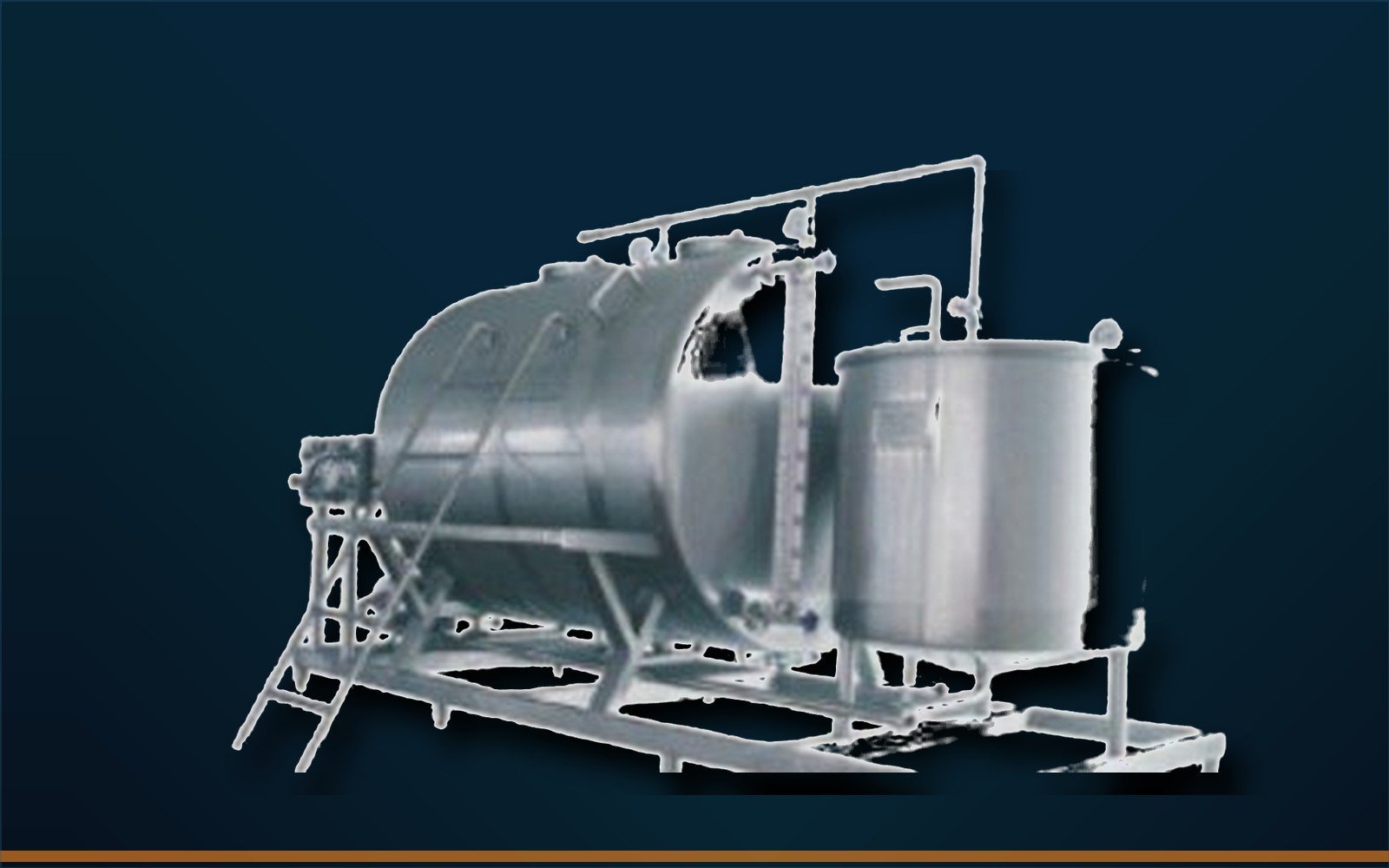
What equipment belongs in a beverage CIP system?
A useful quotation identifies how cleaning media are prepared, delivered, measured, returned and recovered or discharged. It also names the equipment and surfaces that are outside the CIP scope. External machine surfaces, removable parts or dry-ingredient handling may need separate cleaning methods.
| System element | Duty to define | Ask the supplier to identify |
|---|---|---|
| Media tanks and dosing | Water and cleaning-media supply, storage and any recovery arrangement. | Usable volumes, compatible materials, dosing boundary, level protection and separation between media. |
| Supply pump and heating | Deliver the required conditions at each selected cleaning circuit. | The design duty and utility assumptions, including the route and equipment restrictions used in the calculation. |
| Return system | Bring media back under the intended operating conditions. | Gravity or pumped return, return capacity, air handling, low-return response and the tank entry point. |
| Valves and connections | Select the intended path and isolate production from cleaning. | A circuit drawing, valve states, connection responsibility and interlock test plan. |
| Measurement and records | Show whether the defined cleaning conditions were achieved. | Instrument locations, calibration, alarms, records and the procedure for a failed or interrupted cycle. |
| Recovery and discharge | Route usable media and waste according to the approved program. | Recovery criteria, separate paths where needed, water and wastewater interfaces, and operator responsibilities. |
Agree the cleaning program with the plant’s responsible hygiene team and chemical/equipment specialists. This page does not prescribe chemical concentration, cleaning temperature or contact time. Those conditions depend on product residue, materials, water, circuit geometry and validated cleaning requirements.
Central, dedicated or portable CIP: which arrangement fits?
| Arrangement | When to review it | Constraint to resolve |
|---|---|---|
| Central station serving multiple circuits | Several compatible process areas need coordinated cleaning and media handling. | Long routes, shared utilities, production conflicts, return management and the permitted number of simultaneous circuits. |
| Dedicated or satellite station | One area needs its own schedule, hygiene separation or shorter connections. | Additional equipment and service access, plus responsibility for supplying and recovering media. |
| Portable or manually connected unit | A limited duty has suitable access and a controlled connection procedure. | Hose and connection identification, operator workload, routing checks and traceable completion records. |
| Integrated cleaning provision | A process machine includes some cleaning functions within its package. | Whether it only receives external CIP media or includes preparation, heating, return and control equipment. |
These are planning arrangements, not fixed product models or capacity bands. A compact system is not automatically suitable for a small factory, and a central station is not automatically the lowest-cost solution. Compare the cleaning duties and operating constraints first.
What happens during a CIP cycle?
A project-specific cycle can include product recovery or removal, preliminary rinsing, circulation of the approved cleaning media, intermediate or final rinsing, and any separately defined sanitizing step. The approved sequence may differ by product and circuit; not every circuit needs every possible step.
Cleaning, sanitizing and sterilizing are distinct process objectives. An equipment list or a completed PLC sequence does not establish that a hygiene objective has been met. Ask the responsible team to define the verification method and release criteria alongside the mechanical and control design.
The record should show the actual route, recipe revision, relevant measurements, alarms and result. If a cycle is interrupted, the operator should have a defined recovery procedure rather than assuming that the final step alone releases the circuit for production.
Make the quotation boundary visible
| Boundary | CIP supplier proposal | Buyer or other-party confirmation |
|---|---|---|
| Equipment being cleaned | Named circuit list, included connections and operating conditions. | Current drawings, equipment restrictions, non-CIP items and hygiene responsibilities. |
| Utilities | Required supply conditions, demand basis and connection points. | Available water, heat, power, air and their limits during simultaneous use. |
| Installation | Skid placement, local piping, wiring, insulation and control integration included in the offer. | Building, access, drainage, remaining site work and permitted shutdown window. |
| Program and release | Control sequence, records, instrument list and test support within scope. | Approved cleaning requirements and responsibility for residue or microbiological validation. |
| Handover | Drawings, settings, manuals, training and agreed spare parts. | Named reviewers, open deviations, retest process and final acceptance record. |
For a shared process room and filler, identify both parties’ interfaces. The phrase CIP ready may mean only that a machine has suitable connections; it does not establish that a cleaning station, return pump or validation work is included.
The minimum brief for a CIP quotation
- A tagged list of tanks, pipelines, heaters, mixers and filling equipment to be cleaned, with supply and return endpoints.
- Product families, residue characteristics, cleaning frequency, changeovers and any required separation between product groups.
- Pipe dimensions, route length and elevation, equipment restrictions and tank-cleaning-device information where available.
- The allowed cleaning window, simultaneous cleaning requirements and any equipment that must continue producing.
- Available utilities, drainage and media-handling constraints, plus the requested recovery approach.
- Who approves cleaning programs, performs validation, reviews records and releases the equipment for production.
Use the CIP circuit worksheet and scheduling example to prepare these inputs. If a drawing or cleaning basis is missing, list it as an open item with an owner.
What should be demonstrated before handover?
Separate mechanical and control checks from validation of cleaning effectiveness. Factory testing can check signals, valve paths, alarms, recipe permissions and records under an agreed test plan. Installed-site checks then confirm the actual connections, supply and return behavior and utility conditions.
Ask for a record of the agreed scenarios, including wrong-path prevention, missing return, interrupted cleaning and power recovery where applicable. The relevant specialists must define how cleaning effectiveness will be verified for the real product and equipment. A successful water circulation test is useful evidence of circulation, not proof of every hygiene outcome.
Retain the final circuit drawings, approved program revisions, instrument records, training materials and an agreed list of outstanding actions. Changes to a pipeline, product family or cleaning device should trigger a review of the affected circuit.
Frequently asked questions
Is a three-tank CIP system enough for a beverage plant?
Tank count is not sufficient to decide. The required media, recovery strategy, hygiene separation, circuit duties and cleaning schedule determine the arrangement. Compare the complete circuit and equipment scope.
Can the same CIP station serve mixing tanks and a filler?
Potentially, if their cleaning conditions, return paths, operating schedules and hygiene requirements are compatible. Define the interfaces with both equipment suppliers and validate the intended routes.
Does CIP replace cleaning of every machine surface?
No. CIP applies to the specifically designed and connected circuits. External surfaces, disconnected parts and other excluded items need the cleaning method defined for them.
What affects a CIP system quotation most?
Circuit duties, simultaneous use, supply and return arrangements, heating, media recovery, automation, site integration and validation support can all change the scope. Ask suppliers to quote the same documented basis.
Technical references and evidence scope
- Tetra Pak: cleaning-in-place equipment — Background on the variables controlled during cleaning.
- KHS: Innopro CIP system — Industry example of dedicated process and filling-line cleaning equipment; no KHS specifications are claimed for our quotations.
These sources provide general industry context. They do not identify a partnership, certify our equipment or establish the specifications of a future quotation. The decision tables and labeled planning examples on this page are buyer preparation aids.
Continue the same project brief
- Prepare the circuit data sheet
- Utility planning
- Factory layout and access
- Processing system interfaces
- Syrup room and mixing
- Juice and tea filling line
- Installation and commissioning planning
- Complete line supply boundary
Published by Allot Tech (Suzhou) Co., Ltd., operator of China Beverage Machinery. Content updated 29 September 2026.