 China Beverage Machinery
LanguageEnglish
Buyer resource
Water, Juice and Carbonated Filling Line Comparison
Water, juice and carbonated beverages need different process decisions before a filling line can be compared. Separate how the product is treated, how it enters the container and how the package is closed; a shared bottle size or dosing method does not make the complete processes interchangeable.
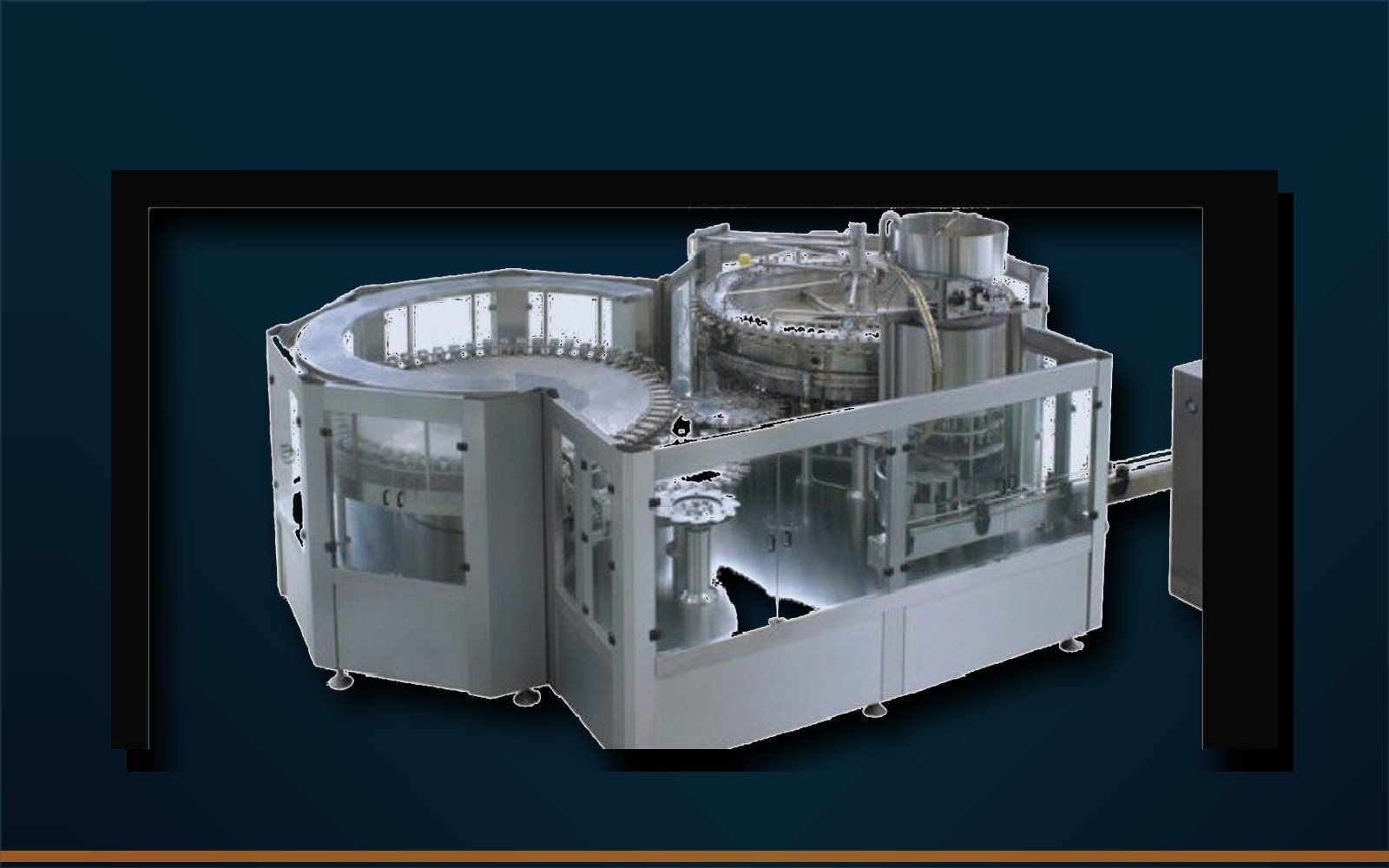
Compare the complete production route
| Decision | Still bottled water | Juice or tea | Carbonated beverage |
|---|---|---|---|
| Upstream basis | Source-water analysis and the required finished-water specification. | Recipe, ingredients, solids or pulp, and the validated preservation route. | Water/recipe preparation, carbonation and controlled product conditions. |
| Filling requirement | A filling arrangement suited to the approved water and package process. | A route selected for the product: for example a specified hot-fill, refrigerated or aseptic process. | A suitable pressure-filling arrangement with defined temperature, pressure and carbonation conditions. |
| Package approval | Bottle, closure and handling compatibility. | Package response to the selected process, including temperature where relevant. | Pressure-compatible bottle/closure or approved can/end, with the specified closing process. |
| Quality evidence | Water quality, hygiene controls, fill and closure checks. | Validation of the selected preservation process, product quality, fill and closure checks. | Carbonation and filling results, closure/seam checks, plus the product’s preservation requirements. |
These categories describe planning questions, not universal recipes. Juice does not automatically mean hot filling, and carbonation alone does not establish a beverage’s shelf life. The responsible product and process specialists must define the preservation and validation requirements.
Keep treatment, filling environment and dosing distinct
Heat treatment is a product-processing step. Hot filling describes filling under a specified temperature regime. Aseptic production requires a coordinated validated system for the product, package and filling environment. A machine marketed as hygienic or as a 3-in-1 rinser/filler/capper does not by itself demonstrate aseptic capability.
Gravity, pressure and other filling arrangements describe aspects of product transfer. Flow measurement, weighing or level control describe how the quantity is controlled. A flowmeter-equipped filler is not automatically suitable for every product; viscosity, particles, foaming, package geometry, process temperature and cleaning still need review.
| Proposal wording | Question that makes it comparable |
|---|---|
| Suitable for juice | Which recipe, solids, particle range, viscosity, treatment and filling conditions are included? |
| Hot-fill compatible | Which approved product process, package, closure and temperature conditions are covered? |
| Carbonated filling | Which product conditions, carbonation target, package and accepted output are guaranteed for the test? |
| Multi-product machine | Which combinations are approved, what changes between them, and which remain outside scope? |
Compare offers under the same production conditions
A quotation at 10,000 bottles per hour on 500 mL still water and another at 10,000 bottles per hour on a carbonated product are not directly comparable without the test conditions. Request the same approved SKU list, accepted-output definition, test duration and reject criteria from each supplier.
Use liters per hour to check upstream processing demand, containers per minute for handling, and packs per minute for final packing. Ask which machine limits the line for each SKU and how stops and restarts affect coordinated output. Identify all losses already included in the production estimate.
Before requesting a proposal, assemble the recipe/process brief, package drawings, required output per SKU, operating schedule, site utilities and destination. Then compare the complete supply boundary: processing, filling/closing, inspection, decoration, packing, installation and acceptance responsibilities.
Frequently asked questions
Can one filling machine handle water, juice and carbonated drinks?
Possibly for a specifically engineered and tested set of products, but it should not be assumed. Require a product/package matrix, process-compatibility review and documented changes and acceptance conditions for each combination.
Does all juice need hot filling?
No. The appropriate preservation and filling route depends on the product, package, distribution conditions and validated process. Select that route before choosing the filler.
Does a 3-in-1 machine include product treatment?
The label commonly refers to three container-handling operations such as rinsing, filling and capping. The quotation must separately identify water treatment, mixing, heat treatment or carbonation where required.
Continue your project planning
Planning guide from Allot Tech (Suzhou) Co., Ltd. Updated 14 September 2026.