 China Beverage Machinery
LanguageEnglish
Complete project planning
Turnkey Beverage Production Line: Equipment and Delivery
A turnkey beverage production line should have a defined start point, finished-pack output and delivery responsibility for every interface. Use one coordinated equipment and implementation scope to connect processing, container supply, filling, packing and the factory services they need.
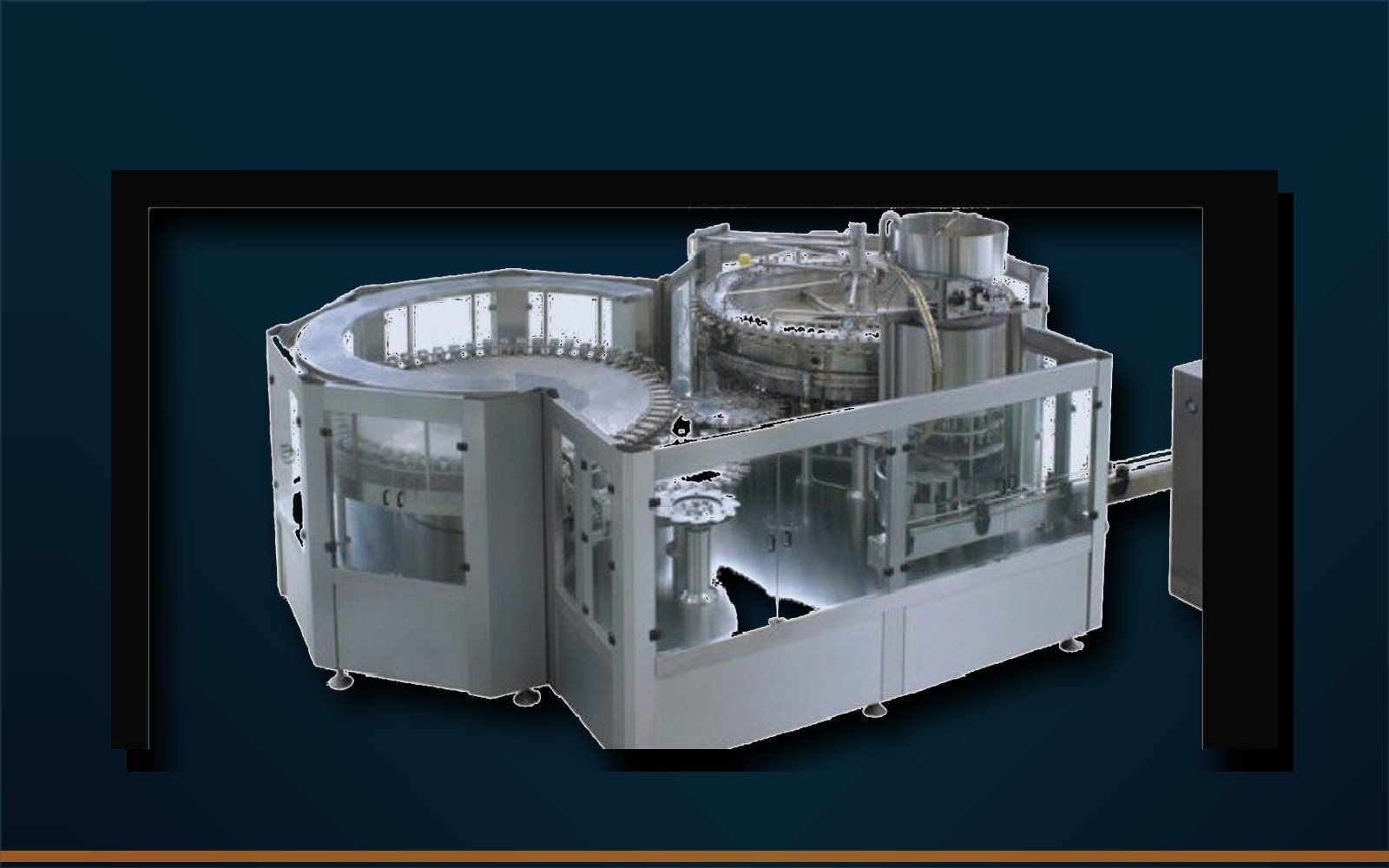
Define what the complete line will deliver
Start with a product and package matrix and a process boundary. For example, a PET still-water project might start at an agreed source-water connection and preform receiving point and end at an identified finished-pack transfer. Ingredient handling, pallets, building work and utility generation must be individually included, excluded or assigned to the buyer.
| Project arrangement | Main selection issue | Evidence needed before scope approval |
|---|---|---|
| New factory | Equipment and site services can be planned together, but building and logistics scope still need owners. | Process flow, layout, utility schedule and supply/installation responsibility matrix. |
| Line expansion | Retained modules must support the new output and operating conditions. | Measured existing performance, drawings, available utility capacity and an interface test plan. |
| Phased installation | Production continuity and temporary connections constrain the sequence. | Shutdown window, temporary operating plan and acceptance criteria for each phase. |
| Several products or packages | Flexibility requires defined change parts, cleaning and process compatibility. | Approved SKU matrix, changeover scope and output conditions for each combination. |
Allot Tech (Suzhou) Co., Ltd. supports equipment sourcing, configuration planning, quotation coordination and export project communication. The project proposal should name the manufacturers, integrator and service parties for the agreed scope; it should not rely on the word turnkey to imply unlisted capabilities.
Assign both supply and installation responsibility
| Interface | Supply question | Installation and acceptance question |
|---|---|---|
| Product piping | Who supplies pipework, valves, instruments and cleaning connections between modules? | Who installs, checks and documents the complete circuit? |
| Conveying and controls | Which conveyors, accumulation and stop/run signals are included? | Who integrates new and retained equipment and demonstrates line recovery? |
| Utilities | Who supplies compressors, cooling, water preparation and electrical distribution? | At which connection point, condition and available capacity does responsibility transfer? |
| Building and access | Who provides foundations, drains, openings, platforms or other site work? | Who verifies readiness and the equipment delivery/removal route? |
| Testing and training | Who provides production materials, instruments, operators and training documents? | Who records the results and closes deviations before the agreed handover? |
Give each responsibility an owner and a deliverable. “Buyer supplied” still needs an interface specification; “included” still needs a quantity, model or function and an installation boundary. Keep unresolved items visibly open instead of silently treating them as included.
Use reviewable project stages
| Stage | Deliverable to review | Decision it supports |
|---|---|---|
| Requirements | Product/package matrix, saleable output, operating schedule and site constraints. | Whether proposals are based on the same project. |
| Configuration | Process flow, equipment list, layout and utility schedule with deviations. | Which configuration and exclusions to carry into the agreed scope. |
| Factory acceptance | Test plan, material references, measurements and open-item record. | Which functions were demonstrated and what remains for the site. |
| Site readiness and installation | Readiness checks, delivery route, utility conditions and connection records. | Whether installation and commissioning can proceed on the agreed basis. |
| Site acceptance and handover | Coordinated production test, training record, documents and resolved/open items. | Whether the installed scope meets the agreed acceptance conditions. |
The sequence should match the actual project. Confirm responsibilities and prerequisites before promising dates; shipping time alone does not describe the time to accepted production.
Set a whole-line performance basis
Specify accepted finished containers or packs at a named SKU, operating condition and measurement point. Distinguish a short single-machine demonstration from a coordinated line run. Define test duration, quality criteria, stop/restart checks and the losses already included in the output commitment.
If the filler has adequate speed but the packer cannot sustain the required pattern, the complete project has not achieved its output objective. Review upstream supply, accumulation, inspection rejection and downstream recovery together. For an expansion, identify the retained machine that limits the upgraded line and the evidence used to assess it.
Changes after approval should show their effects on tooling, utilities, layout, documents, testing and delivery. Keep drawing and equipment-list revisions connected so a new SKU is not added informally without the required interface review.
Compare the installed project and operating support
Separate machine supply from site works, interconnecting services, transport scope, installation, test materials, training and spares. Compare operating resource requirements under stated conditions, rather than treating connected motor power as an energy-consumption figure.
- Request the approved equipment and component list, drawings, operation/maintenance instructions and format settings.
- Identify agreed software backups, access arrangements and recovery instructions without assuming unrestricted vendor access.
- Record spare and wear-part references, ordering information and maintenance responsibilities.
- List service channels, included work, exclusions and any offered response commitments in writing.
- Link the quotation to the final acceptance record and unresolved-item list.
Use the equipment-list guide to prepare a structured supply brief and the responsibility-matrix guide to assign the remaining interfaces.
Frequently asked questions
Does turnkey include factory construction and all utilities?
Only if those items are explicitly included. Define building work, utility generation, distribution, connection points, installation and local responsibilities separately in the agreed scope.
Can a turnkey project retain existing machinery?
Yes, where compatibility and performance are established. Record retained equipment condition, measured capacity, controls, utility availability and the integration test responsibility.
What proves that the complete line meets its output target?
An agreed coordinated test using defined product, package, operating conditions, duration and accepted-output criteria, with clear treatment of rejects, stops and unresolved items.
Continue your project planning
Planning guide from Allot Tech (Suzhou) Co., Ltd. Updated 16 September 2026.