 China Beverage Machinery
LanguageEnglish
Buyer resource
Beverage Line RFQ Checklist: Inputs and Supplier Response
A useful beverage line RFQ gives suppliers the same product, package, required output and supply boundary. Start with the minimum brief below, attach the available drawings and ask every supplier to return a structured equipment list and an explicit set of assumptions.
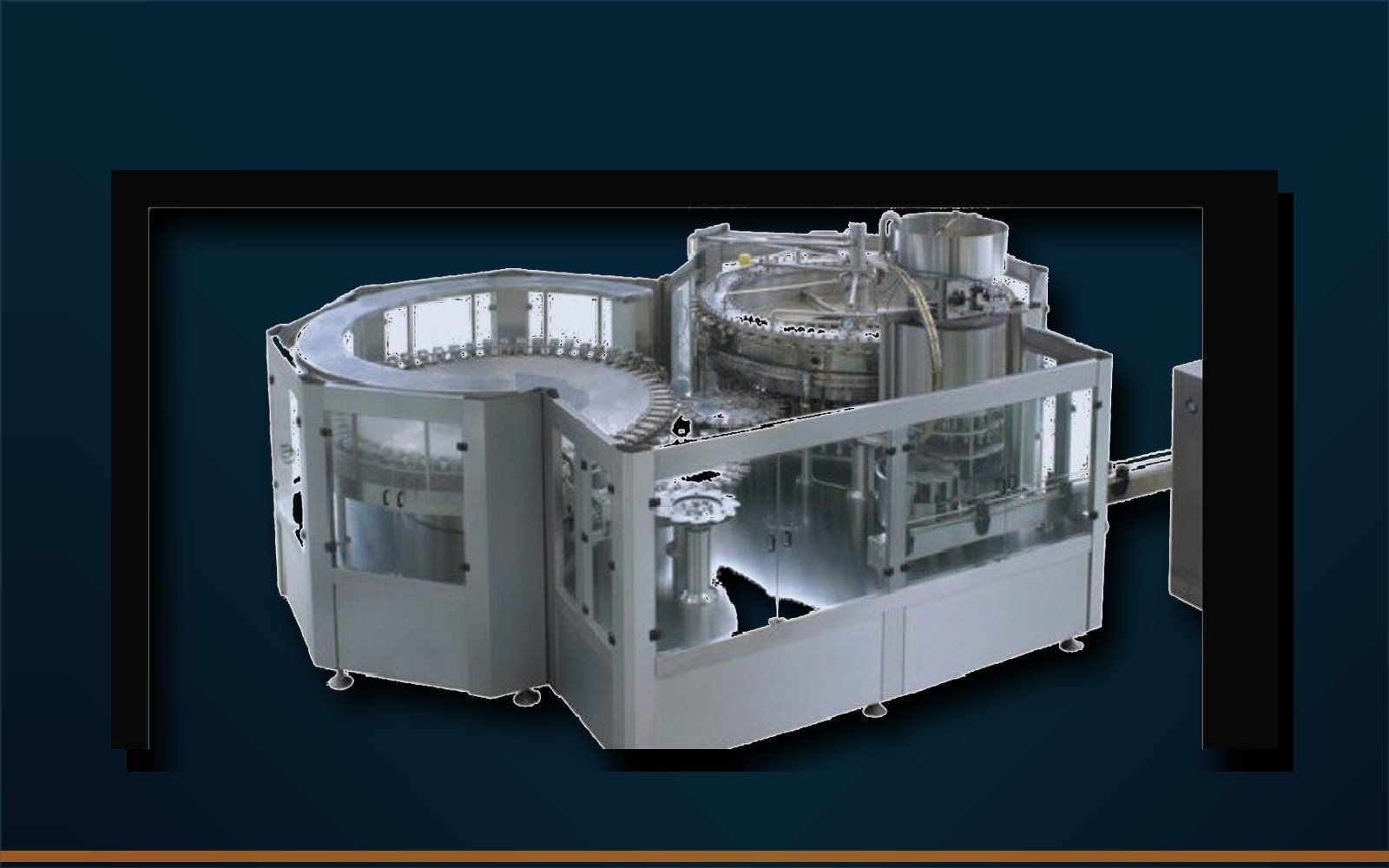
The minimum information for a useful first quotation
| Input | What to provide | If it is not yet confirmed |
|---|---|---|
| Beverage and process | Product family; still or carbonated; relevant ingredients and intended filling/preservation route. | Describe the product and mark the route for technical review. Do not select a filler only by bottle size. |
| Container and closure | Material, volume, bottle/can drawing and closure type for each launch SKU. | Attach reference samples or drawings and identify which dimensions remain provisional. |
| Output | Required accepted containers per hour or per shift, with the production hours and reference SKU. | State the sales/production target and separate assumptions from a machine-speed requirement. |
| Final pack | Label, date code, bottles/cans per pack, pack material and pallet/warehouse handoff. | List alternatives as options so suppliers do not silently choose different end-of-line scope. |
| Project boundary | New line, expansion or replacement; retained equipment and the required start/end points. | Use an equipment scope list and mark each unresolved module. |
| Site and delivery | Destination, available building/utility information and required purchasing or startup window. | Identify missing surveys and distinguish a desired date from a confirmed execution schedule. |
Send the same revision to each bidder. An early RFQ can contain open items; it should not hide them. The supplier should explain which assumptions affect equipment selection, output, price or lead time.
Attach evidence that changes the configuration
| Project condition | Useful attachment | Question it helps resolve |
|---|---|---|
| Water treatment included | Current source-water analysis and product-water requirements | Which treatment duty is actually being priced? |
| Several bottle or closure formats | SKU matrix, controlled drawings and representative samples | Which change parts and trial work belong in the quotation? |
| Existing factory or equipment retained | Dimensioned layout, access restrictions, equipment identification and interface details | What must connect to the new scope, and who adapts it? |
| Thermal or hygienic process | Product/process specification and the responsible process requirements | Which treatment, transfer, cleaning and package conditions must be reviewed? |
| Ready site utilities | Connection schedule and available capacity under operating load | Does the price include utility generation, distribution or only machine connections? |
Share only the information needed for the review and use the agreed business channel for confidential formulas or documents. A product family and relevant physical/process properties may be enough for an initial discussion; detailed requirements can follow through the appropriate controlled exchange.
Require the same supplier response structure
| Response item | What a reviewable answer contains |
|---|---|
| Equipment register | Proposed equipment reference/model where available, quantity, duty, launch formats and named auxiliaries. |
| Scope status | Included, optional, excluded, buyer supplied and unclear items listed separately. |
| Performance basis | Product/package, running condition, accepted-output counting point and proposed test method. |
| Interfaces and utilities | Connection requirements, layout, retained-equipment assumptions and local work. |
| Execution and handover | Schedule assumptions, packing/delivery boundary, installation, testing, training, documents and spares. |
| Commercial response | Currency, quotation revision/validity, priced scope, separate options and stated commercial terms. |
| Deviations and questions | Requirement reference, proposed alternative, consequence and information required from the buyer. |
Ask the supplier to reference your requirement numbers. An alternative can be useful if its scope and consequences are visible. Silence against a requirement should remain a clarification item, not be interpreted as compliance.
Example: clarify a vague capacity request
Vague request: “Please quote a 6,000 BPH beverage line.”
Illustrative improved brief: “Still water in a 500 mL PET bottle with the specified screw cap; purchased empty bottles; 12-bottle shrink packs; target 6,000 accepted bottles per production hour at the agreed finished-pack boundary. Quote rinsing, filling, closing, inspection, labeling, packing and the connecting controls. Mark treatment, air supply and site installation separately. Bottle drawing, factory layout and utility data will follow as identified open items.”
This is a writing example, not a machine recommendation or a performance promise. Another beverage, bottle or production calendar may require a different configuration. Define what “production hour” includes before using the target for acceptance.
Control clarifications and quotation revisions
- Give the brief and each attachment a revision identifier; identify superseded files.
- Issue the same technical change to all suppliers still being compared.
- Record questions with an owner and the response needed, rather than adding untracked email assumptions.
- Require an updated scope and price schedule after a material package, process or boundary change.
- Keep mandatory launch items, priced options and future provisions separate.
After offers arrive, use the quotation comparison worksheet to record the status and evidence for each scope group. It creates a clarification list; it does not approve a supplier or compare prices automatically.
Send the brief at the right level of detail
For an initial configuration discussion, send the minimum brief and the available attachments. For a purchase-ready comparison, close the important package, process, site, responsibility and acceptance questions before treating commercial totals as aligned.
Allot Tech (Suzhou) Co., Ltd. supports beverage equipment sourcing, configuration discussions and quotation coordination. The project inquiry form accepts the core project information. Use the supply-scope builder if the equipment boundary still needs to be assembled.
Frequently asked questions
Can I request a quotation before every detail is fixed?
Yes. State the confirmed inputs and identify open items. Ask the supplier to list its assumptions and explain which missing information could change configuration, price, output or schedule.
Is the RFQ the same as a user requirements specification?
No. The RFQ requests a quotation and a response structure. The user requirements specification describes what the project must achieve. They should refer to the same product, package, site and performance basis.
What should I do when two quotations use different scopes?
Ask both suppliers to respond to the same scope register. Mark options, exclusions, buyer-supplied work and unclear items, then obtain clarification before comparing aligned commercial totals.
Continue your quotation planning
- Prepare the user requirements
- Build the project cost boundary
- Compare returned proposals
- Review complete-line delivery scope
Planning guide from Allot Tech (Suzhou) Co., Ltd. Updated 22 September 2026.