 China Beverage Machinery
LanguageEnglish
Beverage factory engineering guide
Beverage Line Saleable Output and Performance Guarantee
Define beverage line performance around saleable output, product and package matrix, efficiency boundary, quality, rejects, utilities, test duration and exclusions.
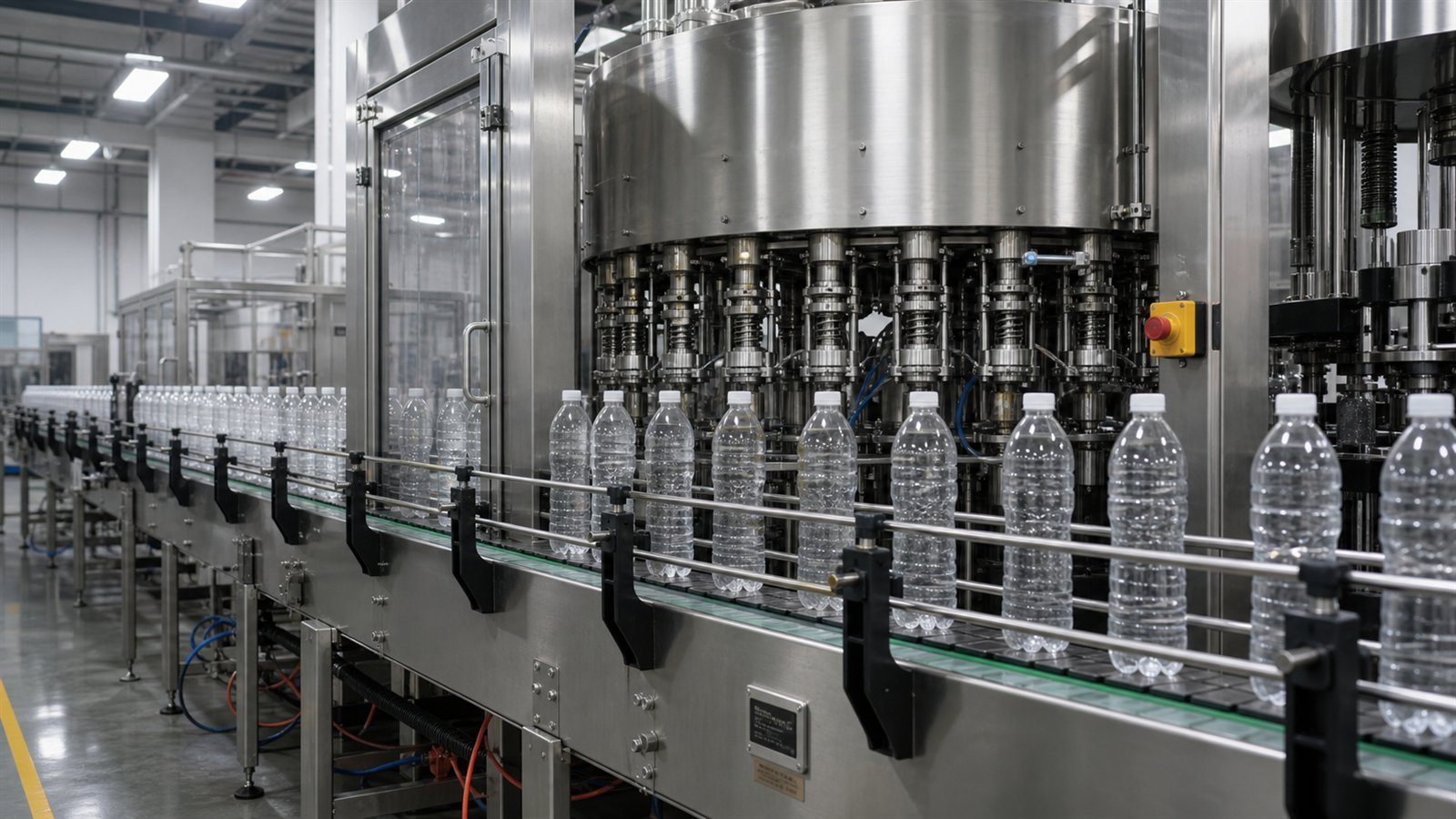
Define the engineering basis before comparing suppliers
Nameplate speed describes a machine under defined conditions; buyers sell conforming packaged beverage from a balanced line. A meaningful performance guarantee therefore connects the tested SKU, incoming materials and utilities, staffed operating mode, line boundary, speed, quality limits, reject definition, accumulation, test duration and treatment of planned or external stops.
This guide helps prepare commercial and technical questions, but contract wording and remedies require qualified legal and project advice. Keep every formula, assumption, exclusion and data source explicit so suppliers quote the same duty and the site can reproduce the acceptance test.
Use this page to prepare a comparable request for quotation and design review. It does not replace product validation, site-specific risk assessment, destination-market compliance, professional engineering or a signed project specification.
The pallet count rose after the trial stopped. Which cases belong to the run?
A pallet label can be printed several minutes after the last case reaches the palletiser. If the acceptance run ends at 11 am, the label time alone cannot tell the buyer which cases crossed the agreed counting point before 11.
Mark the first and last qualifying case
For a trial measured at the case-packer discharge, record the starting counter, the case identifier at the change of format and the closing counter. Note the cases already waiting between the packer and palletiser. Keep their identifiers separate even when the palletiser stacks both formats on the same shift.
Follow the cases through to release
Suppose 240 new-format cases cross the agreed point during the hour. At closing, 228 have been palletised and 12 are still on the transfer conveyor. The physical count reconciles to 240. If quality later places three of those 240 on hold, report 237 released and three pending. Record their final disposition against this same run.
Attach the two counter readings and a list of the cases on hold. This lets purchasing check the output commitment even if the warehouse posts the last pallet the next morning.
Six decisions that shape equipment scope and performance
Each workstream should end with an approved basis, named owner and evidence requirement. Unknowns remain visible assumptions instead of being converted into unsupported claims.
Record the confirmed input, calculation or selection basis, responsible party, required supplier response and evidence that will close this decision before purchase.
Guaranteed product-package duty
Identify the exact SKU or representative matrix, product condition, container, closure, label, pack and approved materials used for each performance commitment.
Line and battery-limit boundary
State included machines, conveyors, buffers, utilities, operators, upstream product supply, downstream warehouse handoff and external stops.
Saleable output definition
Count conforming units at a named point after defined inspections and packaging. Explain startup, format change, cleaning, planned stops, blocked and starved time.
Quality and reject criteria
Agree fill, closure, label, code, pack and other critical checks, sampling, automatic and manual rejects, rework and handling of doubtful product.
Test method and statistics
Specify warm-up, steady-state duration, shifts, repetitions, data source, timestamp, meter verification, allowable interventions and calculation method.
Utilities, environment and remedy
Define required supply quality and variation, ambient and site conditions, buyer obligations, retest rules, open defects and the commercial process for nonconformance.
Make supplier responses comparable
Send the same inputs and questions to every shortlisted supplier. Require deviations, exclusions and buyer-supplied work to be stated beside the relevant line item.
| Decision area | Buyer information | Question to close |
|---|---|---|
| Duty | SKU, materials, speed and operating window | Is the commitment tied to representative production conditions? |
| Output | Good units, counting point and time basis | Can every party calculate the same result from the same records? |
| Quality | Limits, samples, rejects and disposition | Are conforming units distinguished from gross filler discharge? |
| Test | Duration, exclusions, utilities and retest | What happens after interruption or failure? |
Resolve these gaps before procurement
A visible uncertainty can be tested, assigned or priced. A hidden assumption commonly appears later as a change order, delayed startup, failed quality check or disputed acceptance result.
- Calling filler speed the complete-line guarantee
- Testing an easy format that does not represent the agreed duty
- Counting produced units before final quality and packing checks
- Excluding blocked or starved time without defining responsibility
- Using short demonstrations that hide recurring stops
- Leaving retest and remedy language until after a failed SAT
Evidence to request and retain
Documents should be revision controlled and linked to the approved project basis. Final handover should include deviations, open items, as-built status and the owner of every remaining action.
- Guaranteed product-package and format matrix
- Line boundary and responsibility diagram
- Saleable-output formula with worked example
- Quality and reject acceptance matrix
- Approved test protocol and materials list
- Utility and environmental condition record
- Timestamped production, stop and reject data
- Signed result, punch list and retest disposition
Technical references for the buyer’s own review
These official industry or public-agency resources support the planning logic. They do not certify a specific project and must be interpreted against the actual product, factory and destination-market requirements.
Beverage Line Saleable Output and Performance Guarantee FAQ
What is saleable output?
It is the quantity of conforming finished units produced within a defined time and boundary after agreed quality and packaging criteria, not simply gross machine discharge.
How long should a performance test run?
Set a duration and repetition that represent the intended duty and expose recurring behavior. The correct period depends on line, product, risks and contract.
Should changeovers be included?
If changeover performance matters commercially, define separate formats, starting and ending conditions, staffing, completion criteria and repetitions.
Can website figures be treated as guarantees?
No. Only a signed project specification and contract tied to confirmed products, packages, site conditions and acceptance methods can define a commitment.
Related beverage engineering guides
Use related pages to connect this decision with product, package, process, utility, control, installation and acceptance boundaries.
Why does a supplier's machine speed not equal saleable line output?
Machine nameplate speed excludes some combination of product, package, stops, rejects, changeovers and operating time. A useful guarantee defines the SKU, test duration, good-output counter, allowed exclusions, utilities and acceptance repetitions before the order is signed.
What you may be seeing
- Different suppliers quote capacity using different assumptions
- The fastest machine defines the headline although another machine is the pacemaker
- Rejects and short stops are excluded from the claimed result
- No test SKU, duration or counter source is named
Check these causes first
- Nominal speed is confused with sustained good output
- Bottle, cap, label and pack conditions are not controlled
- Upstream and downstream interfaces are outside one supplier's scope
- Acceptance exclusions are broad enough to make failure unprovable
Record before changing settings
- Write one capacity definition and require every supplier to use it
- Name the test product, container, closure, label, pack and utilities
- Define saleable output, reject handling, planned stops and permitted exclusions
- Specify test duration, repetitions, instruments and corrective-action process
Email the details needed for a technical scope review
We can organize the commercial and technical assumptions into a comparable output schedule and acceptance-question list for shortlisted suppliers.
- Product and package matrix
- Target saleable output by SKU
- Proposed equipment scope and speed table
- Factory utilities and material conditions
- Draft performance and acceptance clauses
Keep guards, interlocks and lockout procedures in service. Remote review can organize evidence and supplier questions, but site-specific diagnosis, food-safety validation and equipment work must be performed by competent responsible personnel.
Turn the requirement into a controlled technical RFQ
Send the product and package matrix, target saleable output, factory drawing, available utilities, destination country, budget range and purchase timeline. We can organize equipment and interface questions without inventing missing facts.