 China Beverage Machinery
LanguageEnglish
Beverage factory engineering guide
Beverage Line Installation Sequencing and Contractor Coordination
Coordinate beverage line civil readiness, delivery, rigging, mechanical, utility, electrical, controls, hygiene, commissioning and contractor handoffs.
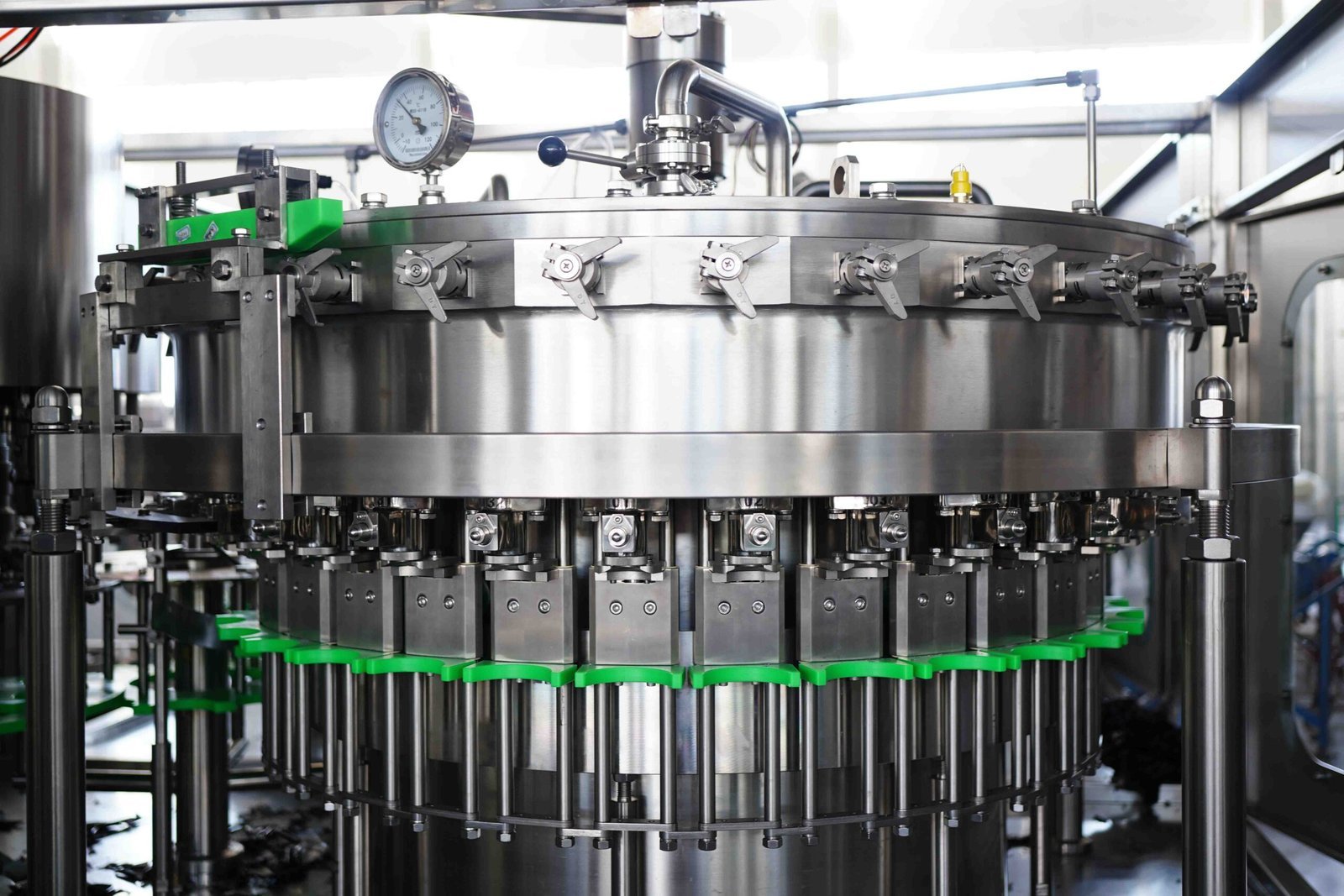
Define the engineering basis before comparing suppliers
A turnkey equipment supply still depends on coordinated local work. Foundations, floors, drains, access openings, steel, platforms, utility headers, cable routes, fire and safety systems, lifting, labor, permits and waste removal may involve different contractors whose sequence can determine the real startup date.
The project should convert the approved layout and interfaces into a work breakdown, area-release plan, responsibility matrix and short-interval coordination process. Every handoff needs entry criteria, inspection evidence and ownership so incomplete civil or utility work does not become hidden machinery delay.
Use this page to prepare a comparable request for quotation and design review. It does not replace product validation, site-specific risk assessment, destination-market compliance, professional engineering or a signed project specification.
Six decisions that shape equipment scope and performance
Each workstream should end with an approved basis, named owner and evidence requirement. Unknowns remain visible assumptions instead of being converted into unsupported claims.
Site readiness and area release
Define building enclosure, access, floor strength and finish, drains, elevations, cleanliness, lighting, temporary power, storage and safety conditions before machinery arrives.
Record the confirmed input, calculation or selection basis, responsible party, required supplier response and evidence that will close this decision before purchase.
Delivery, rigging and preservation
Plan shipping sequence, customs, unloading, route survey, openings, crane and forklift duty, lifting points, laydown, weather protection, inventory and damage reporting.
Record the confirmed input, calculation or selection basis, responsible party, required supplier response and evidence that will close this decision before purchase.
Mechanical installation
Coordinate setting, leveling, anchoring, platforms, guards, conveyors, product and CIP piping, utilities, drains, insulation, lubrication and construction cleanliness.
Record the confirmed input, calculation or selection basis, responsible party, required supplier response and evidence that will close this decision before purchase.
Electrical and controls
Sequence panels, cable trays, power, grounding, networks, field devices, safety circuits, labeling, loop checks, software versions and controlled energization.
Record the confirmed input, calculation or selection basis, responsible party, required supplier response and evidence that will close this decision before purchase.
Hygiene and commissioning transition
Define mechanical completion, cleaning, passivation where applicable, flushing, calibration, dry tests, water tests, product trials and area access as construction becomes production.
Record the confirmed input, calculation or selection basis, responsible party, required supplier response and evidence that will close this decision before purchase.
Contractor control and handover
Use one interface register, daily constraints, permits, inspection requests, redlines, punch categories, turnover packs and accepted custody boundaries.
Record the confirmed input, calculation or selection basis, responsible party, required supplier response and evidence that will close this decision before purchase.
Make supplier responses comparable
Send the same inputs and questions to every shortlisted supplier. Require deviations, exclusions and buyer-supplied work to be stated beside the relevant line item.
| Decision area | Buyer information | Question to close |
|---|---|---|
| Area | Readiness criteria, owner and release date | Can work start without damaging completed systems? |
| Interface | Contractor A output and Contractor B input | What drawing, inspection or permit closes the handoff? |
| Sequence | Predecessor, duration, access and resource | Which activity controls the commissioning path? |
| Turnover | Tests, records, redlines and custody | Is the system safe and complete for the next phase? |
Resolve these gaps before procurement
A visible uncertainty can be tested, assigned or priced. A hidden assumption commonly appears later as a change order, delayed startup, failed quality check or disputed acceptance result.
- Delivering machines before secure and dry storage exists
- Ignoring rigging route, floor loading or access openings
- Closing walls or ceilings before interface inspection
- Energizing panels before grounding and loop control are complete
- Mixing construction work with hygienic product trials
- Starting commissioning with unassigned punch items and missing as-builts
Evidence to request and retain
Documents should be revision controlled and linked to the approved project basis. Final handover should include deviations, open items, as-built status and the owner of every remaining action.
- Integrated work breakdown and area sequence
- Site-readiness and release checklist
- Rigging route, lifting and preservation plan
- Mechanical, electrical and utility interface register
- Inspection and test plan
- Mechanical-completion and energization certificates
- Punch, redline and turnover document index
- Commissioning custody and contractor responsibility matrix
Technical references for the buyer’s own review
These official industry or public-agency resources support the planning logic. They do not certify a specific project and must be interpreted against the actual product, factory and destination-market requirements.
Beverage Line Installation Sequencing and Contractor Coordination FAQ
What should be ready before equipment delivery?
Confirm secure access, route and lifting capacity, building protection, floor and openings, storage, temporary services, safety controls and a verified delivery sequence.
Who connects utilities to the machines?
The responsibility matrix must define design, supply, routing, final connection, flushing, test and acceptance at every battery limit.
When does commissioning begin?
After defined mechanical-completion, safety, utility, calibration, cleanliness, document and custody criteria are met for the system or released area.
How should punch items be managed?
Categorize by safety, operability, quality and documentation impact; assign owner and due date; and define which items block energization, testing or production.
Related beverage engineering guides
Use related pages to connect this decision with product, package, process, utility, control, installation and acceptance boundaries.
Why do beverage line installations stall between machines and contractors?
Most delays occur at interfaces that nobody owns: foundations, openings, delivery routes, utilities, drains, cable containment, process piping, guarding and commissioning readiness. Assign each interface to a named party and required date before equipment arrives.
What you may be seeing
- Machines arrive before foundations or utility drops are ready
- Piping and cable routes conflict with access or hygiene zoning
- Contractors wait for drawings, elevations or battery limits
- Commissioning starts with missing materials, utilities or permits
Check these causes first
- The master schedule lists equipment but not interface dependencies
- Supplier and local-contractor battery limits are ambiguous
- Approved drawings and site conditions are not reconciled
- Mechanical completion and commissioning prerequisites are undefined
Record before changing settings
- Build a responsibility matrix for every physical and control interface
- Sequence foundations, delivery, setting, utilities, piping, cabling and testing
- Verify access, elevations, drainage, hygiene and maintenance clearances on site
- Use mechanical-completion checklists before energization or wet commissioning
Email the details needed for a technical scope review
We can organize the scope boundaries, information dates, readiness checks and commissioning dependencies into a coordination brief for suppliers and local contractors.
- Factory layout and building status
- Equipment list and supplier drawings
- Target delivery and production dates
- Local contractor scopes and utility readiness
- Known site constraints and unresolved interfaces
Keep guards, interlocks and lockout procedures in service. Remote review can organize evidence and supplier questions, but site-specific diagnosis, food-safety validation and equipment work must be performed by competent responsible personnel.
Turn the requirement into a controlled technical RFQ
Send the product and package matrix, target saleable output, factory drawing, available utilities, destination country, budget range and purchase timeline. We can organize equipment and interface questions without inventing missing facts.