 China Beverage Machinery
LanguageEnglish
Enhanced Hygiene Filling
Ultra-Clean Beverage Filling Line
Ultra-clean filling adds a controlled hygienic boundary beyond a conventional line but is not the same as aseptic processing. The exact product, package, sanitation, environment and shelf-life validation must be defined before the term is used in a quotation.
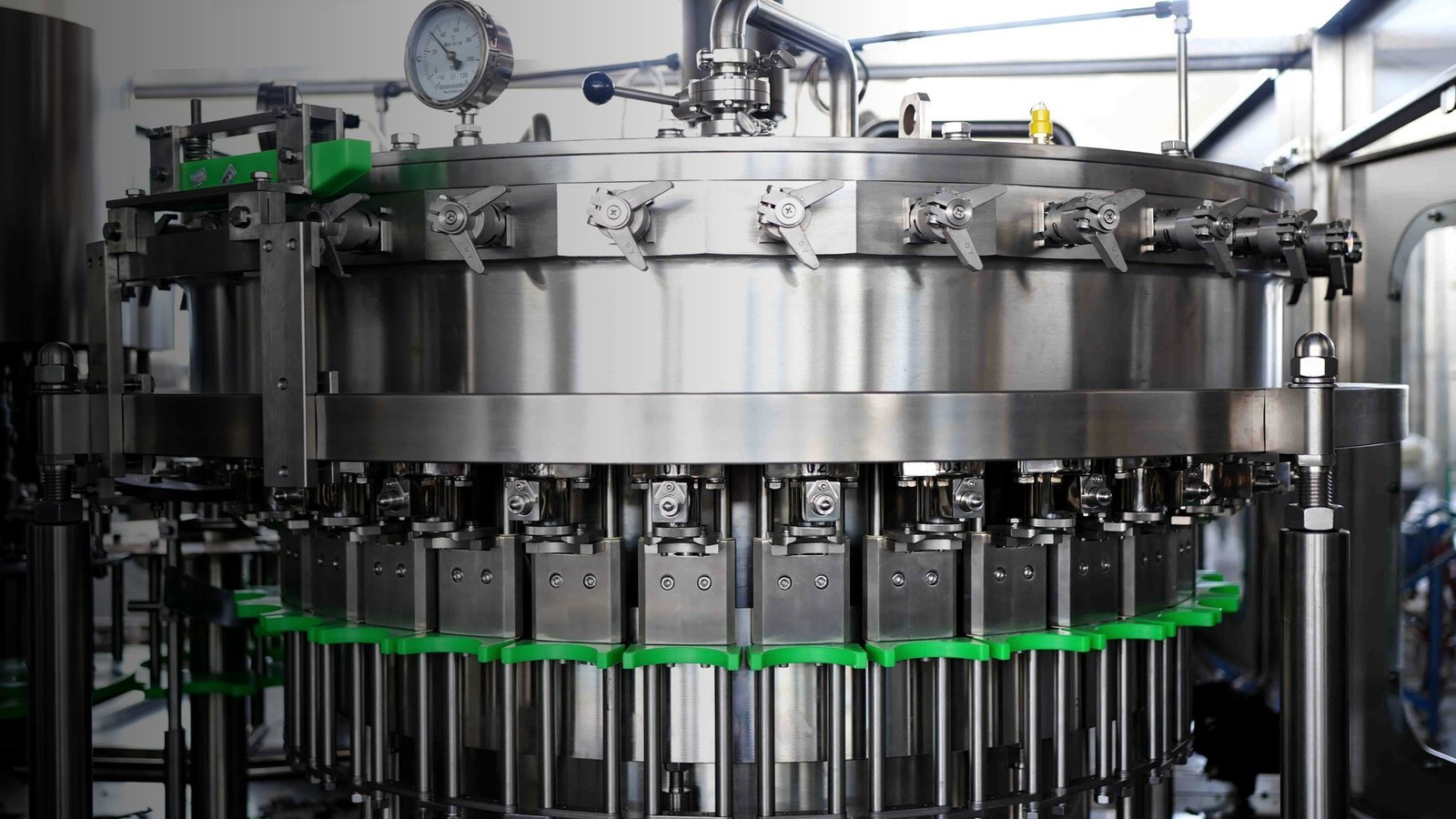
Plan the product path before selecting isolated machines
Different suppliers can use the label ultra-clean for different technical scopes. Buyers should compare explicit package treatment, filler enclosure, air management, cleaning, sanitation, monitoring and operating procedures instead of the name alone.
The product process and distribution plan remain the buyer’s validated responsibility. Equipment scope should identify its hygienic boundary and the evidence available for FAT, installation qualification and production validation.
Modules to define in the quotation
Each proposal should identify included equipment, options, buyer-supplied items, utility battery limits, controls interfaces and acceptance responsibility.
Defined hygiene boundary
Map every product, package, air, operator and cleaning interface inside and outside the controlled zone.
Package treatment
State bottle or preform treatment, cap treatment, chemical or physical method, contact conditions and verification.
Controlled environment
Define enclosure, filtered air, pressure concept, access, gowning, cleaning and environmental monitoring responsibilities.
Filler sanitation
Separate product CIP, equipment sanitation, external cleaning and production startup procedures in the scope.
Product transfer
The treated product path, buffer and filler should avoid uncontrolled exposure, residence time and dead legs.
Verification records
Identify critical process data, sanitation records, alarms, sampling points and backup requirements.
Information that changes the line configuration
Use one structured data set for every supplier so quotations can be compared on the same product, package, capacity and factory duty.
| Decision area | What the buyer should provide | Engineering impact |
|---|---|---|
| Product | Acidity, sensitivity, particles, validated treatment and storage. | Defines whether ultra-clean is appropriate. |
| Package | Preform or bottle, cap, treatment compatibility and barrier. | Defines sanitation and filling system. |
| Hygiene target | Buyer-defined process, monitoring and validation requirements. | Defines controlled-zone scope. |
| Production plan | Campaign length, SKUs, changeovers and cleaning schedule. | Defines sanitation and availability. |
| Facility | Room zoning, HVAC, personnel, utilities and drainage. | Defines site interfaces. |
| Qualification | FAT, installation, sanitation and production validation responsibilities. | Defines evidence and handover. |
Resolve these questions before freezing the equipment list
Ultra-clean definition
Require a written technical boundary from every supplier so proposals can be compared on functions rather than terminology.
Package treatment method
Compatibility, residue, verification, utilities and local chemical handling should be reviewed with the confirmed package.
Facility and operating discipline
A hygienic filler cannot compensate for weak zoning, utilities, personnel practices or sanitation management.
Future product envelope
Document acidity, particles, filling conditions and package ranges. Keep unvalidated future products outside performance claims.
Send these project inputs
- Validated product and shelf-life process
- Package and closure specifications
- Required hygiene and monitoring boundary
- Campaign and changeover plan
- CIP and sanitation requirements
- Facility zoning and HVAC information
- Utilities and chemical handling
- Qualification and validation responsibility matrix
Verify these handover points
- Hygiene boundary and interfaces inspected
- Package treatment conditions recorded
- Air and access controls demonstrated
- CIP and sanitation sequences tested
- Critical alarms and records verified
- Qualification documents and responsibility matrix closed
Questions buyers ask before quotation
Is ultra-clean filling the same as aseptic filling?
No. The terms refer to different process and validation architectures. Ask each supplier to define the exact hygienic boundary and performance evidence.
Which beverages use ultra-clean filling?
Suitability depends on product, validated treatment, package, shelf life and distribution. It should be reviewed project by project.
Does the factory room matter?
Yes. Zoning, HVAC, personnel flow, utilities, drains and sanitation practices form part of the hygienic system.
What should be compared between quotations?
Compare package treatment, enclosure, air, product path, cleaning, sanitation, monitoring, records, validation scope and operating responsibility.
Related equipment and buyer resources
Turn product and factory data into a comparable line scope
Send beverage type, validated process, container drawings, saleable output, utilities, factory dimensions, destination, budget range and purchase timeline.