 China Beverage Machinery
LanguageEnglish
Glass Bottle CSD Solution
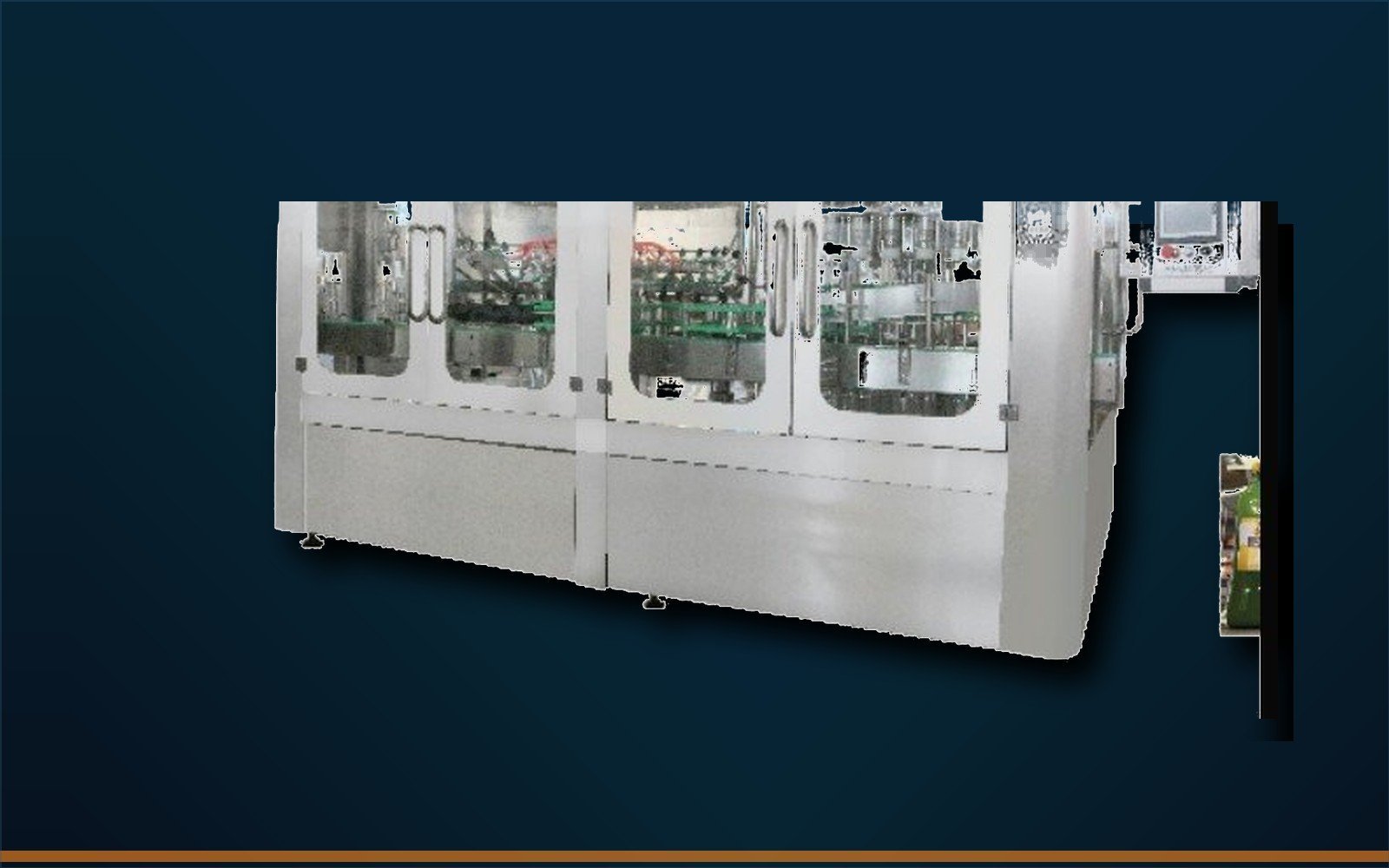
Glass Bottle Carbonated Drink Filling Line
A glass-bottle CSD line must connect syrup preparation, chilling and carbonation to bottle inspection, counter-pressure filling, closure, possible warming, labeling and crate or carton handling. New and returnable bottles need different front ends.
Plan the product path before selecting isolated machines
The package drawing, bottle tolerance, crown or cap, carbonation, product temperature and final pack format directly affect equipment. Returnable bottles also require a separate washing and inspection strategy.
The quotation should state saleable output at the end of the line and identify normal breakage, reject, changeover and packing assumptions rather than comparing only filler speed.
Modules to define in the quotation
Each proposal should identify included equipment, options, buyer-supplied items, utility battery limits, controls interfaces and acceptance responsibility.
Bottle supply condition
Define new one-way bottles or returned bottles, dimensional tolerance, breakage condition, crate format and inspection boundary.
Carbonated product path
Coordinate chilling, carbonation, pressure transfer and filler supply to control foaming and product loss.
Glass handling
Conveyor rails, transfers, accumulation and reject areas should reduce pressure, collision and unsafe manual handling.
Filling and closure
Provide bottle and crown or cap drawings, carbonation range, filling temperature and closure checks.
Post-fill conditioning
Review warming or pasteurization requirements, condensation, label application and bottle drying.
Crate or carton packing
Returnable crates, cartons, trays and shrink packs create different packers, conveyors and warehouse flows.
Information that changes the line configuration
Use one structured data set for every supplier so quotations can be compared on the same product, package, capacity and factory duty.
| Decision area | What the buyer should provide | Engineering impact |
|---|---|---|
| Bottle | Drawing, samples, tolerance, new or returnable condition and crate details. | Defines washer, inspection and handling. |
| Closure | Crown or cap specification, supplier, torque or crimp checks. | Defines closure equipment and acceptance. |
| Product | Carbonation, filling temperature and syrup process. | Defines cold process and filler duty. |
| Output | Saleable bottles per hour by bottle and pack. | Defines line balance and accumulation. |
| Packing | Label, carton, crate, tray or film specifications. | Defines downstream machinery. |
| Safety | Breakage collection, access, guarding and cleaning requirements. | Defines glass-area design. |
Resolve these questions before freezing the equipment list
One-way versus returnable glass
Returnable bottles require washing, inspection, crate handling and rejection beyond a new-bottle rinser.
Crown versus screw cap
Bottle finish, closure supply, equipment, checks and market format should be fixed before capper selection.
Warmer or tunnel pasteurizer
Post-fill treatment follows the validated product and package plan; its duty changes with entry temperature and speed.
Breakage management
Define safe collection, cleanup access, glass exclusion and reject handling around all container transfers.
Send these project inputs
- Bottle drawings, samples and supply condition
- Crown or cap specifications
- Product carbonation and temperature
- Syrup and carbonator scope
- Saleable output and SKU matrix
- Label and pack drawings
- Returnable crate and washer scope
- Acceptance, breakage and safety requirements
Verify these handover points
- Bottle transfer and breakage recorded
- Product temperature and carbonation checked
- Fill and closure results measured
- Reject and cleanup procedures demonstrated
- Label and pack quality verified
- Format parts and safe-work documents delivered
Questions buyers ask before quotation
Can one glass line run new and returnable bottles?
Only if washing, inspection, crate handling, bottle condition and line layout are designed for both supply paths.
What closure data is required?
Provide the bottle finish, crown or cap drawing, material, liner, application specification and representative samples.
Why can saleable output differ from filler speed?
Breakage, inspection, labeling, packing, changeovers and downstream stops affect finished-pack output.
Is a bottle warmer necessary?
It depends on fill temperature, ambient humidity, labeling, packing and validated product requirements.
Related equipment and buyer resources
Turn product and factory data into a comparable line scope
Send beverage type, validated process, container drawings, saleable output, utilities, factory dimensions, destination, budget range and purchase timeline.