 China Beverage Machinery
LanguageEnglish
Coconut Beverage Solution
Coconut Water Processing and Filling Line
Coconut water is sensitive to raw-material variation, oxygen exposure, heat treatment and hygiene. The equipment route should be developed from the validated product process, desired package and cold-chain or ambient shelf-life plan.
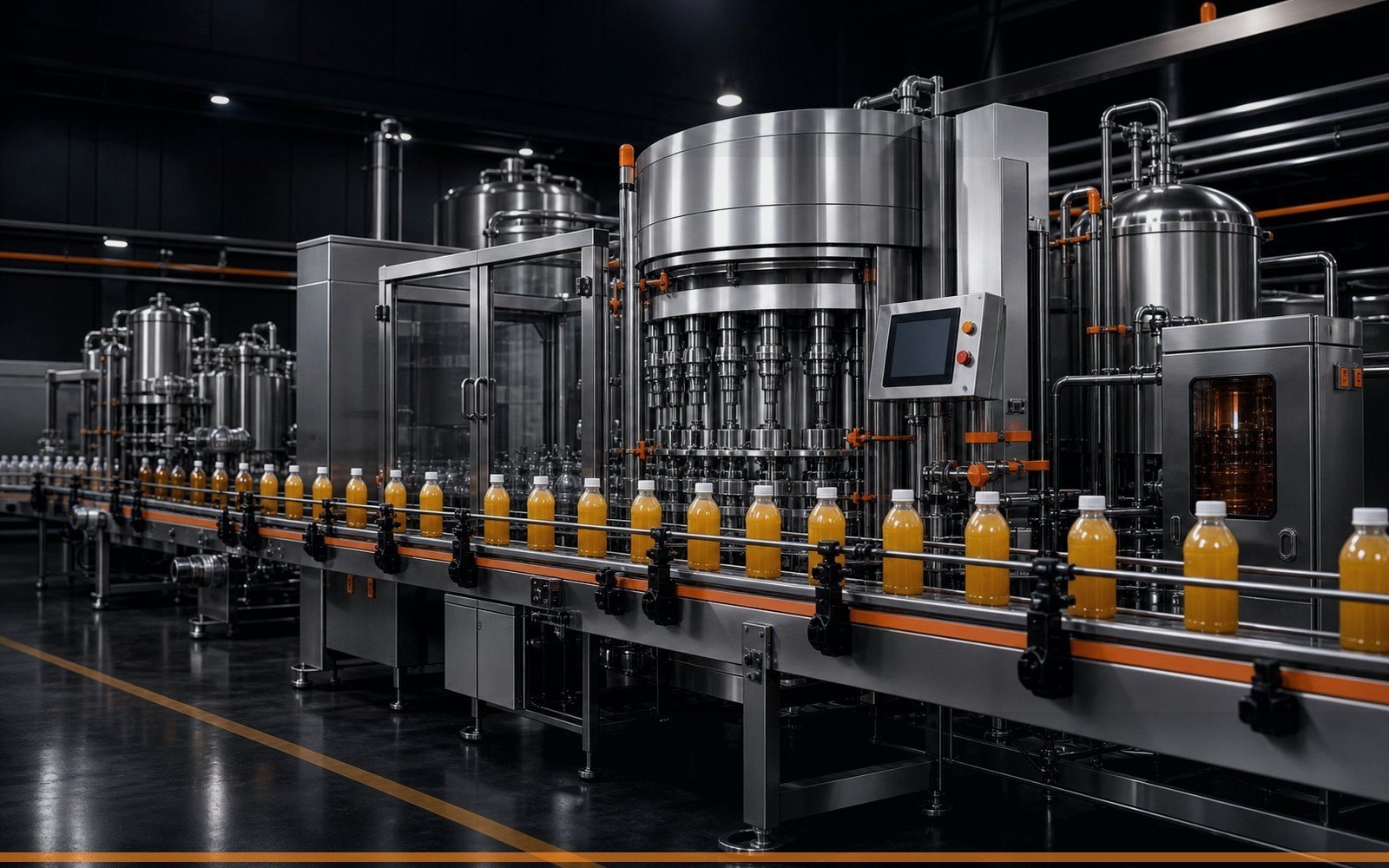
Plan the product path before selecting isolated machines
Fresh extraction, concentrate-based products and formulated coconut drinks have different receiving and preparation requirements. The RFQ should identify raw material, solids, particles, acidity and expected time between extraction and treatment.
PET bottles, glass bottles and cans each change the filling and thermal boundary. Final configuration must align with the buyer’s validated food-safety process and local regulatory requirements.
Modules to define in the quotation
Each proposal should identify included equipment, options, buyer-supplied items, utility battery limits, controls interfaces and acceptance responsibility.
Raw-material receiving
Define fresh, chilled, frozen or concentrate input, delivery containers, temperature, variability and expected receiving rate.
Screening and clarification
Particle size and desired appearance determine screening, filtration or separation decisions. Product loss and cleanability should be reviewed.
Oxygen management
Tank design, transfer, deaeration and headspace control may be important where oxidation affects the confirmed product quality plan.
Thermal process
Heating, holding, cooling and diversion controls should implement a validated process supplied by qualified product specialists.
Package-specific filling
Filling temperature, container barrier, closure or can seam and post-fill handling must be coordinated as one package system.
Cleaning and product recovery
Review soils, hold-up, drainability, cleaning circuits and the handling of product at start, stop and changeover.
Information that changes the line configuration
Use one structured data set for every supplier so quotations can be compared on the same product, package, capacity and factory duty.
| Decision area | What the buyer should provide | Engineering impact |
|---|---|---|
| Raw material | Source form, incoming temperature, solids, particles and variability. | Defines receiving and preparation equipment. |
| Product process | Validated filtration, treatment, filling and storage conditions. | Defines thermal and hygienic scope. |
| Package | PET, glass or can specifications and closure system. | Defines filler, seamer or capper and cooling. |
| Capacity | Incoming volume, batch size and saleable output by SKU. | Balances process and packaging sections. |
| Utilities | Heating, cooling, power, air, water and drainage. | Defines utility duty and site interfaces. |
| Quality plan | Sampling, release, oxygen, color or other confirmed checks. | Defines instrumentation and acceptance evidence. |
Resolve these questions before freezing the equipment list
Fresh source versus concentrate
Receiving, storage, blending and quality checks differ. Both should not be quoted under one unqualified process description.
Package and shelf-life route
Container barrier, thermal resistance, seam or closure and distribution condition must support the validated process.
Process-to-filler buffer
Minimize uncontrolled hold time while providing enough balance for normal filler interruptions and cleaning.
Representative product testing
Use actual or representative coconut water when filtration, fouling, color, foaming or filling behavior is uncertain.
Send these project inputs
- Raw-material form and receiving conditions
- Validated product and shelf-life process
- Physical properties and particle limits
- Package and closure drawings
- Batch and output requirements
- Utility and factory conditions
- Quality checks and traceability
- Destination and project timeline
Verify these handover points
- Receiving and transfer conditions checked
- Screen or filter performance recorded
- Thermal controls and diversion verified
- Filling and closure results measured
- Cleaning routes and drainability inspected
- P&IDs, recipes and quality points documented
Questions buyers ask before quotation
Can coconut water use a standard juice line?
Some modules may be similar, but raw-material condition, oxygen sensitivity, validated treatment, package and cleaning must be reviewed specifically.
Which package is best for coconut water?
The answer depends on product process, shelf life, market, barrier needs, local package supply and distribution. Equipment follows that decision.
Is deaeration always required?
Not automatically. It should be evaluated from the confirmed product-quality and processing plan.
What should be tested before ordering?
When product behavior is uncertain, test representative material for screening, heat transfer, fouling, foaming, filling and cleaning.
Related equipment and buyer resources
Turn product and factory data into a comparable line scope
Send beverage type, validated process, container drawings, saleable output, utilities, factory dimensions, destination, budget range and purchase timeline.