 China Beverage Machinery
LanguageEnglish
Can CSD Solution
Can Carbonated Drink Filling and Seaming Line
A can CSD line connects carbonated beverage preparation with empty-can handling, pressure filling, double seaming, seam inspection, coding and secondary packing. Can body, end and product conditions must be confirmed as one packaging system.
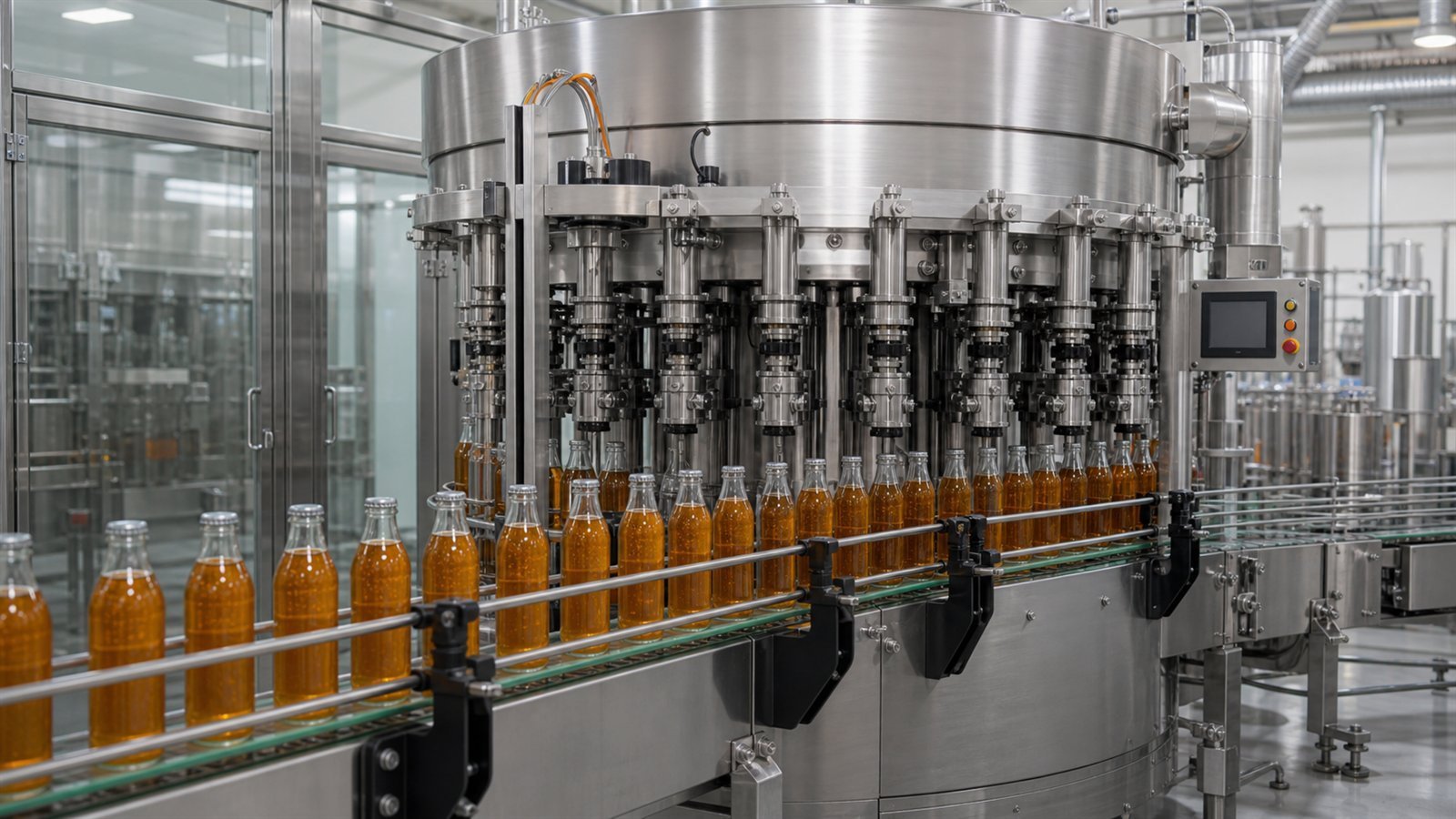
Plan the product path before selecting isolated machines
Standard, sleek and slim cans can require different handling and seamer tooling. The launch matrix should list every can-end combination and separate confirmed formats from future options.
A complete quotation should include seam-quality responsibilities, inspection instruments, sample frequency, rejected-can handling and representative materials for setup and acceptance.
Modules to define in the quotation
Each proposal should identify included equipment, options, buyer-supplied items, utility battery limits, controls interfaces and acceptance responsibility.
Can and end supply
Provide technical specifications, drawings, coatings, pallets, layer pads, ends, suppliers and representative samples.
Can handling
Define depalletizing, elevation, rinse or ionized-air treatment, accumulation and controls that avoid dents and unstable transfers.
Pressure filling
Match product temperature, carbonation, foam behavior, fill target and can dimensions to the filler.
Double seaming
Confirm can-end compatibility, tooling, lubrication, seam checks, changeover and responsibility for setup standards.
Inspection and coding
Scope fill checks, seam sampling, code verification, reject confirmation and production records.
Secondary packing
Define trays, film, cartons, multipacks, variety packs, pallet patterns and finished-pack accumulation.
Information that changes the line configuration
Use one structured data set for every supplier so quotations can be compared on the same product, package, capacity and factory duty.
| Decision area | What the buyer should provide | Engineering impact |
|---|---|---|
| Can system | Body and end specifications, suppliers, dimensions, coatings and samples. | Defines handling and seamer tooling. |
| Product | Carbonation, temperature, foam behavior and formula family. | Defines cold process and filler settings. |
| Output | Saleable cans per hour for each can and pack format. | Defines balanced line sizing. |
| Inspection | Seam method, sample frequency, instruments and records. | Defines quality-control equipment and training. |
| Packing | Tray, film, carton, multipack and pallet specifications. | Defines downstream modules. |
| Acceptance | Reference materials, run length, rejects and seam criteria. | Defines FAT and site testing. |
Resolve these questions before freezing the equipment list
Can-end compatibility
Do not treat can diameter alone as sufficient. Body, end, flange, coating, tooling and supplier tolerances must be reviewed together.
Warm or cold post-fill handling
Condensation and pack material may require warming or drying before cartons, labels or pallets.
Variety-pack scope
Mixed-SKU packs add accumulation, sorting, coding and inventory control beyond a standard single-flavor line.
Seam expertise
Assign trained personnel, instruments, calibration and a documented seam-control program before startup.
Send these project inputs
- Can body and end specifications
- Representative empty cans and ends
- Formula, carbonation and temperature
- Saleable output by format
- Seam inspection and records
- Pack and pallet drawings
- Utilities and factory layout
- FAT, training and spare tooling needs
Verify these handover points
- Can transfer and dent rate observed
- Product condition and fill checked
- Seam teardown and measurements recorded
- Reject verification demonstrated
- Pack and pallet quality checked
- Tooling, gauges, recipes and manuals handed over
Questions buyers ask before quotation
Can one seamer run slim and standard cans?
It may require format parts and tooling. The exact can body and end combinations must be reviewed with the seamer supplier.
What is double-seam inspection?
It is a documented set of external and teardown measurements used to verify the can-end seam. The buyer should define method, frequency and responsibility.
Can the same line fill still drinks?
Possibly, but filling method, product treatment, hygiene, can handling and performance targets need a separate product matrix.
What materials are needed for FAT?
Use representative cans, ends, product or agreed test medium, pack materials and the specified seam instruments.
Related equipment and buyer resources
Turn product and factory data into a comparable line scope
Send beverage type, validated process, container drawings, saleable output, utilities, factory dimensions, destination, budget range and purchase timeline.