 China Beverage Machinery
LanguageEnglish
Co-Packing Factory Solution
Flexible Beverage Contract Packing Line
A contract packer earns from flexibility but pays for every uncontrolled product, package and customer variation. The equipment scope should be based on a defined operating envelope, format matrix, changeover plan, traceability rules and customer acceptance responsibilities.
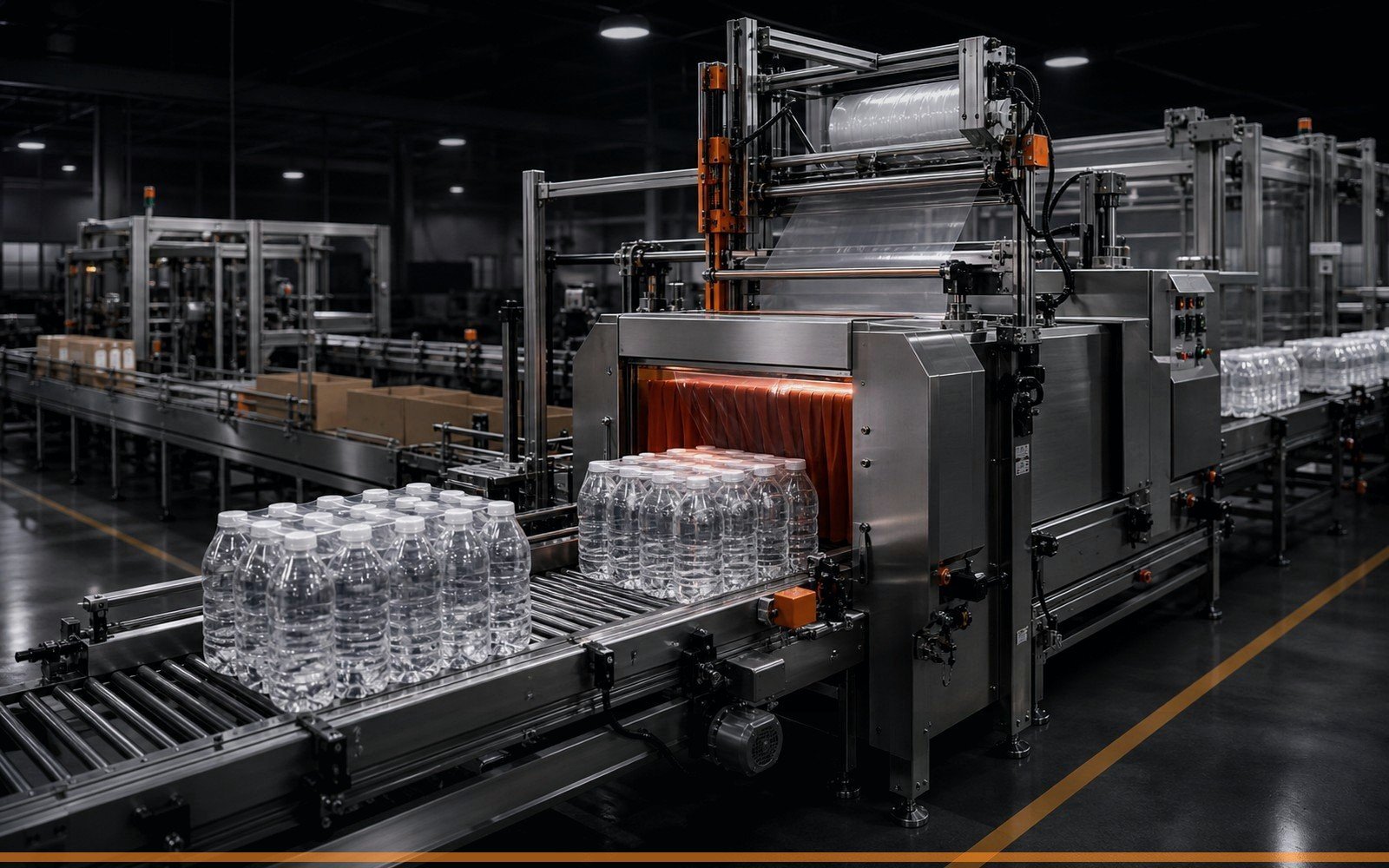
Plan the product path before selecting isolated machines
Water, juice, tea, CSD, energy drinks, cans, PET and glass may not belong on one universal line. The commercial plan should identify compatible families and where separate process or filling routes are required.
Customer-supplied materials introduce variation in bottles, caps, labels, cans, ends and cartons. Incoming inspection, approved specifications and trial rules should be defined before production bookings are accepted.
Modules to define in the quotation
Each proposal should identify included equipment, options, buyer-supplied items, utility battery limits, controls interfaces and acceptance responsibility.
Operating envelope
List confirmed product types, physical ranges, filling conditions, packages, closures, labels and final packs.
Format and change parts
Maintain an SKU matrix covering parts, recipes, tools, setup values, samples, expected time and restart checks.
Material approval
Define drawings, tolerances, incoming checks, trial quantities and responsibility for customer-supplied consumables.
Product segregation
Map allergens, strong flavors, colors, carbonation and hygiene routes to compatible campaign sequences and CIP.
Traceability
Connect customer, formula, ingredient lots, packaging lots, production records, rejects and finished-pallet codes.
Flexible secondary packing
Define which trays, film, cartons, multipacks, variety packs and pallet patterns are included or optional.
Information that changes the line configuration
Use one structured data set for every supplier so quotations can be compared on the same product, package, capacity and factory duty.
| Decision area | What the buyer should provide | Engineering impact |
|---|---|---|
| Customer portfolio | Confirmed product and package families, not an unlimited wish list. | Defines compatible line architecture. |
| Format matrix | Every container, closure, label, pack and expected volume. | Defines parts and changeover workload. |
| Process range | Temperature, carbonation, viscosity, particles, allergens and cleaning. | Defines product-route compatibility. |
| Quality agreement | Material approval, sampling, release, rejects and deviations. | Defines inspection and records. |
| Schedule | Campaign length, changeovers, seasonal peaks and service level. | Defines capacity and buffer. |
| Data | Customer, batch, material, code and pallet traceability. | Defines software and reporting. |
Resolve these questions before freezing the equipment list
Flexible within a defined envelope
Write explicit product, package and process limits so sales commitments remain compatible with installed equipment.
Dedicated versus shared fillers
Separate incompatible carbonation, hygiene, allergen, particle or package duties instead of forcing one high-changeover machine.
Changeover economics
Measure setup labor, cleaning, material loss, restart rejects and inspection, not only mechanical adjustment time.
Customer trial policy
Define sample quantity, drawings, approval, trial charge or responsibility, acceptance result and production-release process.
Send these project inputs
- Customer product-package portfolio
- Physical and process operating envelope
- Complete SKU and format matrix
- Campaign and changeover schedule
- Material approval and incoming inspection
- Allergen and cleaning requirements
- Traceability and reporting
- Flexible packing and warehouse flow
Verify these handover points
- Representative formats and products tested
- Change parts and recipe controls verified
- Material rejects and line rejects demonstrated
- Campaign cleaning and release checked
- Batch-to-pallet traceability proven
- Operating envelope and customer-trial rules documented
Questions buyers ask before quotation
Can one co-packing line fill every beverage?
No. Define compatible operating families by product treatment, carbonation, viscosity, particles, hygiene, package and closure.
How many formats should be included at launch?
Prioritize confirmed customer volume. Every format adds tooling, trials, storage, training and changeover time.
How should customer packaging be controlled?
Use approved drawings, suppliers, tolerances, incoming checks, samples, trial rules and deviation responsibility.
What makes co-packing traceability different?
Records must connect customer, formula, ingredient and packaging lots, production data, rejects and finished-pallet identity.
Related equipment and buyer resources
Turn product and factory data into a comparable line scope
Send beverage type, validated process, container drawings, saleable output, utilities, factory dimensions, destination, budget range and purchase timeline.