 China Beverage Machinery
LanguageEnglish
Beverage factory engineering guide
Beverage Recipe, Batch and Traceability System
Define beverage recipe control, batch genealogy, material lots, process records, packaging codes, user access, reports and system acceptance before automation purchase.
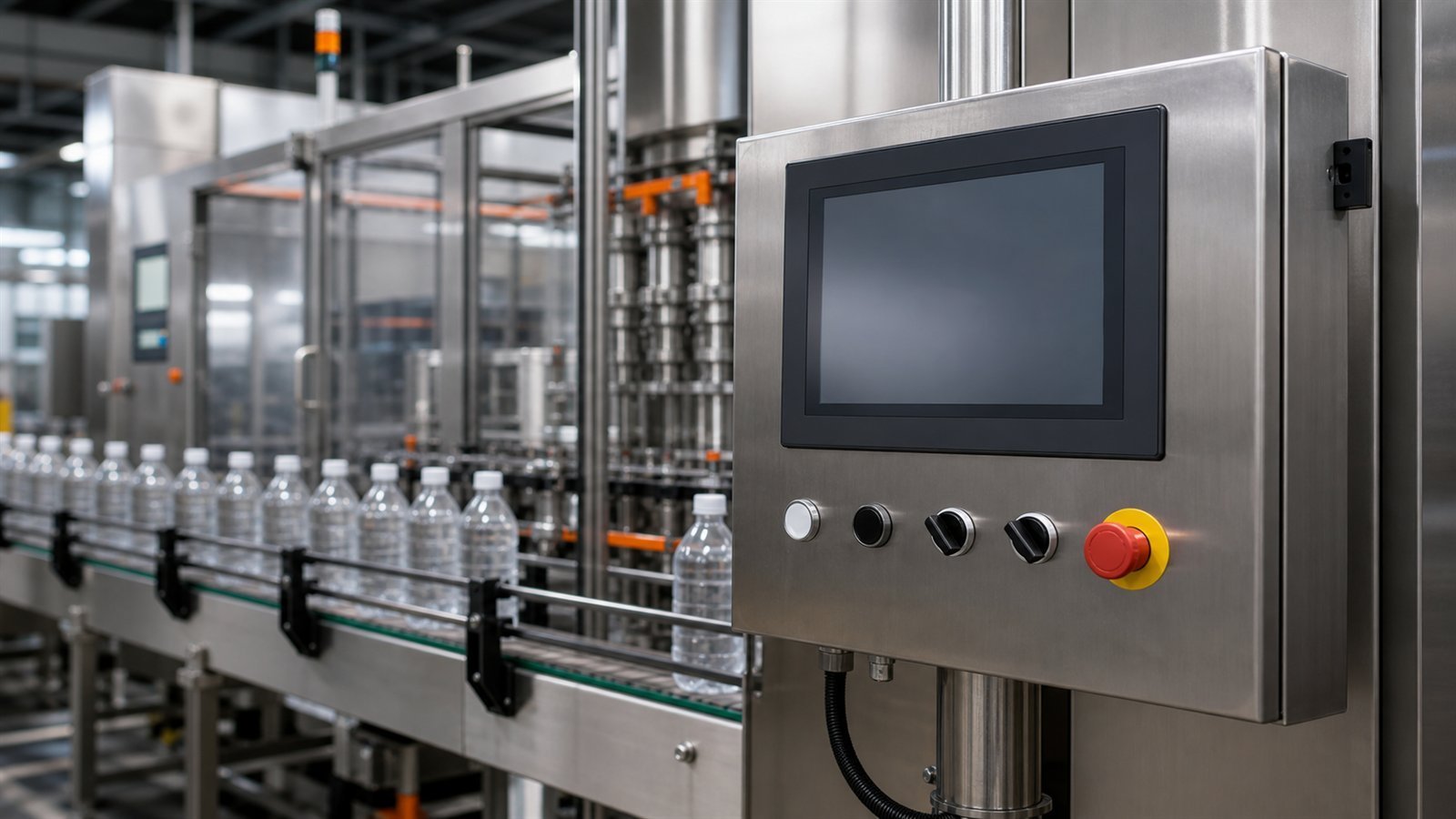
Define the engineering basis before comparing suppliers
Traceability is a chain of usable records, not a dashboard screenshot. A beverage plant should be able to connect received material lots and released recipes to process batches, tanks, filling windows, packaging lots, pallet codes, quality results, deviations and shipped finished goods at the granularity required by its business and destination markets.
The URS must describe the owner of each master-data object, where transactions originate, how identifiers remain unique, what happens during rework or partial transfers, and which system is authoritative. The equipment supplier can then define PLC, batch, MES, ERP, printer, scanner and laboratory interfaces without inventing an unsupported digital scope.
Use this page to prepare a comparable request for quotation and design review. It does not replace product validation, site-specific risk assessment, destination-market compliance, professional engineering or a signed project specification.
Six decisions that shape equipment scope and performance
Each workstream should end with an approved basis, named owner and evidence requirement. Unknowns remain visible assumptions instead of being converted into unsupported claims.
Traceability unit and genealogy
Define whether the controlled unit is ingredient lot, batch, tank, filler run, package code, case, pallet or shipment and how parent-child relationships are recorded.
Record the confirmed input, calculation or selection basis, responsible party, required supplier response and evidence that will close this decision before purchase.
Recipe and version control
State formula ownership, approval workflow, parameter limits, effective dates, electronic change history, access roles and behavior when an old version is selected.
Record the confirmed input, calculation or selection basis, responsible party, required supplier response and evidence that will close this decision before purchase.
Material identification
Plan receiving labels, lot status, staging, weighing, barcode or RFID capture, consumption, return, scrap and reconciliation for ingredients and packaging.
Record the confirmed input, calculation or selection basis, responsible party, required supplier response and evidence that will close this decision before purchase.
Process and quality records
Identify temperatures, times, pressures, flows, operator actions, alarms, laboratory results and release decisions that must be associated with the batch.
Record the confirmed input, calculation or selection basis, responsible party, required supplier response and evidence that will close this decision before purchase.
Packaging and warehouse link
Connect date and lot codes, label version, closure and container lots, case and pallet identifiers, warehouse movement and shipment records.
Record the confirmed input, calculation or selection basis, responsible party, required supplier response and evidence that will close this decision before purchase.
Interfaces and recovery
Define PLC, SCADA, batch, MES, LIMS and ERP boundaries, network loss behavior, manual fallback, data reconciliation, backup, retention and disaster recovery tests.
Record the confirmed input, calculation or selection basis, responsible party, required supplier response and evidence that will close this decision before purchase.
Make supplier responses comparable
Send the same inputs and questions to every shortlisted supplier. Require deviations, exclusions and buyer-supplied work to be stated beside the relevant line item.
| Decision area | Buyer information | Question to close |
|---|---|---|
| Identification | Unique lot, batch, run and pallet rules | Can records be joined without ambiguous manual interpretation? |
| Master data | Recipe, material, SKU and packaging versions | Who approves changes and when do they become effective? |
| Transactions | Issue, consume, transfer, fill, pack, hold and ship | Which system records each event and correction? |
| Retrieval | Forward and backward trace scenarios | Can the defined scope be retrieved completely within the target time? |
Resolve these gaps before procurement
A visible uncertainty can be tested, assigned or priced. A hidden assumption commonly appears later as a change order, delayed startup, failed quality check or disputed acceptance result.
- Using inconsistent identifiers across PLC, MES and ERP
- Recording recipe setpoints but not actual values or events
- Losing genealogy during tank splits, blends or rework
- Allowing unapproved formula or packaging versions
- Ignoring offline operation and reconciliation
- Testing screens without a complete trace exercise
Evidence to request and retain
Documents should be revision controlled and linked to the approved project basis. Final handover should include deviations, open items, as-built status and the owner of every remaining action.
- Traceability scope and data-flow diagram
- Identifier and master-data dictionary
- Recipe approval and change-control workflow
- Interface responsibility matrix
- Batch and packaging event list
- User-role and audit-trail requirements
- Backup, retention and recovery specification
- Forward and backward trace acceptance scripts
Technical references for the buyer’s own review
These official industry or public-agency resources support the planning logic. They do not certify a specific project and must be interpreted against the actual product, factory and destination-market requirements.
Beverage Recipe, Batch and Traceability System FAQ
What is batch genealogy?
It is the documented relationship among input lots, process batches, transfers, filling runs, packaging materials and finished goods, including splits, blends and rework.
Does the PLC provide full traceability?
Usually not alone. The required scope may cross PLC, SCADA, batch, MES, laboratory, warehouse and ERP systems, with clearly assigned data ownership.
How should traceability be accepted?
Run representative forward and backward scenarios including rework, holds, corrected transactions and temporary interface loss, then reconcile quantities and identifiers.
Can a supplier choose the retention period?
The owner should specify retention based on product, legal, customer and business requirements. The supplier then sizes storage and backup accordingly.
Related beverage engineering guides
Use related pages to connect this decision with product, package, process, utility, control, installation and acceptance boundaries.
Why can the plant not reconstruct one beverage batch quickly?
Traceability fails when material lots, recipe versions, equipment states, process records, packaging lots and rework are stored in separate systems without a common batch identity and clock.
What you may be seeing
- A finished pallet cannot be linked to all ingredient and packaging lots
- Operators can change recipes without a controlled version record
- PLC, laboratory and warehouse timestamps do not align
- Rework or recovered product loses its genealogy
Check these causes first
- Batch and lot identifiers are not propagated across process and packaging
- Manual entries use inconsistent names, units or timestamps
- Recipe approval and change control are outside the automation boundary
- Data are collected but backup, retention and retrieval tests are missing
Record before changing settings
- Select one finished batch and trace backward and forward through every record
- Map where each identifier is created, scanned, transformed or manually entered
- Compare system clocks, recipe versions and user audit trails
- Test retrieval after backup restoration rather than only viewing the live system
Email the details needed for a technical scope review
We can define interface, identifier, record and acceptance questions for line controls and integration suppliers without claiming a software platform fits before the existing systems are mapped.
- Process and packaging flow
- Current batch, lot and pallet identifiers
- PLC, SCADA, MES, laboratory and ERP boundaries
- Example missing or conflicting records
- Retention, recall and reporting requirements
Keep guards, interlocks and lockout procedures in service. Remote review can organize evidence and supplier questions, but site-specific diagnosis, food-safety validation and equipment work must be performed by competent responsible personnel.
Turn the requirement into a controlled technical RFQ
Send the product and package matrix, target saleable output, factory drawing, available utilities, destination country, budget range and purchase timeline. We can organize equipment and interface questions without inventing missing facts.