 China Beverage Machinery
LanguageEnglish
Capacity planning
6,000 Cans Per Hour Beverage Line
This guide turns a nominal 6,000 Cans Per Hour Beverage search into a can filling and seaming line defined around the product and can-end system. The final configuration depends on the confirmed product, package, saleable output, factory conditions and acceptance method rather than the headline rate alone.
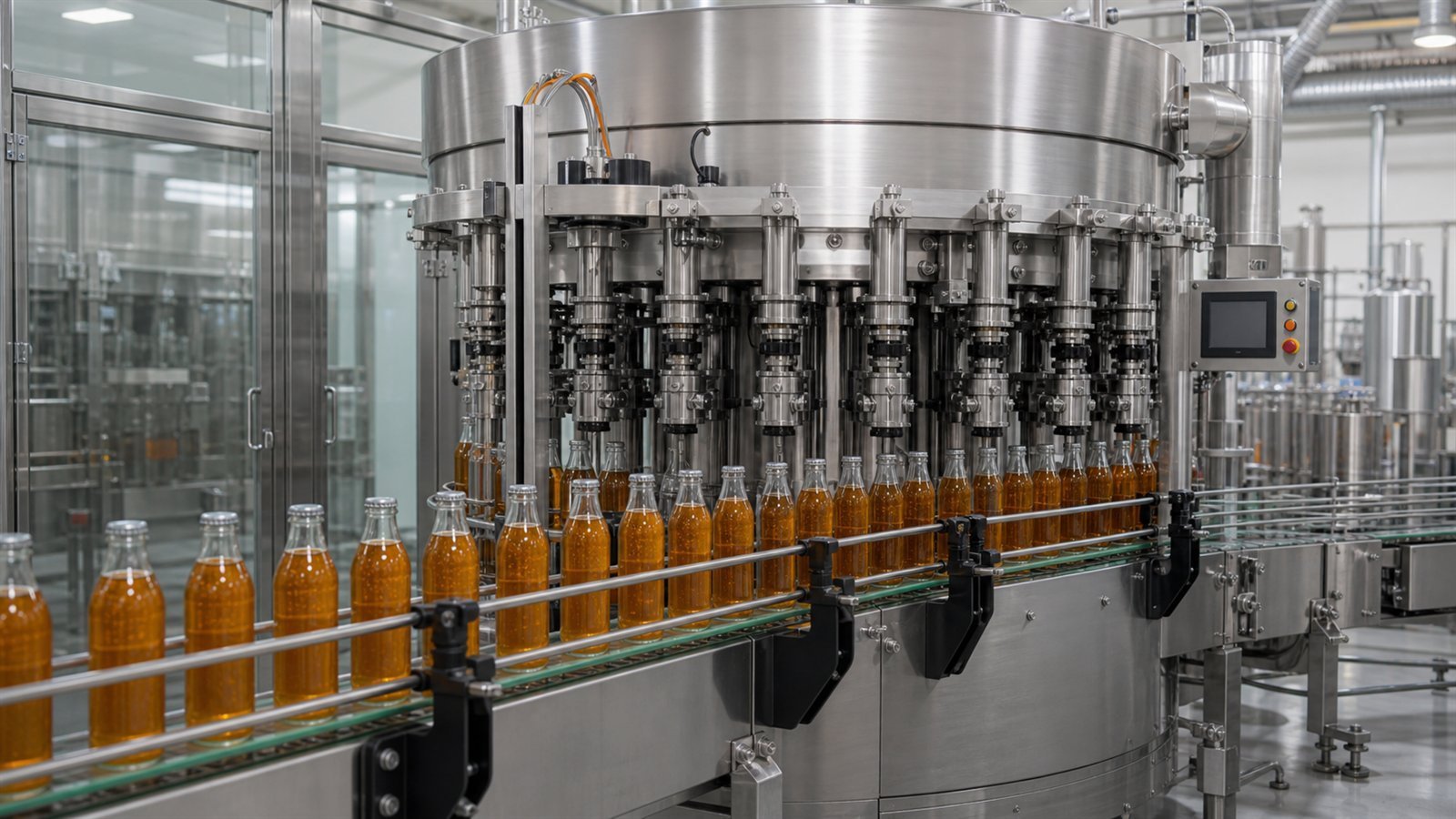
Start with the operating case, not a machine name
The most useful capacity question is not whether one machine carries the requested nameplate. It is whether the complete canned beverage path can repeatedly deliver accepted packs after normal stops, material replenishment, cleaning and changeovers.
This planning case suits still or carbonated beverages using a confirmed can, end and secondary pack. The quotation should expose the likely constraint: empty-can handling, fill control, double-seam inspection and pack integrity. Keep unconfirmed formats and future expansion as visible assumptions or options instead of silently building them into the launch line.
Questions that change the equipment configuration
Ask every supplier to address the same product, package, capacity, utility, controls and acceptance basis. This creates a comparable proposal and exposes unpriced interfaces before the order.
Saleable output
State accepted packs per hour for every launch container and final pack. Nameplate speed alone does not include rejects, short stops, changeover, label or packer recovery.
Product boundary
Define the canned beverage quality, treatment route, filling condition and cleaning basis. This prevents a capacity quotation from hiding process equipment or hygiene responsibility.
Package matrix
Submit bottle or can, closure, label and final-pack drawings with samples and tolerance information. Large and small formats seldom run at one identical rate.
Line balance
Model the constraint around empty-can handling, fill control, double-seam inspection and pack integrity. Add practical accumulation and stop logic where it protects the filler without creating uncontrolled product residence.
Factory and utilities
Map the equipment, access, drains, packaging storage, material routes and simultaneous utility peaks. A line that fits on a list can still fail to fit the building.
Acceptance basis
Agree test material, run duration, good output, rejects, product checks, restart, format change and document handover before the equipment list is frozen.
Information to send with the inquiry
Provide the confirmed data below and mark anything still open. The supplier should return a deviation and assumption list instead of turning missing information into an unsupported promise.
- Product specification and filling condition
- Container, closure, label and final-pack drawings
- Required saleable output for every SKU
- Shift, batch, changeover and cleaning schedule
- Raw-water report and available utilities
- Dimensioned factory layout and storage routes
- Destination voltage, language and export needs
- Budget range, timeline and acceptance method
Compare the tradeoffs before freezing the scope
Bottle or can supply
Compare in-house forming, purchased empty containers and depalletizing from protected storage. The decision changes utilities, floor area, quality checks and line-control interfaces.
One format or several
Prioritize confirmed launch formats. Each additional size adds change parts, recipes, trials, storage, operator tasks and a separate saleable-output target.
Manual or automatic downstream
Evaluate labor, pack weight, campaign length, pallet demand and local material supply. A faster filler does not compensate for an undersized packer or manual pallet bottleneck.
Launch duty or expansion
Document future connections, space and control capacity separately. Do not oversize every module around sales volume that has not yet been confirmed.
Keep these boundaries visible
- Included equipment and local interconnections
- Optional modules and future provisions
- Buyer-supplied utilities, materials and local works
- Mechanical, electrical and controls battery limits
- Installation, commissioning and training responsibility
- Test materials, pass criteria and handover documents
Verify before final handover
- Accepted output recorded by SKU
- Product and package quality checks completed
- Normal stop and restart demonstrated
- Reject devices challenged and recorded
- Change parts and recipes verified
- Manuals, drawings, backups and spare-parts list handed over
Questions buyers ask before quotation
Does the stated BPH equal finished production?
Not automatically. Saleable output also depends on container size, product, closures, label and pack equipment, material quality, stops, rejects, changeovers and the agreed test method.
Can every bottle run at the same speed?
No assumption should be made. Diameter, height, stability, neck finish, fill volume, label and final pack can change transfer conditions and the achievable accepted output.
How much factory space is required?
A dimensioned layout must include equipment, access, drains, utilities, empty-package storage, finished goods, forklifts and future interfaces. A generic length figure is not enough.
What should be sent for a quotation?
Send the product and package matrix, saleable output by SKU, schedule, water and utility data, factory drawing, destination, budget range, timing and acceptance expectations.
Related beverage machinery guides
Turn the inquiry into a comparable equipment scope
Send beverage type, package drawings, saleable capacity, factory layout, utilities, destination, budget range, purchase timeline and acceptance expectations.