 China Beverage Machinery
LanguageEnglish
Documents are part of the supplied operating system
Beverage Line Documentation and Handover Checklist
A beverage line is not ready for sustainable operation when the machines run but the approved drawings, manuals, backups, parts data, test records and training evidence are missing. A document register defines each deliverable, format, language, revision, review status, due date and final receiver before shipment.
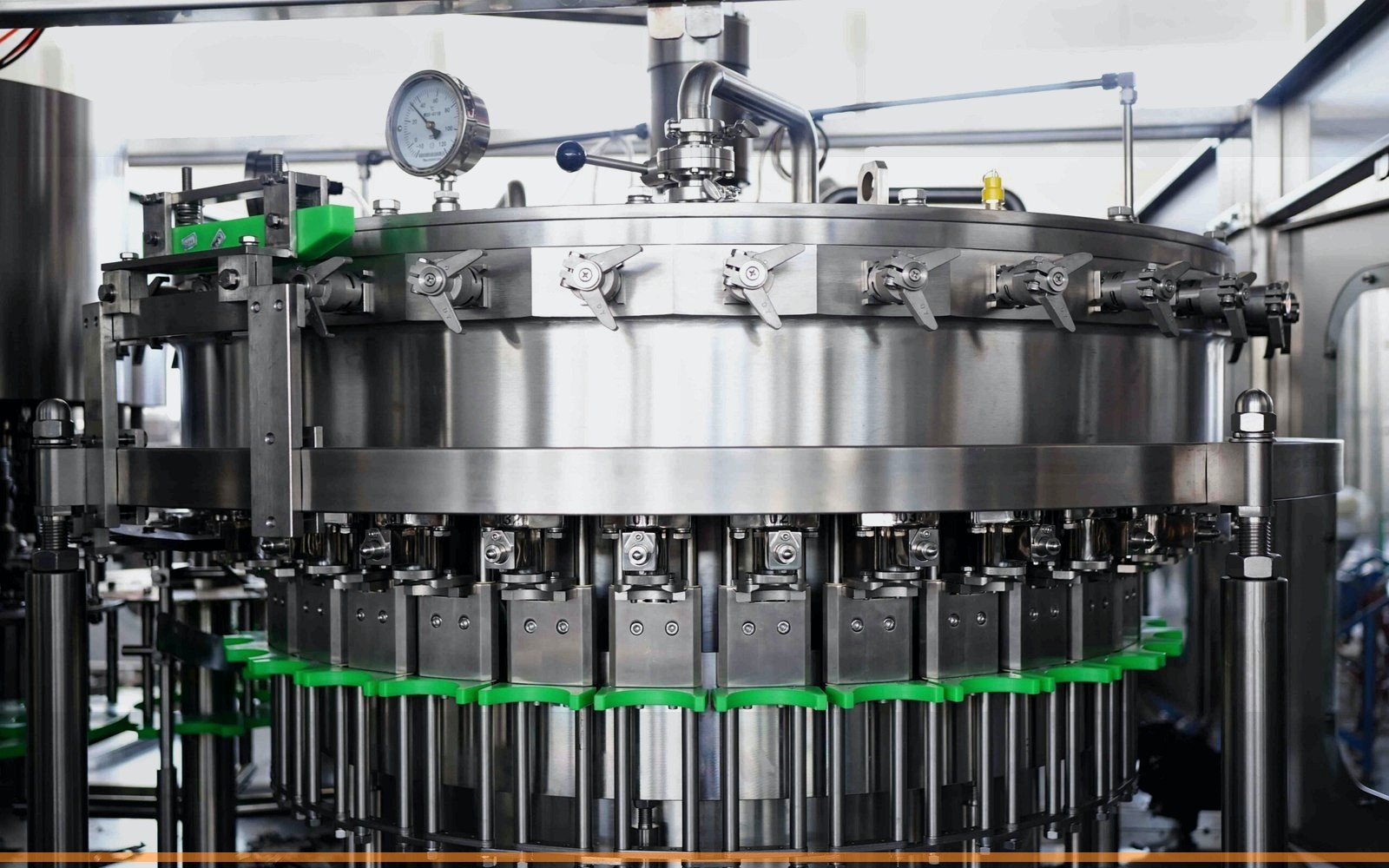
Which documents should be handed over with a beverage production line?
The project-specific handover may include approved equipment and layout lists, process descriptions, P&IDs, utility and connection schedules, mechanical and electrical drawings, control narratives, PLC and HMI backups, operating and maintenance manuals, parts and lubrication data, inspection and calibration records in the agreed scope, FAT and SAT records, training material, punch-list closure and final as-built revisions. The contract should define exactly which items apply.
Project boundary: The checklist does not imply that every listed certificate or drawing applies to every machine. Required documents, languages, formats and approval status must be stated in the signed project scope.
Move the decision forward without hiding open inputs
Keep one reference product, package and project revision through the sequence. Record assumptions and assign owners whenever the next decision depends on data that is not yet confirmed.
Control documents by project phase and intended use
Requesting all documents at shipment is too late. Design documents support approval and local preparation; final as-built files, software and records support operation, maintenance and future troubleshooting.
| Document family | Purpose and typical content | Control fields | Handover check |
|---|---|---|---|
| Scope and equipment | Approved equipment list, option schedule, change parts, spare parts, tools and tagged line boundary | Document number, revision, equipment tag and contract reference | Physical supply and packing records match the approved list |
| Process and utilities | Process description, flow diagram, P&ID where included, utility loads, qualities, points and drainage interfaces | Design basis, units, conditions, battery limit and approval status | Final conditions match the installed connections and agreed scope |
| Layout and mechanical | General arrangement, line layout, foundations or loads where supplied, access, service clearance and connection details | Scale, dimensions, reference coordinates, revision and as-built status | Installed equipment and local-work interfaces can be identified |
| Electrical and controls | Single-line or schematics in scope, I/O or signal lists, control narrative, alarms, recipes, user access and network interfaces | Voltage basis, panel and device tags, software version and backup date | Files open correctly and match the delivered controls |
| Operation and maintenance | Startup, shutdown, operation, cleaning, changeover, lubrication, inspection, preventive maintenance and troubleshooting guidance | Audience, language, machine model, revision and safety boundary | Operators and maintainers can locate current instructions |
| Parts and vendor data | Bills or lists in scope, recommended spares, wear parts, commercial component manuals and supplier references | Part number, equipment tag, quantity, criticality and alternative status | Delivered spares and long-lead risks are reconciled |
| Quality and testing | Inspection records, agreed certificates, FAT/SAT protocols and results, deviations, retests and accepted samples | Requirement reference, method, result, witness and status | Every acceptance item is passed, accepted with action or still open |
| Training and final handover | Training plan and attendance, competence or demonstration records, punch list, support contacts and final index | Role, date, language, file location, receiver and acceptance signature | The buyer has a complete searchable package and controlled backup |
Make the final package usable, not merely complete
Use the following controls as a decision method, not as a claim that every beverage project has the same design or commercial terms.
Define format and language
State whether the buyer needs editable files, native software projects, searchable PDF, spreadsheets, drawings and translated operating material. A screenshot or locked scan may not support maintenance or future modification.
Use status and revision control
Distinguish for review, approved, construction or manufacturing release, and final as-built status. A file name alone should not leave the site team guessing which revision controls the installed equipment.
Verify restore and retrieval
For control backups and critical files, confirm that the media can be opened and that version, software dependency and restore responsibility are understood. Keep an approved buyer-side backup outside the machine computer.
Final documentation acceptance checklist
- The approved document register lists every required deliverable and final due date.
- Equipment, drawing, panel and software identifiers use consistent tags.
- Review comments are closed or transferred to a controlled open-item register.
- Final drawings reflect approved changes and installed connection points.
- Operating, cleaning, changeover and maintenance material matches the delivered models and options.
- PLC, HMI, drive or recipe backups in the agreed scope are dated and identifiable.
- Parts lists distinguish supplied spares, recommended stock and ordinary commercial components.
- FAT, SAT, calibration or inspection records required by the contract are indexed.
- Training records identify audience, content, date, instructor and outstanding needs.
- The buyer has accepted the final index, storage location and future update responsibility.
Handover failures that increase downtime later
Frequently asked questions
These answers establish a planning method. Signed project documents, approved samples and responsible engineering reviews control the final equipment and obligations.
Should the document list be agreed before ordering?
Yes. Include the required document register, languages, formats, review stages and final status in the technical agreement so both sides can schedule the work and price special deliverables.
What does as-built mean for a beverage line?
It means the final controlled document reflects the installed and accepted condition within its defined scope. It should incorporate approved changes made during manufacture, installation and commissioning.
Are PLC and HMI source files always included?
Not automatically. Define software ownership, passwords, source or compiled backups, third-party licenses, remote access and restore support in the contract before assuming a particular deliverable.
Who should accept the final document package?
The buyer should assign technical owners from engineering, controls, maintenance, quality and production as appropriate, plus one document coordinator who tracks the complete register.
Can open documents delay final handover?
That depends on the signed terms. The project should classify critical and noncritical open items, assign due dates and define how payment, acceptance, warranty or support milestones are affected.
Related beverage line planning pages
Send the project data behind the decision
Include the beverage, package, saleable output, factory, utilities, destination, timeline and available drawings or proposals. The project team can review the relevant equipment and open interfaces without turning missing data into a fixed promise.