 China Beverage Machinery
LanguageEnglish
Buyer decision guide
Beverage Machinery Electrical Standards and Export Documents
This guide helps buyers decide destination requirements that affect panels, components, drawings and customs records. The decision should be documented before quotations are compared, because different assumptions can make two equipment lists look similar while their responsibilities, risk and lifecycle cost are very different.
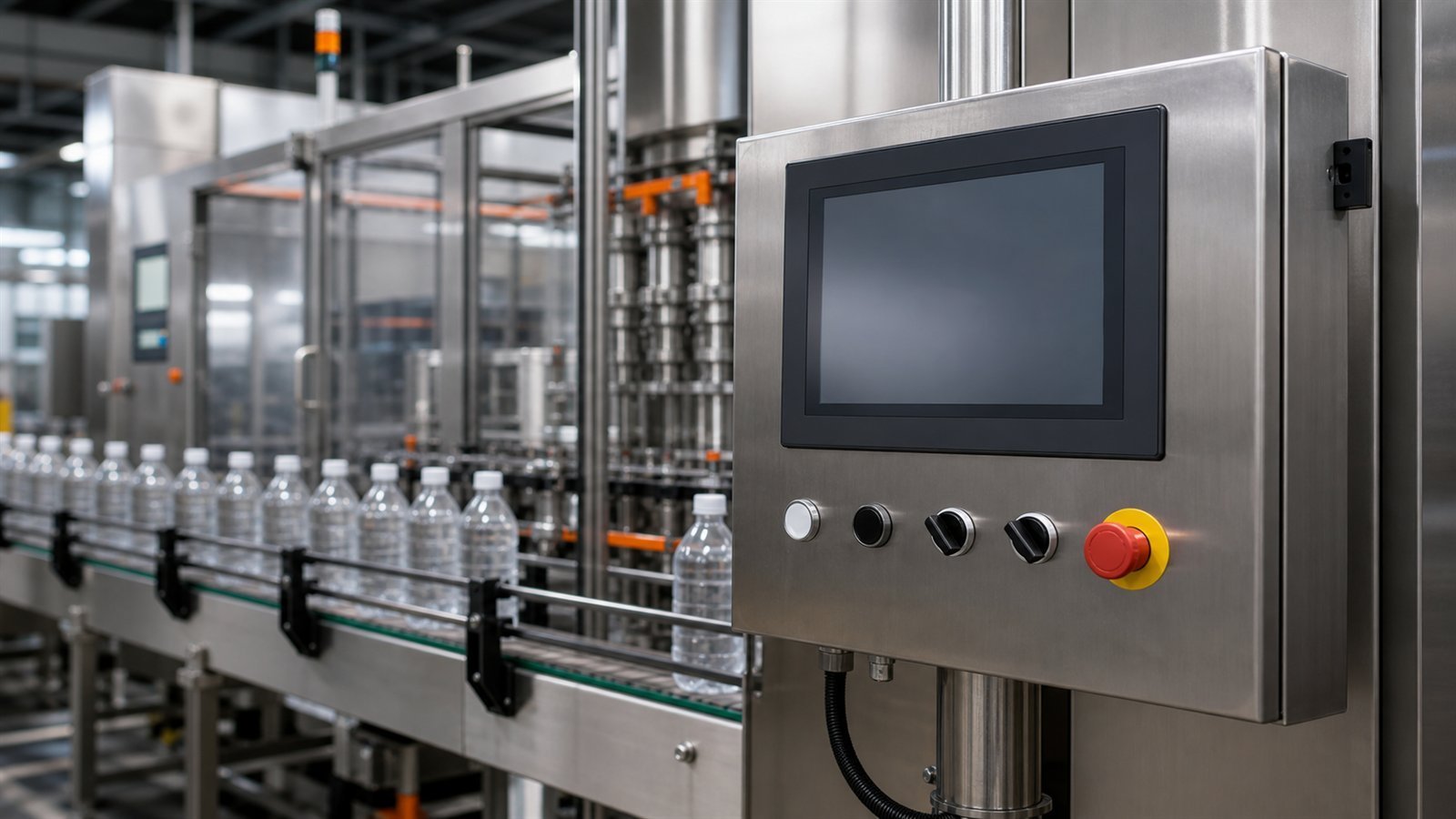
Start with the operating case, not a machine name
Use one project basis for every supplier. At minimum it should resolve voltage, frequency and earthing, component preferences and safety scope, document language and file format, packing list, certificates of origin and consignee data. Ask each proposal to identify what is included, optional, buyer supplied, excluded and reserved for a later stage.
A useful decision record connects the commercial choice to product safety, saleable output, factory conditions, operator capability, installation, test evidence and handover documents. Price should be compared only after those boundaries are aligned.
Questions that change the equipment configuration
Ask every supplier to address the same product, package, capacity, utility, controls and acceptance basis. This creates a comparable proposal and exposes unpriced interfaces before the order.
Voltage, frequency and earthing
Define voltage, frequency and earthing with drawings, data and an owner. Separate confirmed requirements from preferences and future options so the quotation remains traceable.
Component preferences and safety scope
Compare component preferences and safety scope across all proposals using the same operating case. Record assumptions, exclusions, evidence and any action required before order release.
Document language and file format
Define document language and file format with drawings, data and an owner. Separate confirmed requirements from preferences and future options so the quotation remains traceable.
Packing list, certificates of origin and consignee data
Compare packing list, certificates of origin and consignee data across all proposals using the same operating case. Record assumptions, exclusions, evidence and any action required before order release.
Operational consequence
Review how the decision changes labor, utilities, cleaning, changeover, recovery, maintenance and troubleshooting during a normal production week.
Commercial consequence
Separate equipment price from installation, test materials, spares, documentation, local works, shipping and the cost of closing missing interfaces later.
Information to send with the inquiry
Provide the confirmed data below and mark anything still open. The supplier should return a deviation and assumption list instead of turning missing information into an unsupported promise.
- Product and package matrix
- Saleable capacity and production schedule
- Factory layout and utility conditions
- Current equipment data when retrofitting
- Destination standards and document language
- Operator and maintenance capability
- Budget range and purchase timeline
- FAT, SAT and final handover expectations
Compare the tradeoffs before freezing the scope
Evidence versus assumption
Prefer drawings, lists, calculations, samples and test records. Unconfirmed claims should remain assumptions with an owner and closure date.
Lowest initial scope versus complete boundary
A lower price can reflect omitted interfaces. Compare identical battery limits before treating a quotation as more competitive.
Standard design versus project adaptation
Use standard equipment where it fits the confirmed duty, and document only the adaptations needed for the product, package, site and destination.
Launch requirement versus future option
Keep expansion paths visible, but prevent speculative future demand from increasing every launch-stage module and utility.
Keep these boundaries visible
- Included equipment and local interconnections
- Optional modules and future provisions
- Buyer-supplied utilities, materials and local works
- Mechanical, electrical and controls battery limits
- Installation, commissioning and training responsibility
- Test materials, pass criteria and handover documents
Verify before final handover
- Decision basis approved and revision controlled
- Supplier assumptions and exclusions compared
- Interfaces and responsibilities assigned
- Test evidence and pass criteria agreed
- Open risks have owners and dates
- Final scope, documents and handover list attached
Questions buyers ask before quotation
Why do supplier quotations differ so much?
They may use different product, package, capacity, utilities, equipment boundaries, installation and acceptance assumptions. Normalize those inputs before comparing the total scope.
Should the cheapest compliant option be selected?
Price is one factor. Also compare saleable duty, product and package risk, utility use, changeover, maintenance, spares, documentation, service boundary and integration responsibility.
How should unresolved details be handled?
Keep them as written assumptions, optional prices or actions with owners and dates. Do not let an unconfirmed item silently become a performance promise.
What should be attached to the purchase specification?
Attach the project basis, equipment and interface list, layout, utilities, package drawings, acceptance protocol, documents, spares, installation boundary and deviation register.
Related beverage machinery guides
Turn the inquiry into a comparable equipment scope
Send beverage type, package drawings, saleable capacity, factory layout, utilities, destination, budget range, purchase timeline and acceptance expectations.