 China Beverage Machinery
LanguageEnglish
Startup Factory Planning
Small Beverage Factory Startup Line Planning
A startup beverage factory needs a focused first product, realistic saleable capacity and a layout that can grow without buying every possible machine on day one. The project should separate launch essentials, local supply and future options.
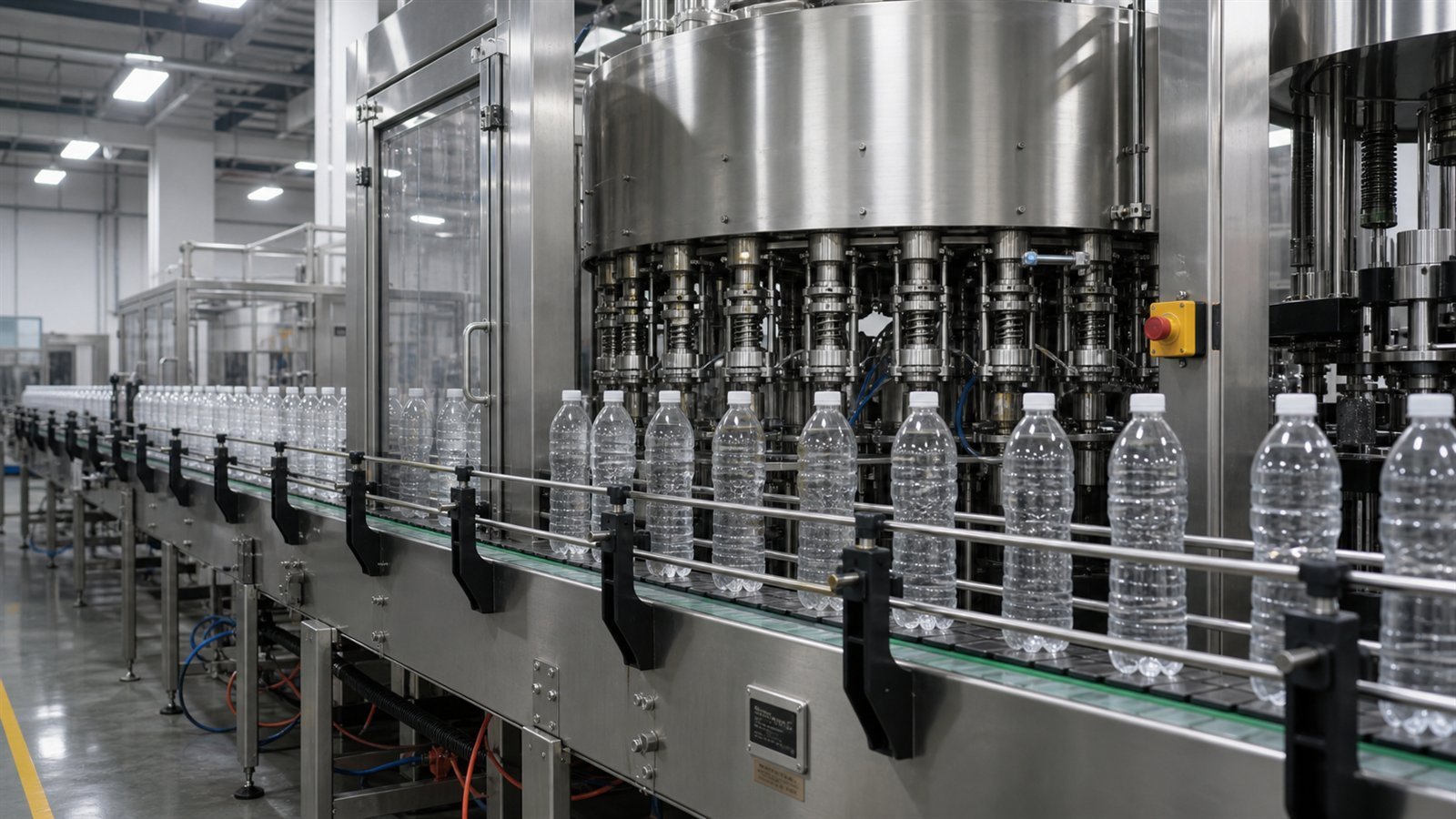
Plan the product path before selecting isolated machines
The first decision is not machine speed. It is the product-package-market combination, production days, sales ramp, local bottle or can supply, labor, utilities and regulatory path.
A phased plan can begin with purchased bottles, manual material handling or simpler packing where appropriate, while reserving verified space and connections for later automation.
Modules to define in the quotation
Each proposal should identify included equipment, options, buyer-supplied items, utility battery limits, controls interfaces and acceptance responsibility.
Launch SKU discipline
Choose confirmed product, container, closure, label and pack combinations. Every additional format adds change parts, materials, inventory and testing.
Right-sized process room
Size tanks, treatment and cleaning from batches, operating days and product release, not only a future sales target.
Local package supply
Compare ready bottles, preforms, caps, labels, cans, ends, cartons and film using real local quotations and minimum orders.
Essential automation
Automate tasks with safety, hygiene, quality or labor consequences first. Keep convenience options separately priced.
Factory and utilities
Confirm floor, height, drains, power, water, air, heat, cooling, waste and material routes before the equipment list is frozen.
Expansion interfaces
Reserve practical floor space, pipe and control connections only for defined future products or capacities.
Information that changes the line configuration
Use one structured data set for every supplier so quotations can be compared on the same product, package, capacity and factory duty.
| Decision area | What the buyer should provide | Engineering impact |
|---|---|---|
| Business launch | Product, package, monthly sales plan and production days. | Defines realistic first-stage capacity. |
| Product process | Validated formula, treatment, filling and storage route. | Defines essential equipment. |
| Local supply | Package, ingredient, utility, labor and service availability. | Defines make-or-buy decisions. |
| Factory | Dimensions, access, drains, utilities, storage and expansion. | Defines layout and site work. |
| Budget boundary | Confirmed budget range and what must be included. | Supports phased options without invented pricing. |
| Timeline | Permits, building, package development, shipment and launch target. | Defines a practical project sequence. |
Resolve these questions before freezing the equipment list
Saleable capacity versus maximum speed
Start from monthly demand, shifts, product campaigns and finished-pack output. Oversized equipment can create poor batch and utility economics.
Complete automation versus phased plan
Compare labor, safety, hygiene, maintenance and cash use. Document which interfaces support future modules.
Make bottles or buy bottles
Use local bottle price, freight, storage, minimum order, utilities and technical capability in the comparison.
One product first
A focused launch reduces process, package, changeover and inventory complexity while the plant team builds operating experience.
Send these project inputs
- Launch product and validated process
- Container, closure and pack choice
- Monthly demand and production schedule
- Local package and ingredient supply
- Factory drawing and utilities
- Confirmed budget range
- Destination and regulatory responsibilities
- Phased expansion and launch timeline
Verify these handover points
- Essential and optional scope separated
- Saleable capacity assumptions recorded
- Factory and utility battery limits confirmed
- Representative materials tested
- Training and maintenance plan completed
- Future interfaces documented without unsupported promises
Questions buyers ask before quotation
What is a good startup line capacity?
There is no universal number. Use monthly demand, operating days, batch size, package supply, labor and growth scenarios.
Should a startup buy a PET blower?
Compare local bottle supply, freight, storage, volumes, utilities and technical capability before adding blowing equipment.
Can one small line make many beverages?
Flexibility has limits. Product treatment, cleaning, package and changeover requirements should be mapped before a common line is promised.
What should be planned before requesting price?
Prepare product, package, capacity, factory, utilities, local supply, budget, destination and timeline so quotations cover the same scope.
Related equipment and buyer resources
Turn product and factory data into a comparable line scope
Send beverage type, validated process, container drawings, saleable output, utilities, factory dimensions, destination, budget range and purchase timeline.