 China Beverage Machinery
LanguageEnglish
Aseptic Beverage Solution
Aseptic Beverage Processing and Filling Line
An aseptic beverage line is a validated system connecting product treatment, sterile holding and transfer, package and closure treatment, controlled filling, cleaning, sterilization and operating procedures. It should never be reduced to the filler alone.
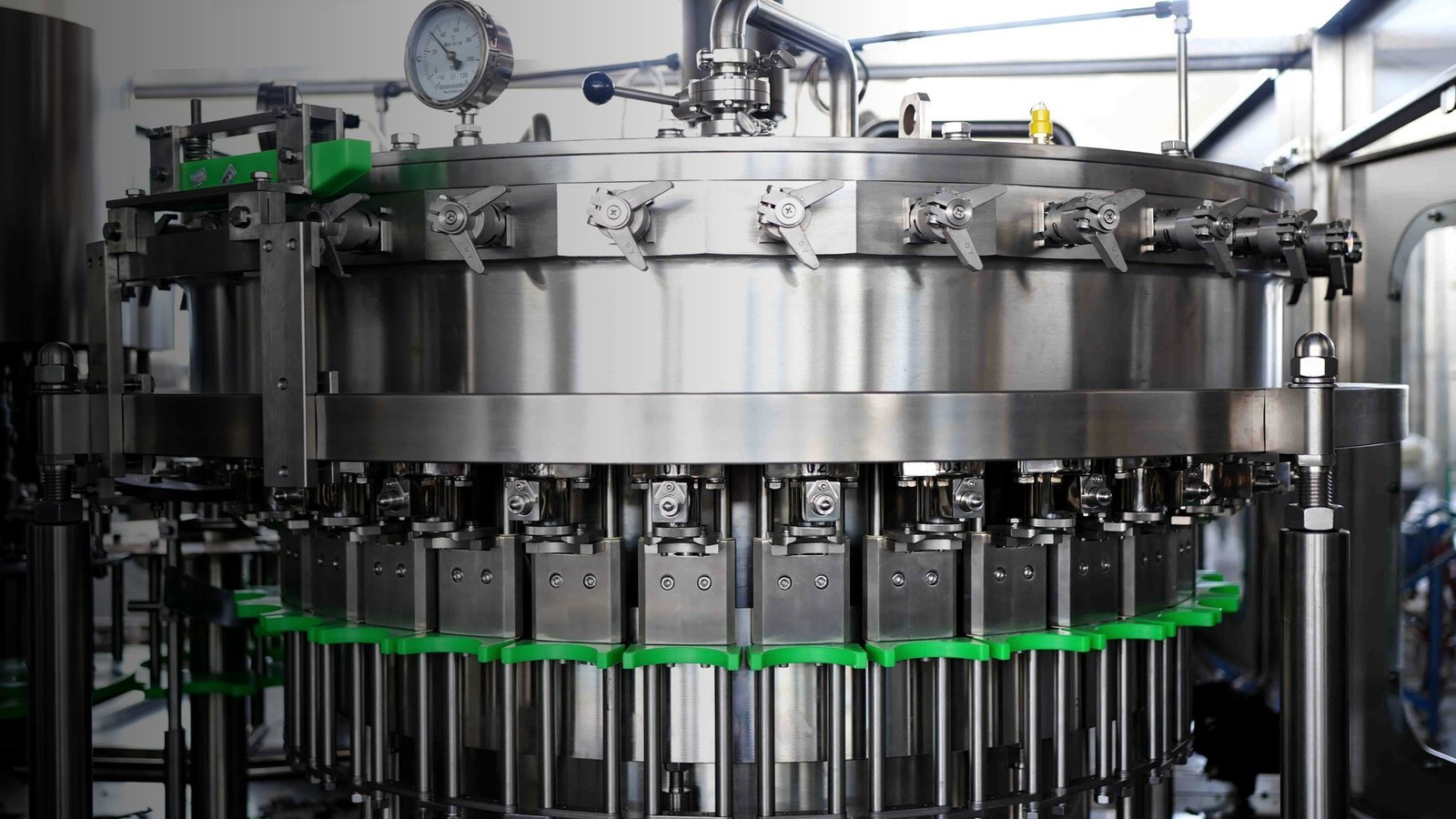
Plan the product path before selecting isolated machines
Low-acid, dairy, plant-based, juice, tea and particle products can require different aseptic architectures. The product authority must define validated conditions and acceptable operating limits before suppliers finalize equipment.
A quotation should contain a responsibility matrix covering process validation, package validation, utilities, sterile boundaries, factory zoning, qualification, test materials, laboratory support and operator training.
Modules to define in the quotation
Each proposal should identify included equipment, options, buyer-supplied items, utility battery limits, controls interfaces and acceptance responsibility.
Product sterilization
Define product properties, validated temperature and hold, flow range, diversion, heat recovery and recording.
Sterile buffer and routing
Map sterilizable tanks, valves, pumps, pipes, instruments, boundaries and permitted hold conditions.
Package treatment
State preform, bottle, cap or package treatment method, compatibility, critical conditions and verification.
Aseptic environment
Define enclosure, sterile air or gas, pressure, access, interventions and environmental or process monitoring.
CIP and SIP
Document circuits, sterilization sequence, utilities, condensate or return paths, alarms and release criteria.
Qualification package
Agree design review, FAT, installation, commissioning, media or product trials, training and validation evidence.
Information that changes the line configuration
Use one structured data set for every supplier so quotations can be compared on the same product, package, capacity and factory duty.
| Decision area | What the buyer should provide | Engineering impact |
|---|---|---|
| Product envelope | Acidity, solids, viscosity, particles, allergens and validated process. | Defines sterilizer and filler suitability. |
| Package system | Preform, bottle, cap or other package and treatment compatibility. | Defines package sterilization. |
| Capacity range | Minimum and maximum process flow and saleable output by SKU. | Defines turndown and buffer design. |
| Sterile boundary | Buyer-required process, utilities, rooms and intervention concept. | Defines complete architecture. |
| Validation | Responsibility, test materials, laboratory and acceptance protocol. | Defines project evidence. |
| Lifecycle | Spares, sterile filters, chemicals, calibration and remote support. | Defines operating readiness. |
Resolve these questions before freezing the equipment list
Product and package validation first
Aseptic equipment should implement a confirmed process and compatible package, not be used to guess the final product.
Particle product limits
Particle dimensions, concentration, heat transfer and filler passages need representative trials and explicit operating limits.
Facility scope
HVAC, clean utilities, rooms, drains, laboratories and operator practices must be included in the responsibility matrix.
Operating capability
Training, calibration, maintenance, sterile-filter management and deviation handling are part of sustainable aseptic operation.
Send these project inputs
- Validated product and sterilization process
- Complete physical-property envelope
- Package and closure treatment requirements
- Minimum and maximum capacity
- Factory zoning and clean-utility data
- CIP, SIP and chemical requirements
- Qualification and validation plan
- Training, spares and lifecycle support
Verify these handover points
- Sterile boundary and P&IDs reviewed
- Critical process instruments verified
- Package treatment sequence demonstrated
- CIP and SIP records checked
- Intervention and alarm tests completed
- Qualification evidence and open actions documented
Questions buyers ask before quotation
Is an aseptic filler enough for an aseptic line?
No. Product sterilization, sterile transfer, package treatment, controlled environment, CIP, SIP, facility and validation form one system.
Can one aseptic line run low- and high-acid products?
Only when the equipment, validated processes, package systems, cleaning and operating limits explicitly cover both.
Who validates the process?
The buyer should assign qualified product, process, food-safety and laboratory resources, with supplier responsibilities documented.
What should be included in the quotation?
Include technical boundaries, utilities, sterile components, package treatment, controls, qualification, training, spares and responsibility matrix.
Related equipment and buyer resources
Turn product and factory data into a comparable line scope
Send beverage type, validated process, container drawings, saleable output, utilities, factory dimensions, destination, budget range and purchase timeline.