 China Beverage Machinery
LanguageEnglish
Fermented Beverage Packaging
Kombucha Bottling and Canning Line
Kombucha packaging begins after the buyer has defined and controlled fermentation. The line must handle live or stabilized product, residual solids, desired carbonation, cold-chain conditions and the selected bottle or can without making unsupported shelf-life assumptions.
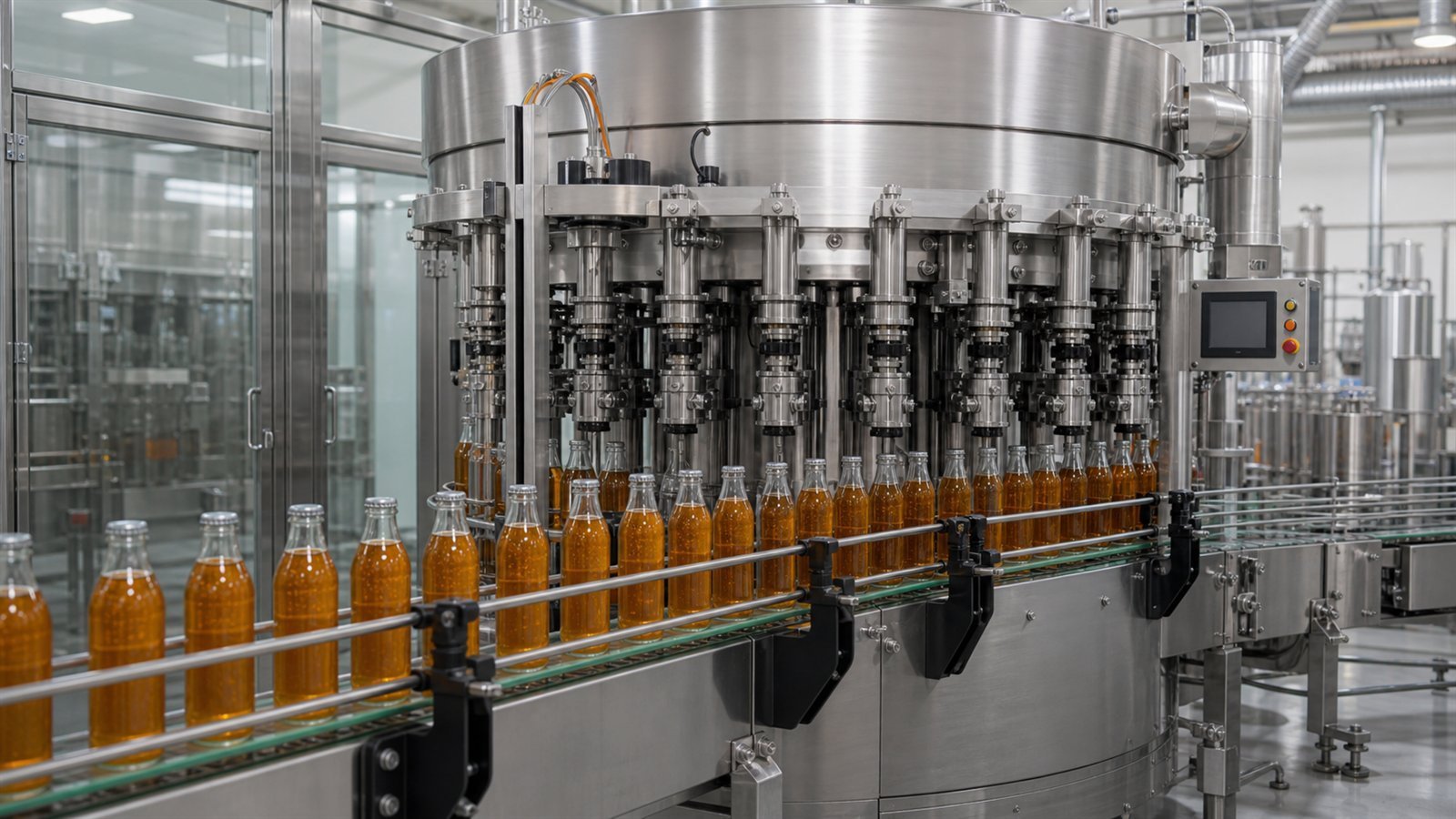
Plan the product path before selecting isolated machines
This solution focuses on finished kombucha transfer, optional filtration or blending, carbonation where required, filling, closure, coding and packing. Fermentation vessel design and process validation should be scoped separately with qualified specialists.
Product behavior can change with temperature, residual sugar, yeast, particles and continued fermentation. Representative product trials and a clear cold-chain plan are important before filler performance is promised.
Modules to define in the quotation
Each proposal should identify included equipment, options, buyer-supplied items, utility battery limits, controls interfaces and acceptance responsibility.
Finished-product specification
Provide temperature, carbonation, residual solids, particles, viscosity and whether the product remains biologically active.
Filtration or stabilization boundary
State what is included and what product changes are acceptable. Equipment should follow the validated brand process.
Flavor blending
Fruit, juice, herbs or particles change mixing, filtration, filling and cleaning. Define every launch family.
Cold product path
Tanks, pumps, carbonator and filler should preserve temperature and pressure while minimizing air pickup and uncontrolled hold time.
Bottle or can closure
Glass crowns, caps or can seams require package-specific tooling, checks and representative materials.
Sanitation and cold chain
Define cleaning chemicals, temperature limits, microbiological controls, packaged-product cooling and storage responsibilities.
Information that changes the line configuration
Use one structured data set for every supplier so quotations can be compared on the same product, package, capacity and factory duty.
| Decision area | What the buyer should provide | Engineering impact |
|---|---|---|
| Product state | Live or stabilized, temperature, carbonation, solids, particles and residual sugar. | Defines filling and storage conditions. |
| Flavor matrix | Base and flavored products, additions and campaign order. | Defines blending and cleaning. |
| Package | Glass, PET or can drawings, closure and pressure rating. | Defines filler and closure equipment. |
| Cold chain | Filling, packing, warehouse and distribution temperatures. | Defines cooling and handling boundary. |
| Output | Saleable output, container sizes and pack formats. | Defines line balance and accumulation. |
| Acceptance | Actual product, CO2, fill, seam or torque and run test. | Defines measurable performance. |
Resolve these questions before freezing the equipment list
Live versus stabilized product
These are different product and distribution models. The equipment supplier should not decide the microbiological process.
Bottle versus can
Compare oxygen and light needs, carbonation, closure, seam, brand format, local supply and cold-chain packing.
Particles and flavor additions
Representative trials can confirm passages, settling, foaming, filtration and cleaning before final filler selection.
Cold-chain ownership
Clarify where supplier scope ends and buyer refrigeration, warehouse and distribution controls begin.
Send these project inputs
- Released kombucha product specification
- Live or stabilized process definition
- Flavor and particle matrix
- Target carbonation and temperature
- Package and closure drawings
- Output and cold-chain plan
- Cleaning and microbiological requirements
- Representative test product and acceptance method
Verify these handover points
- Product temperature and carbonation recorded
- Foaming and fill consistency measured
- Closure or seam checks completed
- Flavor changeover demonstrated
- Cleaning and cold-chain handoff documented
- Product limits and operating recipes delivered
Questions buyers ask before quotation
Can a beer filler package kombucha?
Possibly, but product temperature, carbonation, solids, sanitation, package and live-product behavior require a separate review.
Can the line fill both cans and bottles?
Usually this means separate container handling and closure equipment even if some product preparation modules are shared.
Who determines stabilization?
The buyer should use qualified product and food-safety specialists to define fermentation, stabilization and shelf life.
Why test actual kombucha?
Actual product reveals foaming, particles, pressure, fill, closure and cleaning behavior that water tests cannot show.
Related equipment and buyer resources
Turn product and factory data into a comparable line scope
Send beverage type, validated process, container drawings, saleable output, utilities, factory dimensions, destination, budget range and purchase timeline.