 China Beverage Machinery
LanguageEnglish
RTD Tea Solution
Ready-to-Drink Tea Production Line
Ready-to-drink tea projects connect leaf extraction or tea concentrate handling with filtration, blending, oxidation control, validated thermal treatment, hygienic filling and package cooling. Tea type and product route should be defined before equipment is selected.
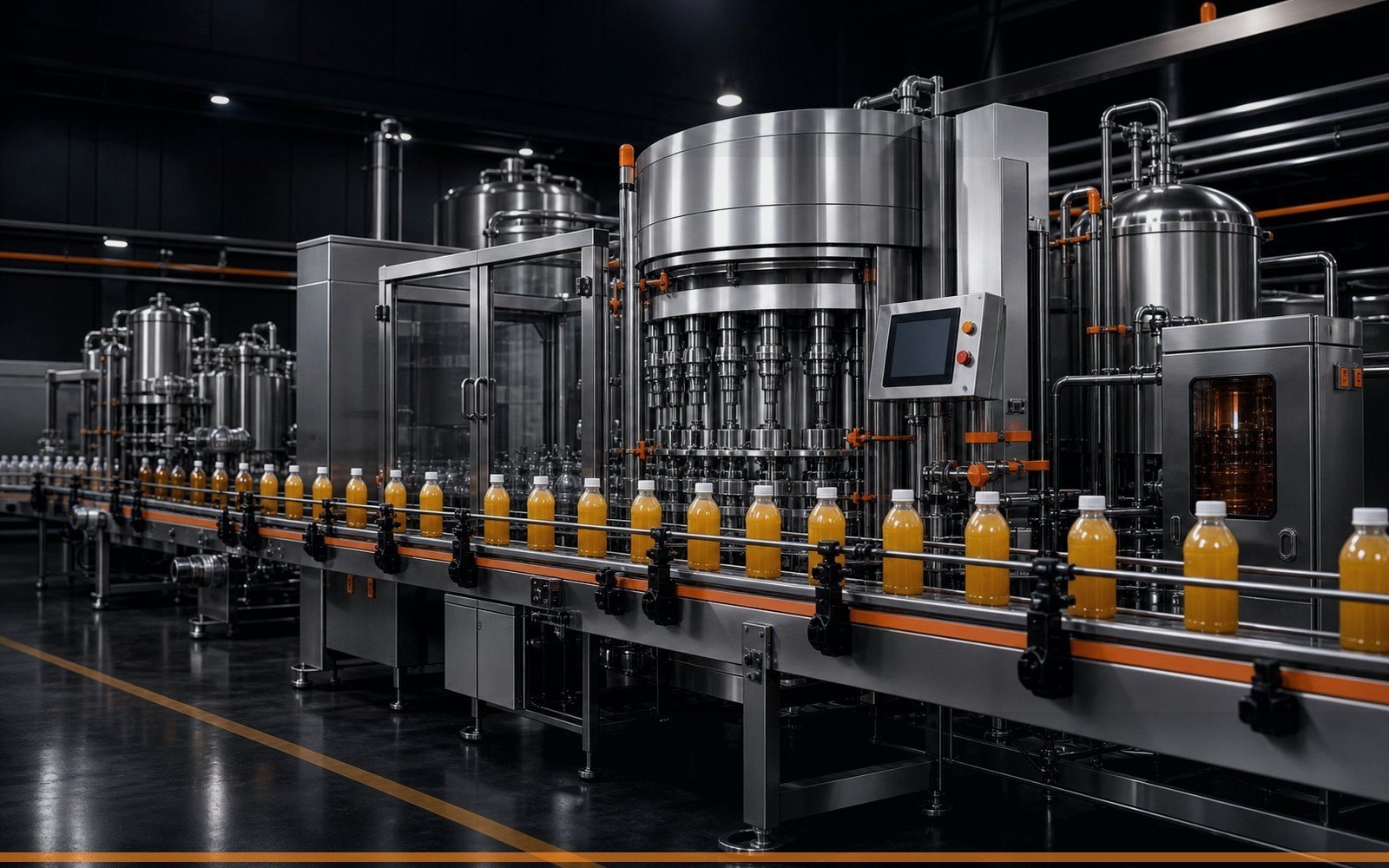
Plan the product path before selecting isolated machines
Black tea, green tea, herbal tea, milk tea and flavored tea can have different extraction, solids, sensitivity and cleaning requirements. The RFQ should separate these product families and state whether the factory receives leaf, extract or concentrate.
Color, aroma and sediment targets belong in the buyer’s validated product plan. The machinery scope then provides controlled time, temperature, filtration, transfer and filling conditions without inventing product-quality claims.
Modules to define in the quotation
Each proposal should identify included equipment, options, buyer-supplied items, utility battery limits, controls interfaces and acceptance responsibility.
Tea input boundary
Define leaf grade, bag size, extract or concentrate specification, storage conditions and expected receiving rate.
Extraction system
For leaf tea, state water ratio, temperature, time, agitation and spent-leaf discharge. Different teas may need separate recipes.
Filtration and clarification
Specify desired appearance, particle limit, filter stages, product-loss target and cleaning method.
Blending and minor ingredients
Document sugar, acids, flavors, milk or botanical additions, including order, dosing tolerance and allergen controls.
Thermal and filling route
Implement the validated process with coordinated heating, hold, diversion, buffer, filler and cooling conditions.
Campaign cleaning
Strong flavors, tea solids and milk ingredients can change product sequence, CIP recipes and circuit segregation.
Information that changes the line configuration
Use one structured data set for every supplier so quotations can be compared on the same product, package, capacity and factory duty.
| Decision area | What the buyer should provide | Engineering impact |
|---|---|---|
| Tea family | Leaf, extract or concentrate input and each finished-product family. | Defines receiving, extraction and blending. |
| Product properties | Acidity, solids, particles, milk or botanical additions and heat sensitivity. | Defines filtration, treatment and cleaning. |
| Validated process | Extraction and thermal conditions, filling temperature and storage route. | Defines process controls and filler boundary. |
| Package | PET, glass or can specifications, closures, labels and packs. | Defines packaging machinery. |
| Capacity | Batch volume, extraction cycles and saleable output by SKU. | Balances the process room with the filler. |
| Quality records | Sampling, recipe, process and finished-pack checks. | Defines instrumentation and reporting. |
Resolve these questions before freezing the equipment list
Leaf extraction versus purchased extract
These routes have different raw-material, waste, labor, tank and utility requirements. Keep both as separate quotation options.
Hot fill versus aseptic
The choice depends on product, package, shelf life, market and validated process, not on a generic technology preference.
Milk tea segregation
Milk or allergen-containing products can require dedicated storage, routes or validated cleaning beyond clear tea products.
Sediment and clarity
Define an acceptable range and test method so filtration is neither underspecified nor unnecessarily aggressive.
Send these project inputs
- Tea leaf, extract or concentrate specification
- Finished product matrix
- Validated extraction and shelf-life route
- Particle and clarity targets
- Container and pack drawings
- Batch and saleable output
- Utilities and process-room layout
- Cleaning, allergen and acceptance needs
Verify these handover points
- Extraction recipes and cycle timing checked
- Filter performance and product loss reviewed
- Critical process records verified
- Filler and cooling balance demonstrated
- Changeover and allergen controls tested
- Recipes, P&IDs and manuals delivered
Questions buyers ask before quotation
Can one line make green tea and black tea?
Often some equipment can be shared, but extraction recipes, filtration, flavor carryover, thermal process and cleaning should be reviewed.
Does the line include tea extraction?
It can, but the scope must state whether raw leaf, purchased extract or concentrate enters the factory.
Can RTD tea be hot filled?
Some products use hot fill, while others use ultra-clean, aseptic or chilled routes. The validated product and package plan determines the choice.
What is needed for a quotation?
Provide tea input, recipe families, process route, batch plan, package drawings, output, utilities and cleaning requirements.
Related equipment and buyer resources
Turn product and factory data into a comparable line scope
Send beverage type, validated process, container drawings, saleable output, utilities, factory dimensions, destination, budget range and purchase timeline.