 China Beverage Machinery
LanguageEnglish
Reusable Bottle Solution
Returnable Glass Bottle Washing and Filling Line
A returnable glass line starts with unknown bottle condition, mixed crates and potential contamination. It needs a defined return standard, decrating, sorting, washing, inspection and rejection strategy before normal beverage filling and packing can begin.
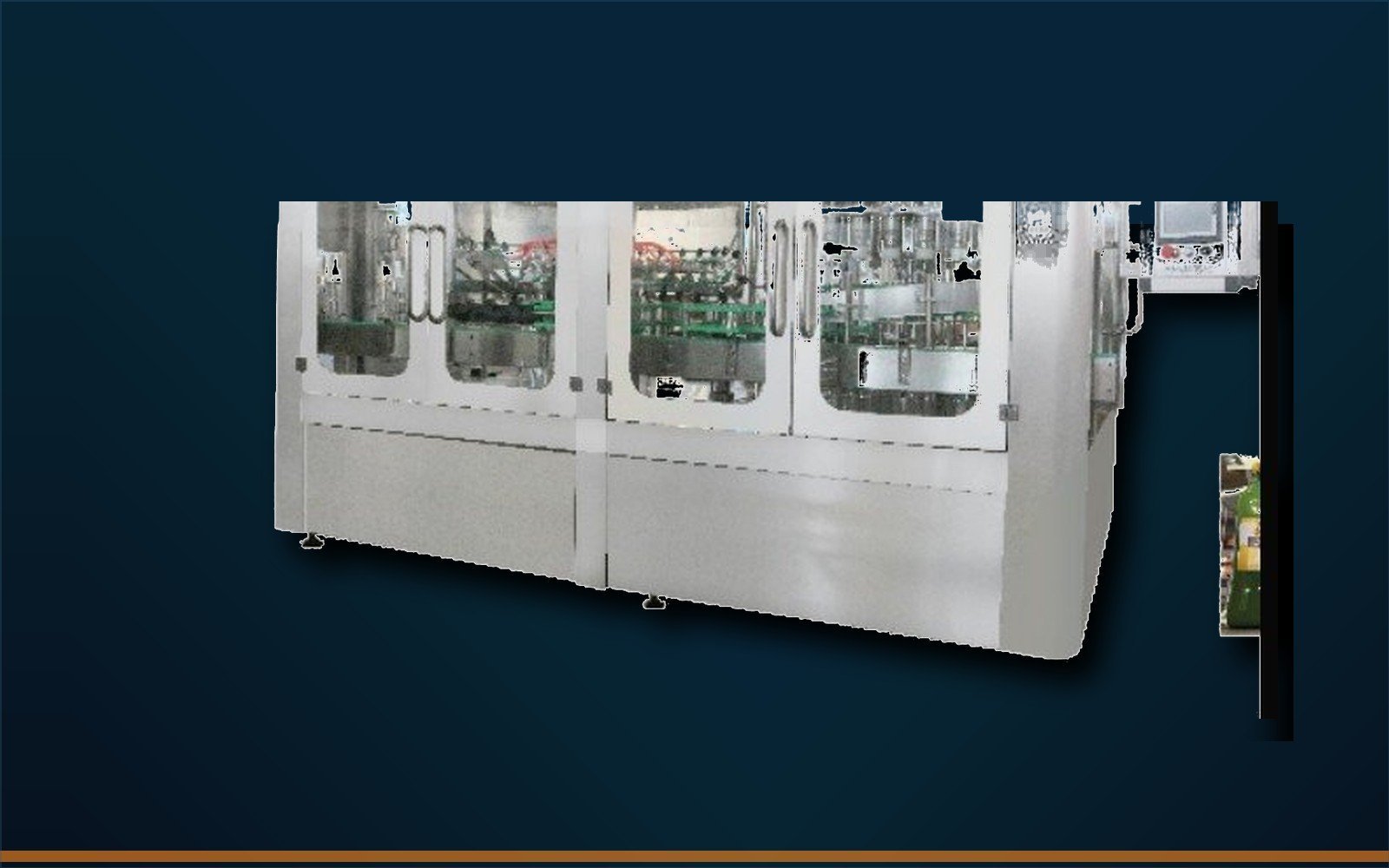
Plan the product path before selecting isolated machines
Return cycles, bottle scuffing, labels, closures and foreign objects change washer and inspection duty. Representative returned bottles should be collected before the RFQ is finalized.
Crate supply, bottle pooling, reject disposal and breakage management affect warehouse and line layout as much as the filler. The project should map the complete return loop.
Modules to define in the quotation
Each proposal should identify included equipment, options, buyer-supplied items, utility battery limits, controls interfaces and acceptance responsibility.
Return-condition survey
Sample bottles and crates across realistic routes. Record label, cap, soil, damage, foreign objects, scuffing and format mix.
Decrating and sorting
Define crate and bottle combinations, manual or automatic sorting, foreign-format rejection and line feeding.
Bottle washer
Size pre-rinse, caustic treatment, internal and external spray, heat recovery, chemical control, residue removal and discharge.
Empty-bottle inspection
Agree inspection functions, test bottles, reject verification, operator response and handling after the inspector.
Filling and post-fill process
Match beverage, bottle, closure, pasteurization or warming and label application to the validated product route.
Crate and return logistics
Plan crate washing, bottle-to-crate matching, pack inspection, pallet flow and finished-goods dispatch.
Information that changes the line configuration
Use one structured data set for every supplier so quotations can be compared on the same product, package, capacity and factory duty.
| Decision area | What the buyer should provide | Engineering impact |
|---|---|---|
| Returned bottle survey | Representative soil, labels, damage, scuffing and foreign objects. | Defines washer and inspection duty. |
| Bottle and crate matrix | Drawings, samples, pool rules and mixed-format frequency. | Defines decrating and recrating. |
| Product | Still or carbonated, filling temperature and closure. | Defines filler and post-fill treatment. |
| Capacity | Returned crates, bottles and saleable packs per hour. | Defines line balance and reject allowance. |
| Utilities | Water quality, heat, chemicals, power, air and wastewater limits. | Defines washer and treatment systems. |
| Safety | Glass breakage, chemicals, access and rejected-bottle handling. | Defines work areas and controls. |
Resolve these questions before freezing the equipment list
Bottle pool discipline
A controlled returnable-bottle pool reduces foreign formats and makes washing, inspection and line efficiency more predictable.
Washer acceptance
Use representative returned bottles and agreed cleanliness, residue, label-removal and bottle-condition checks.
Water and heat recovery
Evaluate recovery against local water, energy, chemical and wastewater conditions without making unverified savings claims.
Reject path
Plan safe collection, counting, disposal or manual review so rejected bottles do not block the line or re-enter production.
Send these project inputs
- Returned bottle and crate samples
- Return-condition survey
- Bottle pool and format matrix
- Product and closure specification
- Required saleable output
- Water, heat, chemical and wastewater data
- Inspection and rejection requirements
- Factory, warehouse and return-logistics layout
Verify these handover points
- Representative returned bottles processed
- Label and soil removal checked
- Inspection test bottles and rejects verified
- Filling and closure results recorded
- Recrating and pack flow demonstrated
- Chemical, safety and maintenance documents delivered
Questions buyers ask before quotation
Can a bottle rinser clean returnable bottles?
No. Returned bottles normally require a dedicated washer and inspection system based on actual return condition.
What samples are needed?
Collect representative bottles and crates with real labels, soil, damage, foreign objects and mixed formats from the return network.
Can one line run several returnable bottle designs?
Potentially, but washer pockets, inspectors, guides, filler parts, labels and crates must support the complete matrix.
How is washer performance accepted?
Agree test loads, cleanliness and residue checks, label removal, bottle damage, utilities and run duration before FAT.
Related equipment and buyer resources
Turn product and factory data into a comparable line scope
Send beverage type, validated process, container drawings, saleable output, utilities, factory dimensions, destination, budget range and purchase timeline.