 China Beverage Machinery
LanguageEnglish
Beer Packaging Solution
Beer Bottling and Canning Line
Beer packaging equipment should receive a defined bright-beer condition from the brewery and preserve temperature, carbonation and product quality through counter-pressure filling, closure, inspection and packing. Brewing and cellar scope should be identified separately.
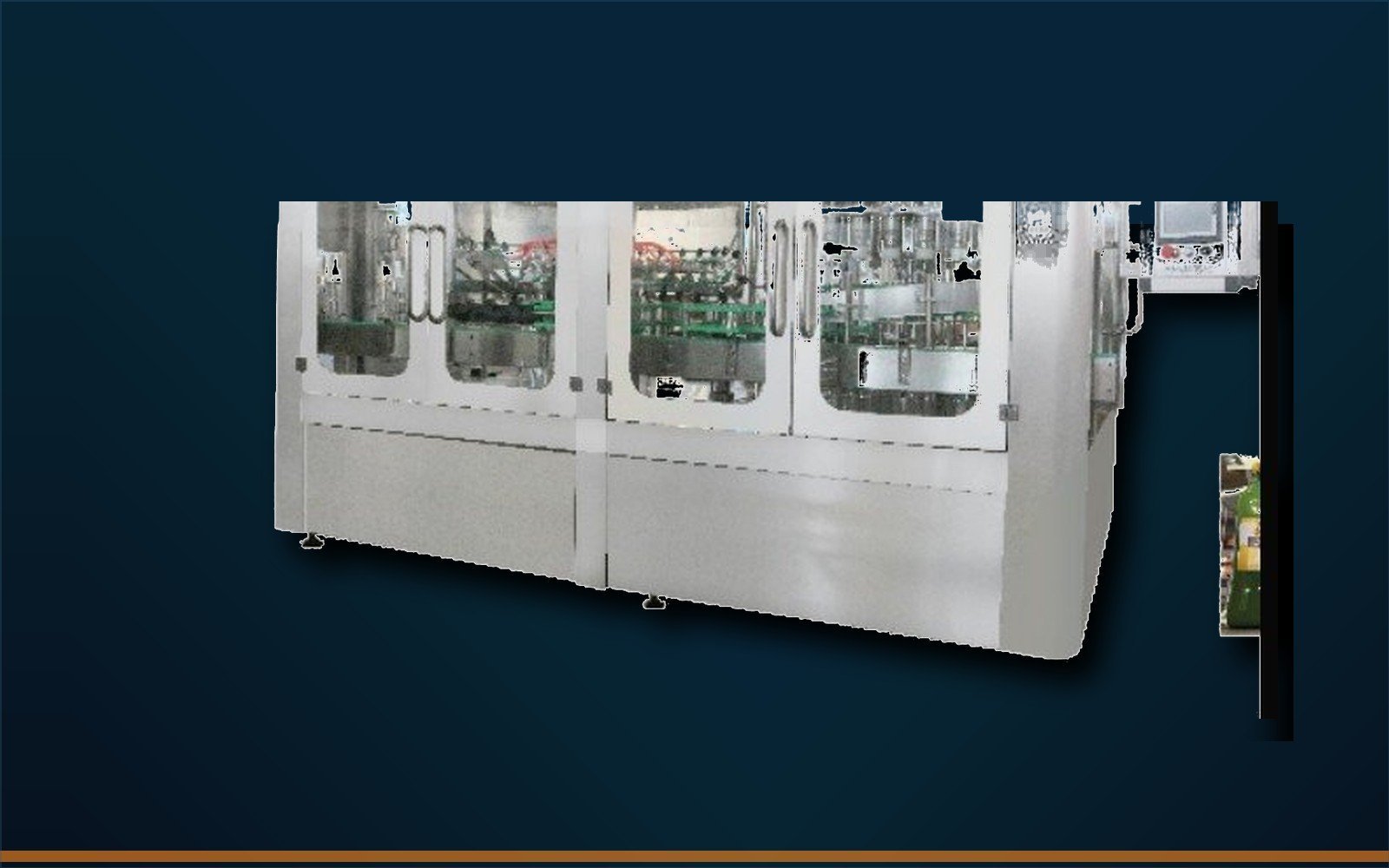
Plan the product path before selecting isolated machines
Glass bottles, cans and PET beer packages create different oxygen, pressure, closure, inspection and pasteurization decisions. The buyer should state confirmed launch formats and any future option separately.
A water-only FAT cannot demonstrate beer foaming, pickup, seam or closure behavior. The acceptance plan should identify representative beer or an agreed test protocol, instruments and responsibilities.
Modules to define in the quotation
Each proposal should identify included equipment, options, buyer-supplied items, utility battery limits, controls interfaces and acceptance responsibility.
Brewery battery limit
Define beer supply pressure, temperature, carbonation, tank location, pipe route and cleaning connection at the packaging-line inlet.
Counter-pressure filling
Filler selection depends on container, product condition, desired oxygen control, fill method and saleable output.
Bottle closure or can seam
Provide crown, cap, can body and end specifications. Include torque, seam measurement and rejected-container handling.
Pasteurization boundary
If tunnel pasteurization is part of the validated product plan, define package, product entry condition, treatment target and discharge requirement.
Inspection and coding
Scope fill-level, closure or seam, date code and reject verification without claiming unconfirmed laboratory performance.
Secondary packing
Loose bottles, trays, cartons, film, multipacks and pallets change conveyor balance, accumulation and changeover.
Information that changes the line configuration
Use one structured data set for every supplier so quotations can be compared on the same product, package, capacity and factory duty.
| Decision area | What the buyer should provide | Engineering impact |
|---|---|---|
| Beer condition | Temperature, carbonation, filtration state and supply pressure. | Defines cold transfer and filler operation. |
| Package matrix | Glass or can specification, closure or end, label and pack. | Defines container and closure equipment. |
| Oxygen controls | Confirmed measurement points and acceptance target from the buyer. | Defines process and inspection scope. |
| Output | Saleable output by SKU and pack format. | Defines balanced line capacity. |
| Treatment | Pasteurization or cold-chain plan and validated conditions. | Defines post-fill equipment. |
| FAT protocol | Test product, instruments, duration, checks and responsibilities. | Makes acceptance comparable. |
Resolve these questions before freezing the equipment list
Bottle, can or both
A dual-format project normally has separate fillers or major container-specific sections. Compare confirmed business volume before adding complexity.
Tunnel pasteurizer
Include only when required by the validated beer and distribution plan; size from package, speed and treatment profile.
Packaging-line buffer
Coordinate bright tanks, product pipe, filler stops and downstream accumulation to avoid unnecessary product loss or warming.
Actual product acceptance
Agree how beer is supplied for testing and which results are measured at factory and site.
Send these project inputs
- Bright beer condition and battery limit
- Bottle, can, closure and end drawings
- Output and package schedule
- Oxygen and product-loss acceptance plan
- Pasteurization or cold-chain requirement
- Label and final pack formats
- Utilities and brewery layout
- FAT, site testing and documentation needs
Verify these handover points
- Cold supply pressure and temperature verified
- Fill and foam behavior recorded
- Crown, cap or seam results measured
- Reject and restart sequences demonstrated
- Pasteurizer and pack balance checked
- Change parts, recipes and manuals delivered
Questions buyers ask before quotation
Does this line include brewing equipment?
This page focuses on packaging from a defined bright-beer supply. Brewing and cellar equipment should be scoped separately.
Can one filler run bottles and cans?
These packages usually require different handling and closure systems. A shared product supply does not make the packaging machinery identical.
Is tunnel pasteurization always required?
No. It follows the validated product and distribution plan.
What should be tested with beer?
Agree product temperature, carbonation, output, fill, foam, closure or seam, rejects, oxygen checks where specified and pack quality.
Related equipment and buyer resources
Turn product and factory data into a comparable line scope
Send beverage type, validated process, container drawings, saleable output, utilities, factory dimensions, destination, budget range and purchase timeline.