 China Beverage Machinery
LanguageEnglish
Planning reference
Carbonated Drink Line Planning Reference
A planning reference for soda, sparkling water and carbonated soft drink production lines.
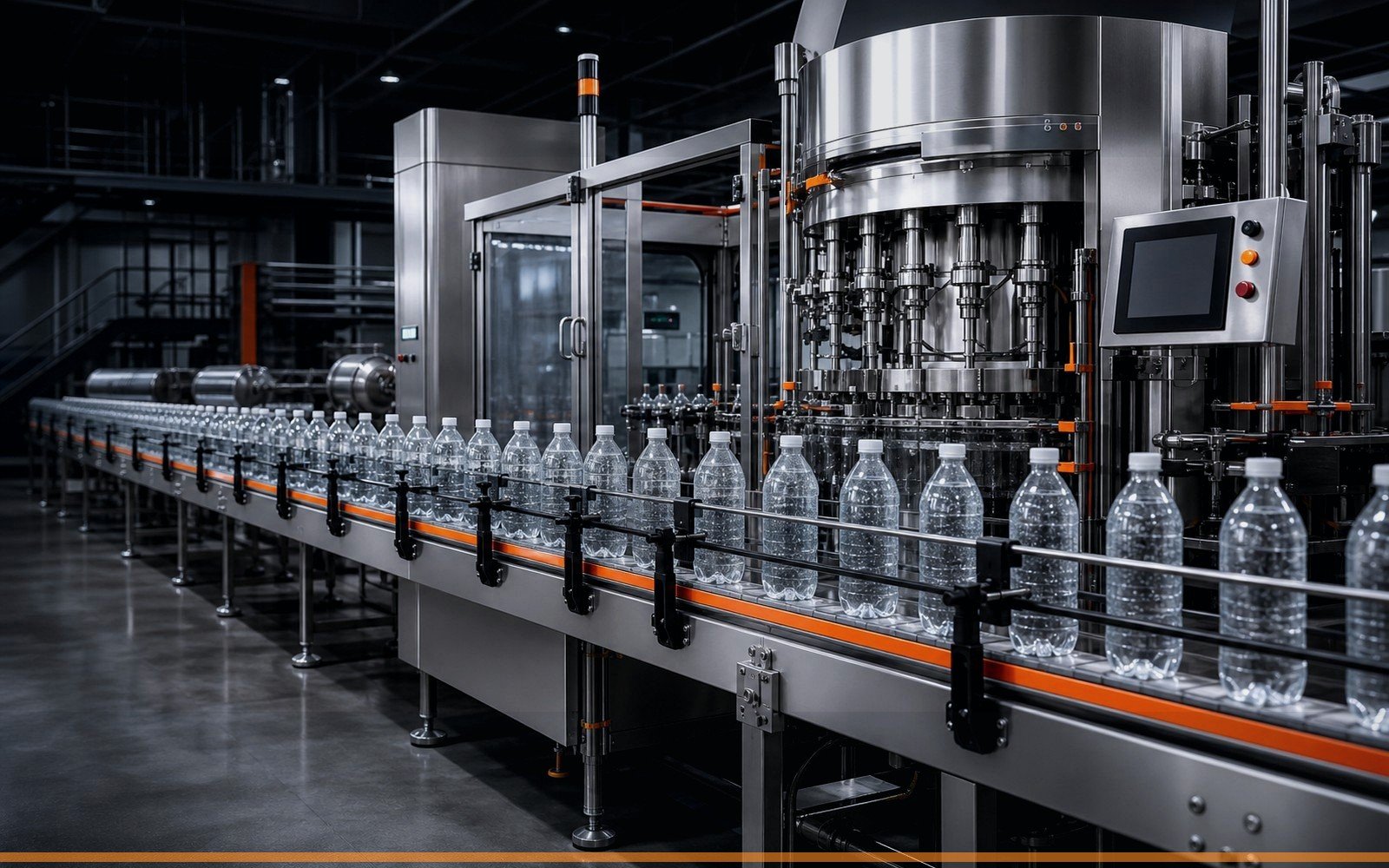
Typical Configuration Reference
This is an example planning scope, not a fake case study or installed project claim.
| Project part | Planning reference |
|---|---|
| Product | Carbonated soft drink or sparkling water |
| Scope | Mixing, chilling, CO2 mixer, pressure filling, closure and packing |
| Container | PET bottle, glass bottle or can |
| Key risk | CO2 level, filling temperature and foam control affect configuration |
Buyer Preparation
Prepare these details before requesting supplier quotations.
- Carbonation level
- Container and closure
- Need for mixer/chiller
- Packing format and line speed
Related Next Steps
Use these pages to move from example scope to real quotation discussion.
carbonated drink filling line
Related planning, product or resource page.
solutions carbonated soft drink plant
Related planning, product or resource page.
can filling line
Related planning, product or resource page.
Prepare Your Beverage Line Quotation
Send your product type, container size, target capacity, destination country and required equipment scope. We will help prepare a practical configuration and quotation discussion.
Protect the cold carbonated product path
Engineering basis
Carbonated output depends on stable blending, chilling, carbonation and pressure transfer before the filler. Map pipe length, elevation, buffer volume, product temperature, CO2 range and restart behavior so foaming and product loss are not treated as filler-only problems.
Quotation and handover
The project reference should also define bottle or can pressure capability, closure or seam checks, warmer or drying duty, labels and pack material. Record saleable output by SKU and final pack rather than accepting one nominal filler speed for every format.
Keep assumptions visible
Final equipment depends on confirmed product, package, saleable output, utilities, factory conditions, destination requirements and acceptance responsibilities. Unconfirmed items should remain documented assumptions or separately priced options.