 China Beverage Machinery
LanguageEnglish
Equipment module guide
Beverage Coding and Inspection System
A beverage coding and inspection system should be selected as an interface inside the complete beverage line, not as an isolated catalog item. Its duty starts with filling and closing and must deliver a controlled condition to packing and palletizing.
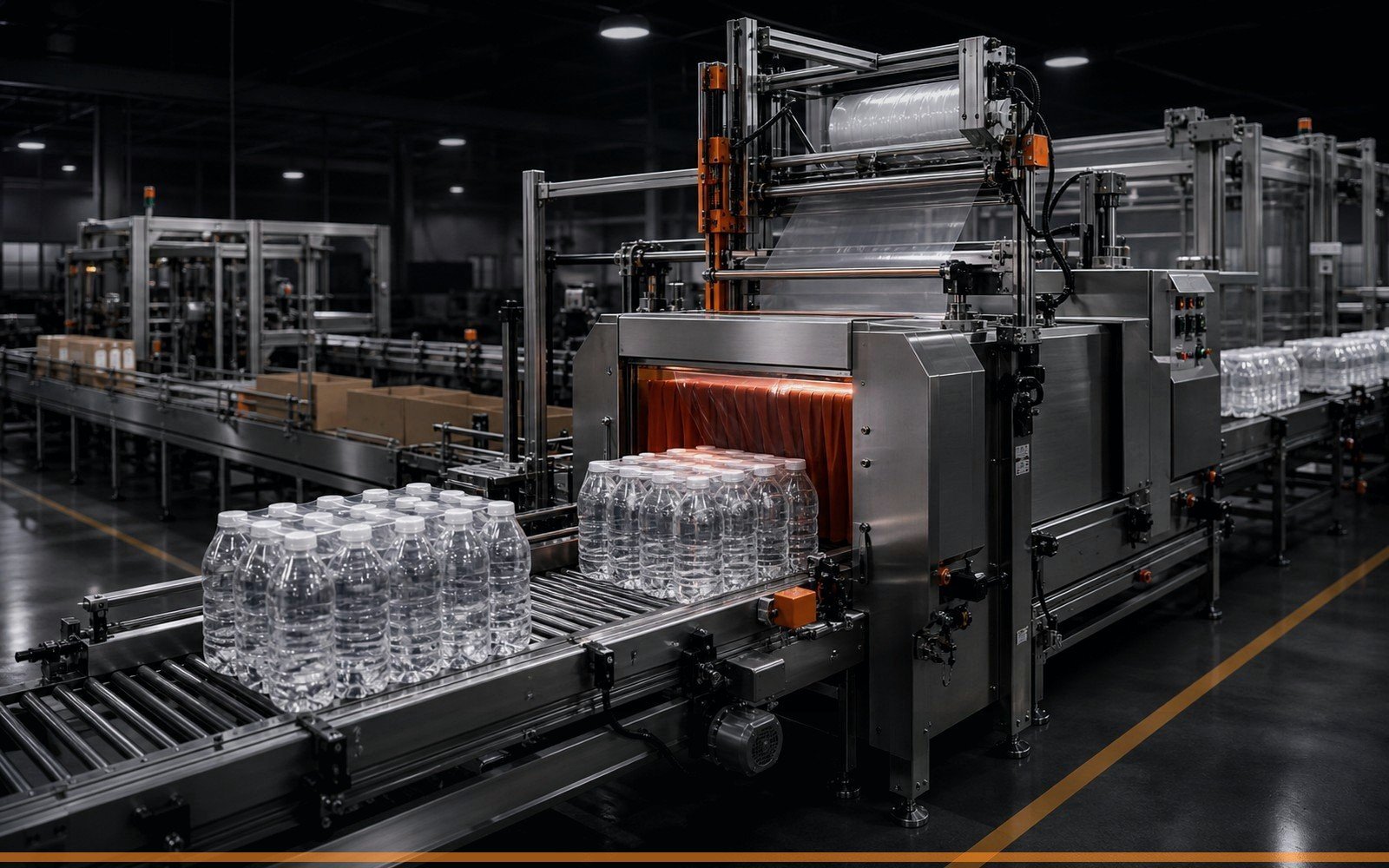
Start with the operating case, not a machine name
The engineering purpose is to verify code, fill, cap, label and package conditions at defined control points. The supplier needs the operating envelope, not only one nominal flow rate, because startup, normal production, short stops, cleaning and format change can create different peak conditions.
Define the battery limits around filling and closing and packing and palletizing. List mechanical, product, utility, electrical, controls, sanitation, access and documentation interfaces so missing pumps, tanks, conveyors, instruments or connections remain visible in the quotation.
Questions that change the equipment configuration
Ask every supplier to address the same product, package, capacity, utility, controls and acceptance basis. This creates a comparable proposal and exposes unpriced interfaces before the order.
Required inspection points
Specify required inspection points from the actual product, package and operating schedule. Record the normal range, credible extremes and the condition that must be protected during stops or cleaning.
Reject logic
Review reject logic together with upstream and downstream equipment. The proposal should identify instrumentation, control response, utility duty, operator access and the acceptance evidence.
Code content
Specify code content from the actual product, package and operating schedule. Record the normal range, credible extremes and the condition that must be protected during stops or cleaning.
Camera and sensor access
Review camera and sensor access together with upstream and downstream equipment. The proposal should identify instrumentation, control response, utility duty, operator access and the acceptance evidence.
Data records
Specify data records from the actual product, package and operating schedule. Record the normal range, credible extremes and the condition that must be protected during stops or cleaning.
Challenge tests and reject confirmation
Review challenge tests and reject confirmation together with upstream and downstream equipment. The proposal should identify instrumentation, control response, utility duty, operator access and the acceptance evidence.
Information to send with the inquiry
Provide the confirmed data below and mark anything still open. The supplier should return a deviation and assumption list instead of turning missing information into an unsupported promise.
- Product or water specification and temperature
- Normal, minimum and peak process duty
- Upstream and downstream interface conditions
- Production, changeover and cleaning schedule
- Available utilities and connection quality
- Factory elevation, access and drainage
- Control signals, data and alarm requirements
- Test materials and acceptance records
Compare the tradeoffs before freezing the scope
Standalone skid or integrated control
Choose from interface complexity, operator workflow, data needs and responsibility. Integration should have an agreed signal list and failure response.
Nominal capacity or operating envelope
Size around simultaneous peaks, turndown, starts, stops and cleaning. A single nominal figure can hide unstable operation at real conditions.
Manual or automated operation
Use product risk, frequency, traceability and labor capability. Automation should make critical states visible and recoverable, not only add a touchscreen.
Initial duty or future connection
Document reserved space, valves, controls and utility capacity for credible expansion without purchasing unconfirmed product-contact scope.
Keep these boundaries visible
- Included equipment and local interconnections
- Optional modules and future provisions
- Buyer-supplied utilities, materials and local works
- Mechanical, electrical and controls battery limits
- Installation, commissioning and training responsibility
- Test materials, pass criteria and handover documents
Verify before final handover
- Inlet and outlet conditions recorded
- Normal and peak duty demonstrated
- Interlocks and alarms challenged
- Cleaning and drainability reviewed
- Operator and maintenance access checked
- Drawings, settings, manuals and spares delivered
Questions buyers ask before quotation
How is beverage coding and inspection system sized?
Start with the product or water data, operating range, production schedule, upstream and downstream conditions, utilities, cleaning duty and acceptance method. Do not size from filler speed alone.
What should the supplier include?
Request the equipment, instruments, local piping and wiring, controls, guards, access, utility connections, documentation, commissioning parts and explicitly listed exclusions.
Can it be added to an existing line?
Possibly, after a site survey confirms process conditions, physical interfaces, controls, sanitation, utilities, shutdown window and a measurable retrofit acceptance plan.
What proves the module is ready for handover?
Recorded operating tests, alarm and interlock checks, cleaning review, approved drawings, parameters, software backups, manuals, spare-parts data and closed punch-list items.
Related beverage machinery guides
Turn the inquiry into a comparable equipment scope
Send beverage type, package drawings, saleable capacity, factory layout, utilities, destination, budget range, purchase timeline and acceptance expectations.