 China Beverage Machinery
LanguageEnglish
Beverage Filling Line Maintenance and Spare Parts Guide
A filling line should be purchased with a practical spare-parts and maintenance plan. This reduces downtime after installation and helps buyers compare suppliers beyond the initial equipment price.
Request quotation support | RFQ checklist | Capacity calculator
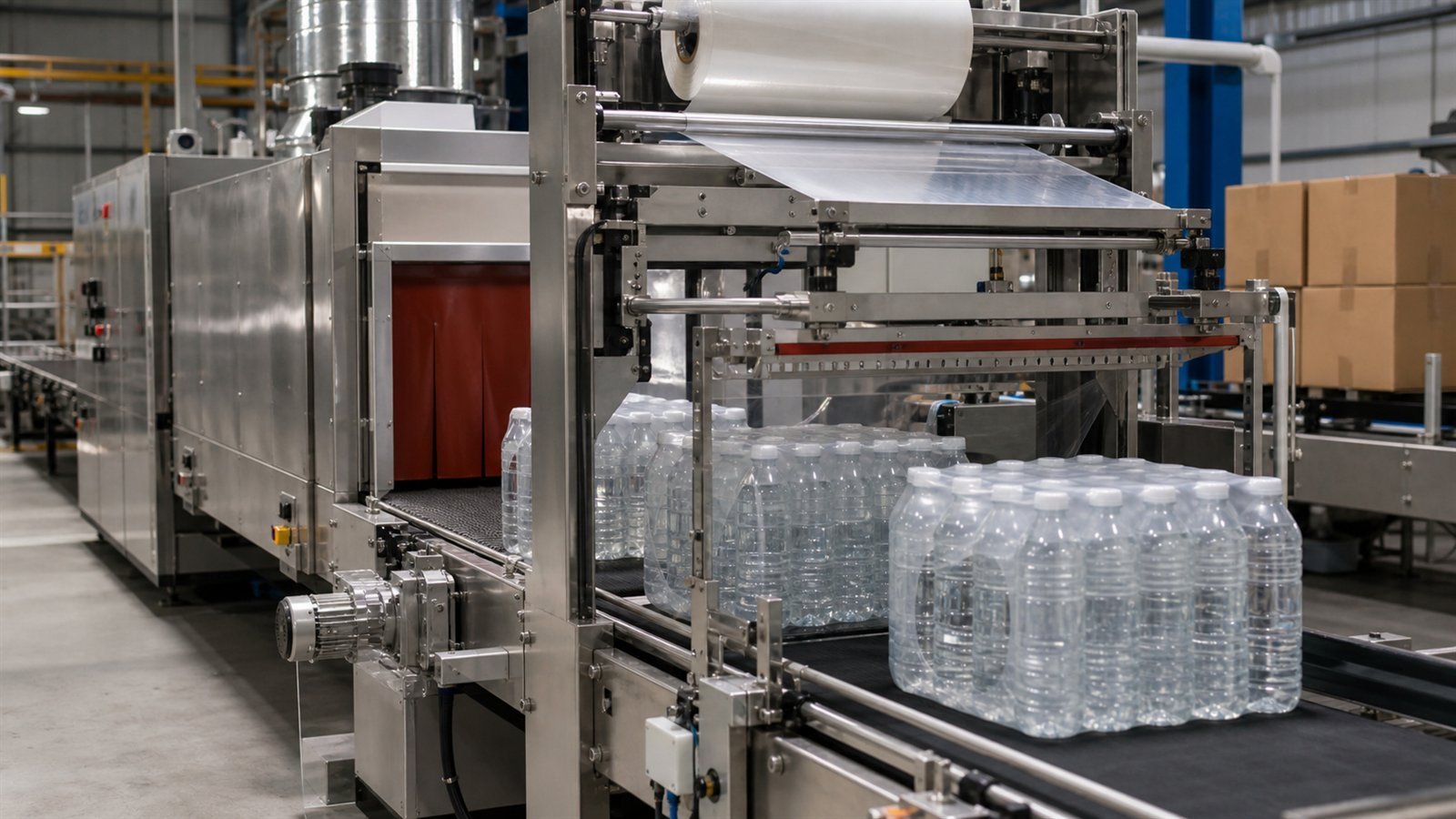
Spare parts groups to discuss
Wear parts
Seals, gaskets, grippers, filling valves, capping heads, belts, sensors and pneumatic components should be listed by machine module.
Utilities and treatment
Filters, membranes, pump seals, UV lamps and cleaning-related components may affect water quality and line uptime.
Controls and documentation
Confirm PLC/HMI backup, electrical drawings, alarm list, manuals and recommended preventive maintenance schedule.
Maintenance planning table
| Area | Planning item | RFQ question |
|---|---|---|
| Filling and capping | Valve cleaning, capper wear, seals, torque checks. | Which spare parts are recommended for the first operating period? |
| Conveyors and packing | Belts, guides, chains, sensors, film cutting/sealing parts. | Which downstream parts commonly limit output if they fail? |
| Automation | PLC backup, HMI screens, sensors, inverters and wiring diagrams. | Can the supplier provide remote support and replacement part identification? |
Buyer FAQ
Should spare parts be included in the first order?
Yes, at least a recommended startup spare-parts package should be discussed before shipment.
How does maintenance affect SEO-level buyer intent?
Buyers searching maintenance and spare parts are often already comparing suppliers or preparing a real project, so the page should support quotation decisions.
What should I ask the supplier?
Ask for a machine-by-machine spare-parts list, maintenance schedule, manuals, electrical drawings and remote support process.
Build the first-year maintenance plan by failure consequence
Do not buy one generic spare-parts box. Classify components by safety, product integrity, line-stop consequence, lead time and local availability. A critical sensor, filling-valve seal, capper component, drive or PLC part may deserve on-site stock even when its replacement frequency is low. Commodity hardware can often be sourced locally when the exact specification is documented.
Critical line-stop parts
Identify single-point failures for the filler, capper, pumps, conveyors, labeler, packer, utilities and controls. Record manufacturer, model and approved substitute.
Preventive replacement parts
Link seals, belts, chains, bearings, filters, lamps and wear components to inspection intervals, operating hours or condition checks.
Change and format parts
Keep bottle guides, starwheels, capper parts, label and pack change parts identified by SKU so operators do not improvise during changeover.
Maintenance handover records
| Record | Minimum content | Why it matters |
|---|---|---|
| Asset register | Machine, module, serial number, motor, gearbox, instrument and control component. | Connects every spare and task to the installed asset. |
| Lubrication plan | Point, lubricant, quantity, interval and safe access method. | Prevents missed points and incompatible lubricants. |
| Backup package | PLC, HMI, drive parameters, recipes and recovery instructions. | Supports controlled restoration after component failure. |
| Inspection route | Leaks, noise, vibration, torque, temperature, pressure, chain and guide condition. | Finds deterioration before it becomes a line stop. |
Ask suppliers to distinguish included commissioning spares, recommended operating spares and optional long-lead critical spares. Quantities should follow the real machine configuration and operating plan.
Prepare a clear beverage line RFQ
Send product type, container, capacity, country, factory space and purchase timeline. The quotation discussion can then focus on equipment scope instead of basic clarification.
Continue the technical comparison
Use the most relevant planning and service pages instead of treating each machine as an isolated purchase.