 China Beverage Machinery
LanguageEnglish
Beverage Line Installation and Commissioning Timeline
Installation and commissioning planning should start before shipment. Buyers need to coordinate factory readiness, utilities, unloading, installation tools, operators, raw materials and acceptance criteria.
Request quotation support | RFQ checklist | Capacity calculator
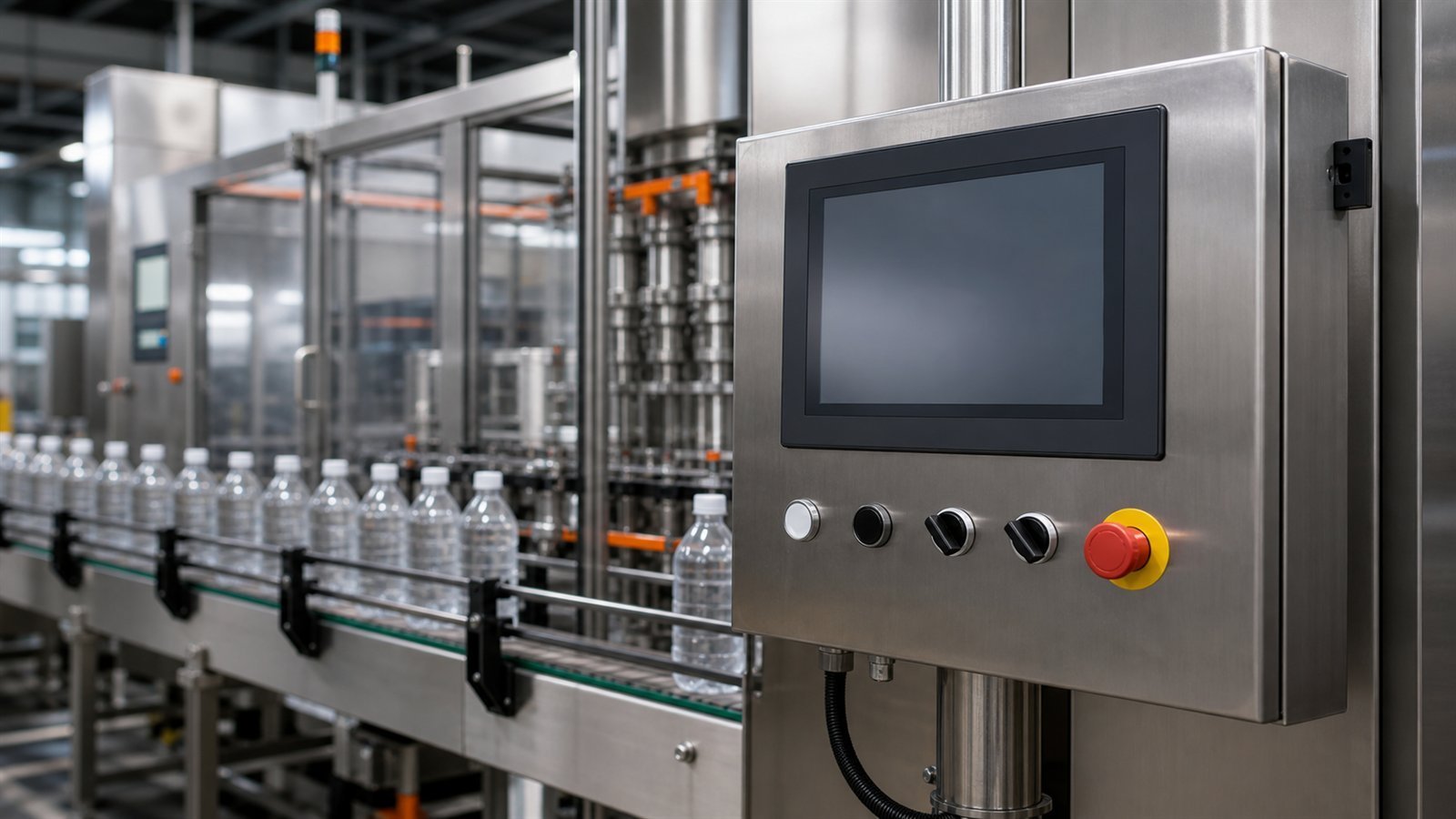
Typical project stages
| Stage | Buyer preparation | Supplier preparation |
|---|---|---|
| Before production | Confirm product, container, capacity, layout, utilities and local compliance requirements. | Confirm equipment scope, drawings, power standard, control language and packing plan. |
| Before shipment | Prepare site floor, power, water, air, drainage, unloading equipment and installation team. | Prepare packing list, shipment dimensions, manuals, spare parts list and commissioning plan. |
| On-site commissioning | Provide bottles/cans, caps, labels, film, raw materials, operators and utility supply. | Install, align, test single machines, link the line, train operators and record acceptance items. |
Acceptance points to agree early
Stable running
Define test product, container, target speed, test duration and acceptable stop reasons.
Package quality
Check fill level, cap torque or sealing, label position, coding, packing appearance and leakage.
Training handover
Record operator training, maintenance points, spare parts, alarm handling and cleaning procedures.
Buyer FAQ
When should installation planning begin?
Start during quotation, because layout, utilities and access affect both equipment configuration and installation work.
Can commissioning be remote?
Some troubleshooting and training can be remote, but complete line installation usually requires qualified on-site support or a prepared local engineering team.
What materials are needed for commissioning?
Prepare bottles or cans, caps, labels, film, cartons if used, product or test liquid, utilities and trained operators.
Use readiness gates instead of one promised date
Installation and commissioning duration depends on site readiness, shipment release, utility completion, local labor, test materials and acceptance scope. Manage the project through documented gates: approved layout, foundation and drainage readiness, utilities at battery limits, equipment receipt inspection, mechanical completion, electrical energization, dry testing, wet testing, product trial, training and final handover.
Before shipment
Freeze the equipment list, interface drawings, packing list, lifting plan, test materials, visa or site-access requirements and responsibilities for local contractors.
Before energization
Confirm voltage, protection, grounding, compressed air, water, drains, lighting, safe access and permits. Record open items instead of starting around missing utilities.
Before product trial
Provide approved ingredients, bottles, caps, labels, film or cartons, laboratory support, operators and a written acceptance procedure.
Handover evidence
Close the project with an as-built equipment list, drawings, PLC/HMI backup, parameter records, manuals, spare-parts list, training attendance, acceptance data and a signed open-action list with owners and due dates. This evidence is more useful than a single statement that commissioning is complete.
Prepare a clear beverage line RFQ
Send product type, container, capacity, country, factory space and purchase timeline. The quotation discussion can then focus on equipment scope instead of basic clarification.
Control Pre-Shipment Acceptance
Define the FAT before equipment shipment, then carry open interface items into installation and SAT.