 China Beverage Machinery
LanguageEnglish
Buyer resource
Water Bottling Line Cost: Equipment, Installation and OPEX
Water bottling line cost has three different meanings: the quoted equipment price, the installed project budget, and the cost of operating the line. Compare all three using the same bottle, output, supply boundary and production schedule.
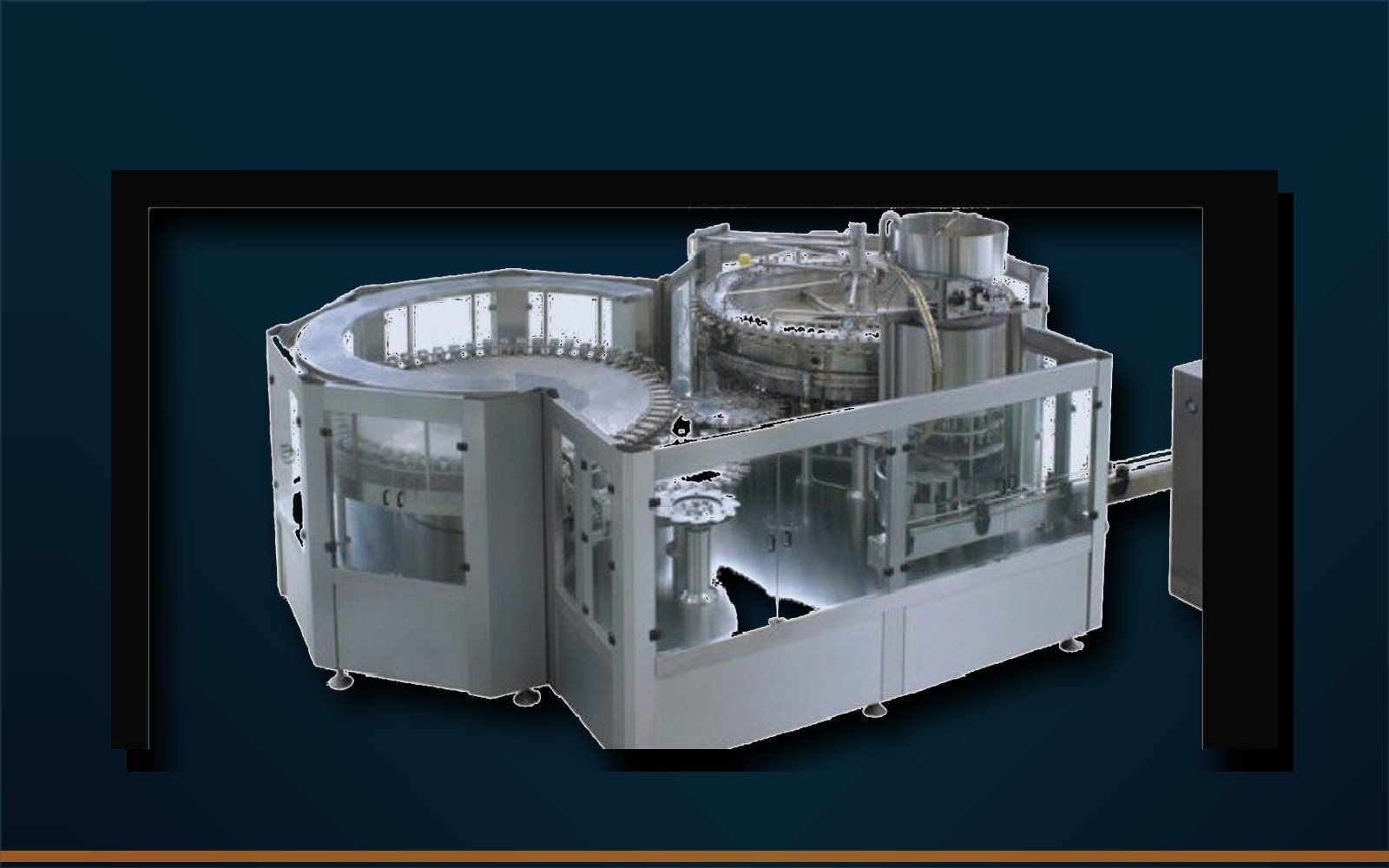
Compare quotations with a common cost boundary
| Cost group | Items to include or explicitly exclude |
|---|---|
| Treatment and product water | Pretreatment, treatment, tanks, distribution, instruments and required sanitation scope. |
| Bottle supply | Finished-bottle feeding or a blower, molds, compressors, air treatment, cooling and bottle transfer. |
| Filling and closing | Rinsing/filling/capping, cap supply, format parts, inspection and connecting conveyors. |
| Labeling and packing | Labeler, dryer if needed, coder, wrapper/carton equipment, tunnel, pack conveyors and pallet handling. |
| Site integration | Layout, local services, electrical work, piping, drainage, installation and commissioning responsibilities. |
| Delivery and readiness | Export preparation, freight basis, destination handling, test materials, training, initial spares and required documentation. |
State the currency, quotation validity and delivery basis beside every offer. Ask the supplier to list assumptions, exclusions and buyer-supplied work. Destination duties and local compliance costs require project-specific advice; they should not disappear simply because they are outside the machinery offer.
Why the same BPH can produce different prices
Two 10,000 BPH quotations may cover very different factories. One may assume purchased empty bottles and existing treatment, while the other includes bottle blowing, compressed air and a new treatment system. Another may quote that speed only on a small reference bottle.
| Comparison question | How to normalize the offers |
|---|---|
| What is the reference package? | Use the same bottle, cap, label, pack and accepted output for each confirmed SKU. |
| What equipment is retained? | List existing assets and the measured interfaces and capacities on which the upgrade relies. |
| Which utilities are included? | Separate machine connections from compressors, chillers, services and local installation. |
| What does commissioning include? | State travel, duration, local labor, materials, training, test method and handover documents. |
| What is optional? | Price future formats, palletizing and other options separately from the launch scope. |
Use a comparison sheet with columns for supplier price, included scope, missing scope, evidence and unresolved assumption. Do not rank offers by total alone until the material differences have been priced or explicitly accepted.
Calculate operating cost per saleable bottle
Annual saleable bottles = reference BPH × production hours per day × production days per year × an agreed combined output factor. Define the factor so that downtime, speed loss and rejects are accounted for once. If planned cleaning and changeovers are removed from production hours, do not subtract them again in the factor.
Illustrative output: 6,000 BPH × 8 production hours/day × 250 days/year × 75% combined output factor = 9,000,000 saleable bottles/year. At 500 ml, this is 4,500,000 liters/year. These assumptions are an example, not a promised factory result.
Cash operating cost per bottle = annual cash operating expenses ÷ annual saleable bottles. Keep all entries in the same currency and accounting period. If you compare ownership cost, show depreciation, financing and other capital-related items separately from cash operating expense.
| Operating input | Data to collect |
|---|---|
| Packaging | Delivered preform or bottle, cap, label, film/carton and pallet-related cost, including measured rejects. |
| Utilities | Metered or supplier-estimated electricity, compressed air, water, heat and cooling at a defined equipment boundary. |
| Labor | Staffing by shift for production, material replenishment, cleaning, inspection and maintenance. |
| Service and consumables | Planned spares, filters, treatment/cleaning consumables and scheduled servicing. |
| Quality and waste | Sampling, inspection, product loss and disposal relevant to the actual operation. |
For sensitivity, reducing the example output factor from 75% to 60% changes annual saleable output from 9.0 million to 7.2 million bottles. Any unchanged annual fixed operating-cost portion is then spread over 20% fewer bottles, increasing that portion per bottle by 25%. Variable packaging cost does not follow that same fixed-cost calculation.
Prepare the information that makes a budget usable
- Water source and available analysis; target finished-water requirements.
- Bottle volumes, dimensions, caps, labels and finished-pack patterns.
- Required saleable daily/monthly output, production days, shifts and launch formats.
- Purchased bottles versus on-site blowing; existing equipment to retain.
- Factory dimensions, utilities, installation constraints and destination.
- Requested delivery basis, commissioning, training, spares and acceptance evidence.
- Separate launch requirements, optional future scope and unresolved decisions.
Allot Tech (Suzhou) Co., Ltd. can use this scope to structure a machinery sourcing and configuration discussion. A project-specific quotation should identify the equipment and responsibility boundaries before a price is treated as a complete factory budget.
Frequently asked questions
What is the price of a complete water bottling line?
A meaningful price requires a defined bottle, saleable capacity, treatment route, bottle supply, packing method and installation boundary. A filler-only or reference-package price is not a complete installed project budget.
Is bottle blowing always cheaper than buying bottles?
No. Compare capital scope, preform and delivered-bottle costs, compressed air, electricity, labor, storage, freight and quality losses at the same output. The result depends on the project.
Should OEE and an efficiency allowance both be applied?
Only if they represent separate, clearly defined losses. Applying a combined output factor and then subtracting the same downtime or rejects again understates output.
Prepare your equipment scope
Send the approved product and package information, required accepted output, factory conditions, destination and purchasing timeline. Mark provisional specifications clearly so that the quotation can identify assumptions and alternatives.
Planning guide from Allot Tech (Suzhou) Co., Ltd. Updated 14 September 2026.
Match Cost Discussion to a Real Capacity Scope
A useful budget discussion starts with the target output, bottle formats, treatment process and packing method.