 China Beverage Machinery
LanguageEnglish
From commissioned equipment to repeatable production
Beverage Line Startup and Production Ramp-Up Plan
Startup is the controlled transition from installed equipment to repeatable saleable output. A ramp-up plan separates readiness, machine, product, package, utility, operator and line-integration issues, then increases the operating challenge only after the previous stage has evidence and accountable open actions.
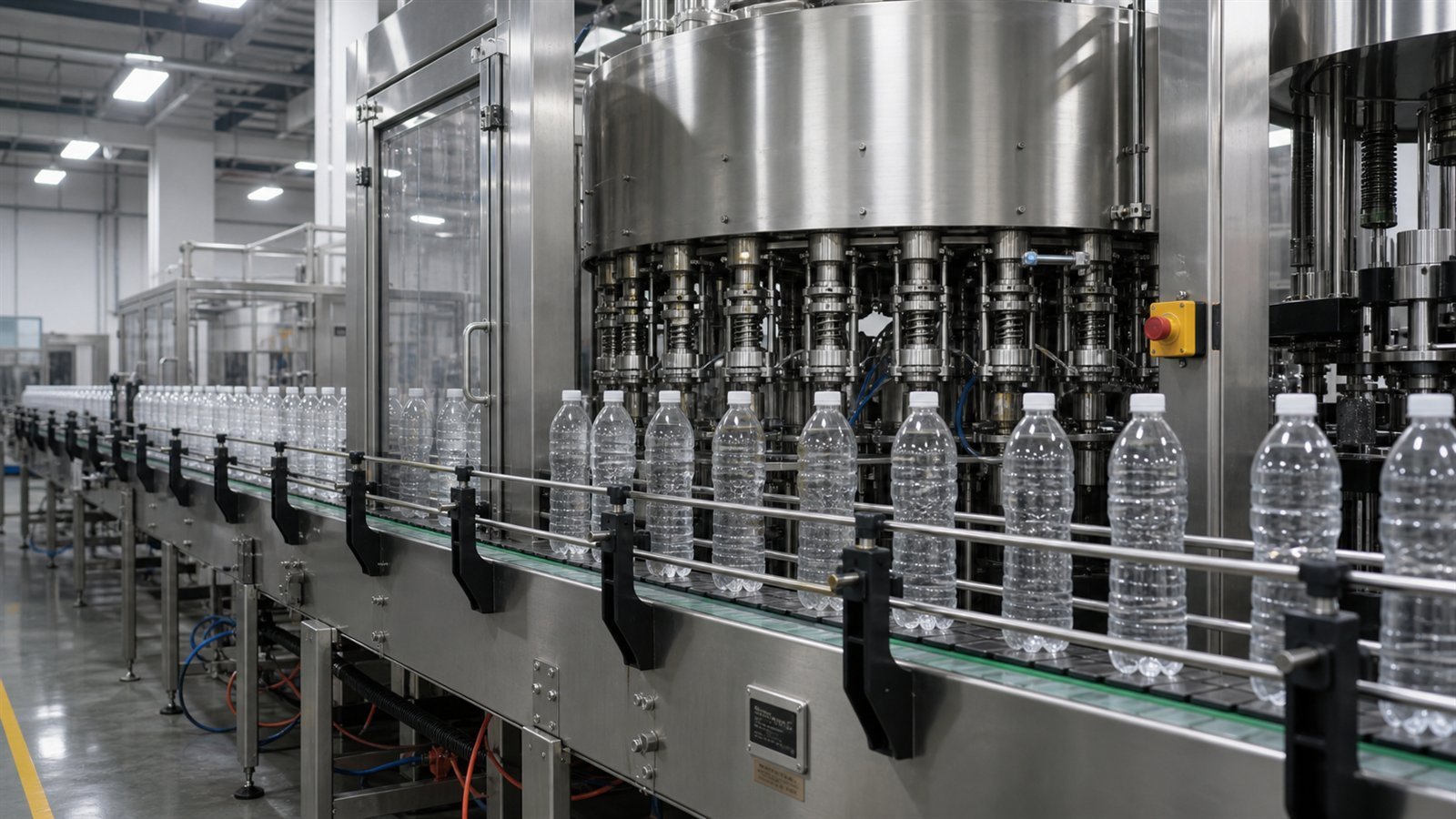
How should a new beverage line be ramped up?
Confirm site, utility, safety, material and document readiness first. Test individual machine functions, then dry interfaces, water or approved utility trials, product and package trials, integrated line behavior and an agreed saleable-output run. Record stops, rejects, quality results, settings, operator actions and ownership of each issue. Increase duration, format variety or output only after the current stage is stable enough to protect product quality and people.
Project boundary: This planning sequence does not replace the equipment supplier's procedures, local safety controls, product validation, sanitation program or the buyer's quality release authority. Final startup conditions are project specific.
Move the decision forward without hiding open inputs
Keep one reference product, package and project revision through the sequence. Record assumptions and assign owners whenever the next decision depends on data that is not yet confirmed.
Use stage gates instead of one long first production run
Each stage should have entry conditions, the planned work, measurable evidence and an agreed response to failure. The table is a framework; the approved commissioning and quality plans control the real sequence.
| Ramp-up stage | Work to complete | Evidence before advancing | Typical open-item owner |
|---|---|---|---|
| Site readiness | Verify access, installation completion, guards, safe isolation, utilities, drains, materials, staffing, cleaning readiness and approved documents | Signed readiness check and prioritized open-action list | Buyer site lead with supplier and local contractors |
| Individual machines | Check direction, manual functions, sensors, alarms, interlocks, recipes, lubrication and safe stop or restart behavior | Machine-level test sheets and corrected critical faults | Responsible equipment or controls party |
| Dry integrated line | Test handoffs, conveyor zones, starved and blocked logic, accumulation, emergency response and recovery without product | Interface and stop-recovery record | Line integrator plus affected machine owners |
| Approved-media trial | Check rinsing, water or other approved trial media, drains, filling path, leakage, closure handling and cleaning or sanitation functions in scope | Leak, function and sanitation readiness records | Process, packaging and site utility owners |
| Product and package trial | Run approved ingredients, containers, closures, labels and packs while checking quality, rejects, settings and operator work | Accepted samples, quality results, stop log and settings baseline | Quality authority, production and supplier specialists |
| Saleable-output run | Use the agreed reference SKU, counting point, conditions, exclusions, sampling and measurement period | Signed result, deviation list and retest decision | Parties named in the acceptance protocol |
| Format and changeover | Demonstrate agreed format changes, recipes, change parts, cleaning needs, first-good-pack checks and restart stabilization | Changeover record, accepted packs and updated instructions | Production, quality and equipment owners |
| Stabilization and handover | Repeat production, classify recurring losses, close critical punch items, complete training and transfer documents, spares and support routes | Stable operating record and accepted handover package | Buyer operations with defined supplier follow-up |
Classify the loss before changing the machine
Use the following controls as a decision method, not as a claim that every beverage project has the same design or commercial terms.
Issue source
Record whether the initiating cause is product, package, utility, machine, controls, upstream supply, downstream blockage, operator method or still unknown. A symptom at the filler may begin elsewhere in the line.
Evidence and containment
Capture timestamp, SKU, operating state, photos or alarms, measured result and temporary containment. Protect quality and safety first; do not erase useful evidence through repeated uncontrolled adjustments.
Change and verification
Assign an owner, approve the change, record settings or parts affected and define the verification run. Update instructions and backups when the accepted operating baseline changes.
Ramp-up readiness and daily review checklist
- The reference product, package, expected output and quality release method are approved.
- Required utilities are available at the agreed connection conditions and peak demand.
- Operators, maintenance, quality, supplier and contractor roles are scheduled by stage.
- Commercial containers, closures, labels, packs and ingredients have been qualified for the trial scope.
- Current drawings, recipes, settings, manuals and safe working procedures are available.
- Stop, reject, quality and open-item logs use one naming and time basis.
- Critical issues have containment, owner, due date and retest method.
- Accepted setting changes are transferred to controlled recipes, backups and instructions.
- Training covers normal operation, cleaning, changeover, response and basic fault evidence.
- The handover decision states residual risks, support route and the next production review date.
Startup practices that hide the real constraint
Frequently asked questions
These answers establish a planning method. Signed project documents, approved samples and responsible engineering reviews control the final equipment and obligations.
Is startup the same as commissioning?
Commissioning proves installed functions and interfaces through an approved sequence. Startup and ramp-up continue the transition into repeatable production, operator ownership and stable saleable output. The exact boundary should be defined in the project plan.
Should the line run at full speed on the first product day?
Not as an automatic rule. The approved plan should increase operating challenge only when safety, product quality, package control, utilities and interfaces are ready and the previous-stage issues are understood.
Which metrics should be recorded during ramp-up?
Use project-relevant measures such as good output at the agreed point, stops by cause, rejects, product and package quality results, changeover duration, utility interruptions and critical open-item closure. Do not publish universal targets without a confirmed project basis.
Who owns a problem that appears between two machines?
Use the interface and responsibility matrix. Record the initiating event and evidence, then assign coordination and corrective owners instead of treating the physical location of the symptom as proof of responsibility.
When can the line be handed to routine production?
When agreed acceptance conditions are met, critical open items are closed or formally controlled, operators and maintainers can perform the required work, current documents and backups are available, and residual support routes are clear.
Related beverage line planning pages
Send the project data behind the decision
Include the beverage, package, saleable output, factory, utilities, destination, timeline and available drawings or proposals. The project team can review the relevant equipment and open interfaces without turning missing data into a fixed promise.