 China Beverage Machinery
LanguageEnglish
Beverage factory engineering guide
Beverage Cap Torque and Closure Quality Control
Specify beverage closure application, cap torque, removal torque, neck compatibility, seal integrity, inspection, sampling and acceptance across the operating window.
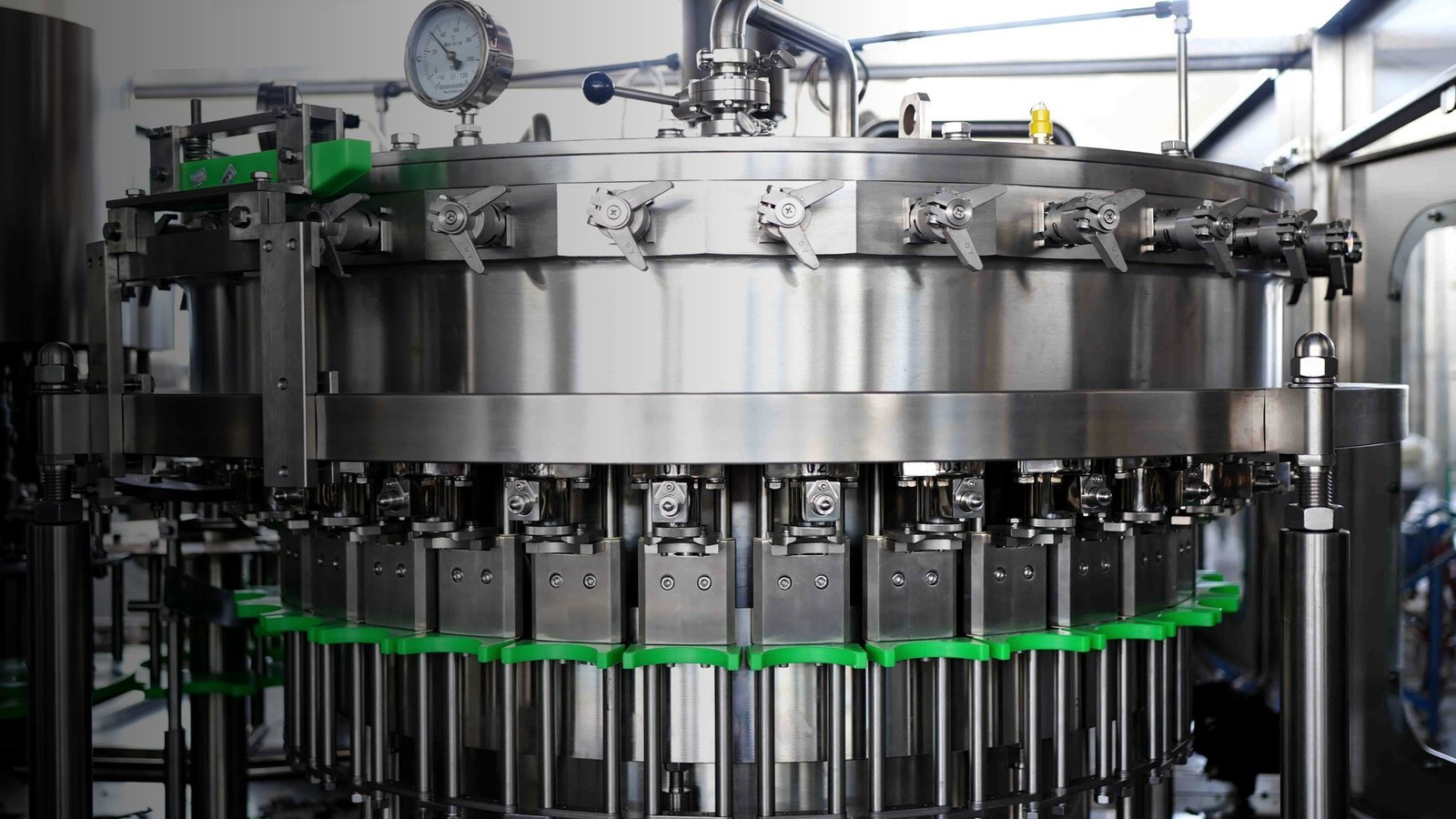
Define the engineering basis before comparing suppliers
Closure performance depends on the complete neck, cap, liner or seal, capping head, product, pressure, temperature, handling and test system. One torque number without application time, test delay, method, cap and neck revision can create false comparisons and may not predict seal integrity or consumer opening performance.
The RFQ should include controlled component drawings and production samples, process conditions, capping technology, target operating window, destructive and non-destructive checks, sampling frequency, instrument verification and response to trends. Product-package specialists should approve the final performance limits.
Use this page to prepare a comparable request for quotation and design review. It does not replace product validation, site-specific risk assessment, destination-market compliance, professional engineering or a signed project specification.
Six decisions that shape equipment scope and performance
Each workstream should end with an approved basis, named owner and evidence requirement. Unknowns remain visible assumptions instead of being converted into unsupported claims.
Neck and closure compatibility
Control neck-finish and cap drawings, material, liner or seal, tamper-evident feature, venting needs, supplier revisions and dimensional inspection.
Record the confirmed input, calculation or selection basis, responsible party, required supplier response and evidence that will close this decision before purchase.
Application process
Define cap feeding, orientation, head type, chuck or gripper, top load, rotation, speed, application angle, lubrication restrictions and format change.
Record the confirmed input, calculation or selection basis, responsible party, required supplier response and evidence that will close this decision before purchase.
Torque measurement method
State application or removal torque, instrument, fixture, test speed, delay after capping, temperature, sample conditioning, repetitions and data treatment.
Record the confirmed input, calculation or selection basis, responsible party, required supplier response and evidence that will close this decision before purchase.
Seal and integrity tests
Connect torque to leakage, pressure or vacuum, carbonation retention, induction seal where used, tamper evidence and relevant package abuse tests.
Record the confirmed input, calculation or selection basis, responsible party, required supplier response and evidence that will close this decision before purchase.
Inspection and sampling
Plan cap presence, height, skew, bridge or band condition, vision criteria, reject confirmation, manual checks and statistical trend review.
Record the confirmed input, calculation or selection basis, responsible party, required supplier response and evidence that will close this decision before purchase.
Operating window and response
Test minimum and maximum line speeds, product conditions and approved components. Define adjustment authority, head maintenance, hold and investigation after drift.
Record the confirmed input, calculation or selection basis, responsible party, required supplier response and evidence that will close this decision before purchase.
Make supplier responses comparable
Send the same inputs and questions to every shortlisted supplier. Require deviations, exclusions and buyer-supplied work to be stated beside the relevant line item.
| Decision area | Buyer information | Question to close |
|---|---|---|
| Components | Neck, cap, liner or seal and approved revisions | Are trial samples representative of production supply? |
| Application | Head, top load, speed and product condition | Which parameters control closure placement and seal formation? |
| Test | Torque type, delay, fixture and repetitions | Can different parties reproduce the result? |
| Response | Trend, inspection, leak test and disposition | What action follows an out-of-window result? |
Resolve these gaps before procurement
A visible uncertainty can be tested, assigned or priced. A hidden assumption commonly appears later as a change order, delayed startup, failed quality check or disputed acceptance result.
- Mixing application torque and removal torque values
- Testing immediately and later without stating delay
- Using mismatched cap and neck revisions
- Accepting torque without leak or integrity evidence
- Checking only one capper head or speed
- Adjusting heads without traceable maintenance and product disposition
Evidence to request and retain
Documents should be revision controlled and linked to the approved project basis. Final handover should include deviations, open items, as-built status and the owner of every remaining action.
- Approved neck and closure drawings
- Component sample and lot traceability
- Capping-head and setup specification
- Controlled torque test method
- Torque and closure-inspection study
- Leak, pressure or seal-integrity results
- Sampling and trend-control plan
- Adjustment, maintenance and disposition procedure
Technical references for the buyer’s own review
These official industry or public-agency resources support the planning logic. They do not certify a specific project and must be interpreted against the actual product, factory and destination-market requirements.
Beverage Cap Torque and Closure Quality Control FAQ
What cap torque should a beverage bottle use?
There is no universal value. The approved cap and neck suppliers and product-package specialists should define a verified window with a controlled test method.
Why does test delay matter?
Closure materials and seals can relax or change after application. Results are only comparable when the delay and conditioning are defined.
Does correct torque prove the bottle will not leak?
No. Torque is one process indicator. Seal integrity, component conformance, cap position and relevant pressure or transport tests also matter.
How should a multi-head capper be sampled?
The plan should represent every head over time and connect results to head identity, component lot, line condition and corrective action.
Related beverage engineering guides
Use related pages to connect this decision with product, package, process, utility, control, installation and acceptance boundaries.
Why do capped beverage bottles leak or show unstable removal torque?
Treat the closure as a package system. Cap application, bottle neck finish, thread condition, headspace, product on the sealing surface, application-head condition and the measurement method can all change leakage and removal torque.
What you may be seeing
- Leaks appear after transport, warming or cooling rather than immediately
- Removal torque varies by capping head
- Tamper bands bridge, break unevenly or sit at different heights
- Caps are visibly tilted, loose or damaged
Check these causes first
- Cap and neck-finish tolerances are not compatible across the full range
- Capping chuck, spindle or application head is worn or misaligned
- Product, condensation or debris contaminates the sealing surface
- Torque is measured at inconsistent time, temperature or test conditions
Record before changing settings
- Sample and label bottles by capping head
- Record applied settings and removal torque at defined conditioning times
- Inspect cap, liner, tamper band and neck finish against controlled drawings
- Run leak or pressure tests that reflect distribution and product conditions
Email the details needed for a technical scope review
We can turn the package evidence into closure-application, inspection and acceptance questions for the capper, bottle supplier and closure supplier.
- Cap and bottle-neck drawings
- Cap material, liner and supplier
- Torque test method and sample results by head
- Leak-test conditions and failure photos
- Filling temperature, headspace and line speed
Keep guards, interlocks and lockout procedures in service. Remote review can organize evidence and supplier questions, but site-specific diagnosis, food-safety validation and equipment work must be performed by competent responsible personnel.
Turn the requirement into a controlled technical RFQ
Send the product and package matrix, target saleable output, factory drawing, available utilities, destination country, budget range and purchase timeline. We can organize equipment and interface questions without inventing missing facts.