 China Beverage Machinery
LanguageEnglish
Beverage factory engineering guide
Dissolved Oxygen Control in Beverage Filling
Plan dissolved oxygen control across water, blending, tanks, transfer, filling and closure with measurable limits, sampling points and acceptance evidence.
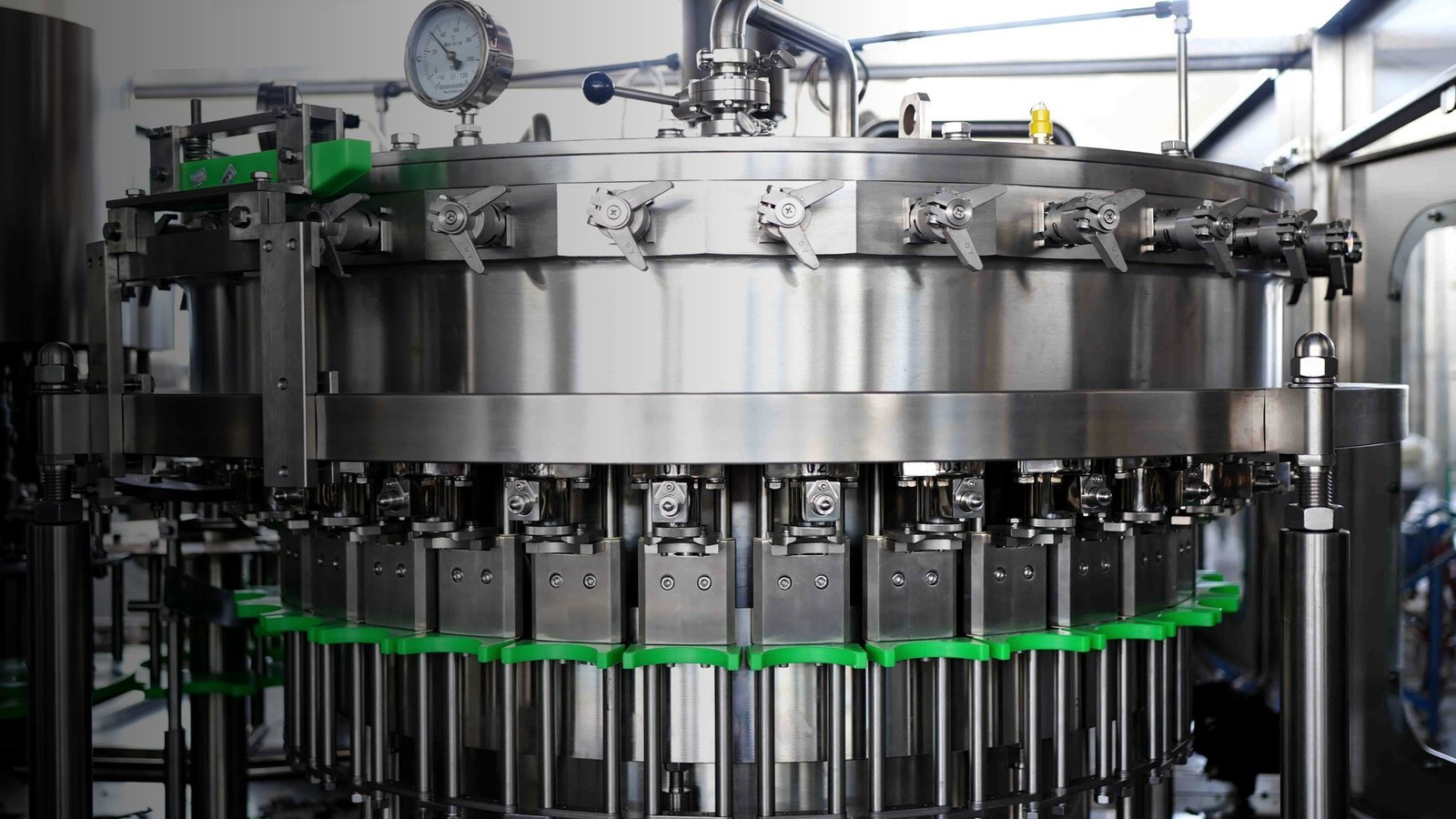
Define the engineering basis before comparing suppliers
Oxygen pickup is a system problem, not a single filler setting. Raw and treated water, ingredient preparation, tank headspace, pump seals, transfer velocity, product temperature, filler bowl operation, container purging and closure timing can each change the oxygen presented to the packaged beverage.
A useful RFQ therefore states the oxygen-sensitive product family, incoming dissolved-oxygen condition, target at defined sampling locations, measurement method, container and closure, production temperature, allowable hold time and test protocol. Product specialists must confirm the shelf-life relationship; the equipment quotation should define how the line will control and demonstrate its own contribution.
Use this page to prepare a comparable request for quotation and design review. It does not replace product validation, site-specific risk assessment, destination-market compliance, professional engineering or a signed project specification.
Six decisions that shape equipment scope and performance
Each workstream should end with an approved basis, named owner and evidence requirement. Unknowns remain visible assumptions instead of being converted into unsupported claims.
Product sensitivity and test boundary
Identify which recipes are oxidation-sensitive and where dissolved oxygen or total package oxygen will be measured. Separate incoming product condition from oxygen added by tanks, transfer, filling and closing.
Record the confirmed input, calculation or selection basis, responsible party, required supplier response and evidence that will close this decision before purchase.
Water and ingredient preparation
Record treated-water oxygen, deaeration duty, mixing sequence, powder or concentrate addition, recirculation and any nitrogen or carbon-dioxide blanketing needed before product reaches the filler.
Record the confirmed input, calculation or selection basis, responsible party, required supplier response and evidence that will close this decision before purchase.
Tank and transfer design
Review tank headspace, level control, return lines, pump seals, vortex prevention, pipe velocities and residence time. Air entrainment upstream can erase gains made at the filler.
Record the confirmed input, calculation or selection basis, responsible party, required supplier response and evidence that will close this decision before purchase.
Filling and container purge
Define product temperature, filler technology, bowl pressure, snift sequence, pre-evacuation or gas purge, foam behavior and container conditions for every package family.
Record the confirmed input, calculation or selection basis, responsible party, required supplier response and evidence that will close this decision before purchase.
Closure and package oxygen
Link cap or seam application time, headspace, closure integrity and package permeability to the measurement plan. Dissolved oxygen alone may not describe all oxygen inside a finished package.
Record the confirmed input, calculation or selection basis, responsible party, required supplier response and evidence that will close this decision before purchase.
Measurement and acceptance
Agree instrument range, calibration, sample handling, test frequency, locations, baseline, repeatability and corrective action. The contract should distinguish a controlled line contribution from an unverified shelf-life claim.
Record the confirmed input, calculation or selection basis, responsible party, required supplier response and evidence that will close this decision before purchase.
Make supplier responses comparable
Send the same inputs and questions to every shortlisted supplier. Require deviations, exclusions and buyer-supplied work to be stated beside the relevant line item.
| Decision area | Buyer information | Question to close |
|---|---|---|
| Product basis | Recipe family, temperature, carbonation and oxygen sensitivity | Which packages and operating modes need a defined oxygen limit? |
| Incoming condition | DO at filler inlet with sample method and time | What condition is supplied by the buyer's process system? |
| Package system | Bottle or can, headspace, cap or seam and purge method | Where can oxygen enter before final closure? |
| Acceptance | Locations, instrument, repetitions and permissible variation | How will supplier contribution be isolated and demonstrated? |
Resolve these gaps before procurement
A visible uncertainty can be tested, assigned or priced. A hidden assumption commonly appears later as a change order, delayed startup, failed quality check or disputed acceptance result.
- Quoting one oxygen value without naming the sampling point
- Ignoring oxygen pickup during blending and transfer
- Using a laboratory instrument without a controlled sampling method
- Changing bottle, cap, temperature or foam behavior after the trial
- Treating dissolved oxygen as identical to total package oxygen
- Promising shelf life without validated product and package studies
Evidence to request and retain
Documents should be revision controlled and linked to the approved project basis. Final handover should include deviations, open items, as-built status and the owner of every remaining action.
- Oxygen-control process flow and responsibility boundary
- Approved product and package test matrix
- Sampling-point drawing and sample-handling procedure
- Instrument range, calibration and verification records
- FAT and SAT oxygen test protocol
- Trend data for inlet, filler outlet and packaged product
- Alarm and corrective-action logic
- Open assumptions requiring product validation
Technical references for the buyer’s own review
These official industry or public-agency resources support the planning logic. They do not certify a specific project and must be interpreted against the actual product, factory and destination-market requirements.
Dissolved Oxygen Control in Beverage Filling FAQ
Where should dissolved oxygen be measured?
Use locations that separate the incoming product condition from pickup through tanks, transfer, filling and closure. State the exact sampling point and handling method for every value.
Can nitrogen purging solve every oxygen problem?
No. Purging may help at selected interfaces, but upstream entrainment, unsuitable transfer, container conditions and closure delay can remain dominant.
Is a low filler-outlet value a shelf-life guarantee?
No. Shelf life depends on the validated recipe, process, package, storage and distribution conditions. The equipment test should cover a defined line contribution.
What belongs in the RFQ?
Include product families, inlet condition, target locations, measurement method, package and closure, temperature, speed range and acceptance repetitions.
Related beverage engineering guides
Use related pages to connect this decision with product, package, process, utility, control, installation and acceptance boundaries.
Why does dissolved oxygen rise between processing and the sealed package?
Sample at successive process boundaries with one controlled method. The largest oxygen increase may occur in water, mixing, tank headspace, pump seals, transfer, filler operation, container purging or closure delay.
What you may be seeing
- DO is low after deaeration but high at filler inlet or package
- Oxidation varies with tank level, speed or stop duration
- One package format performs worse than another
- Nitrogen use increases without consistent packaged results
Check these causes first
- Air enters through mixing, vortexing, seals, hoses or tank headspace
- Transfer velocity, pressure changes or long residence introduces oxygen
- Container purge, filler bowl and closure timing are not coordinated
- Sampling technique or instrument handling creates false differences
Record before changing settings
- Use one calibrated method and named sample points
- Measure during steady running, low speed and stop/restart
- Record tank level, pressure, temperature and gas settings
- Compare filler inlet, filled open container and sealed-package results
Email the details needed for a technical scope review
We can organize the oxygen-pickup evidence into process, transfer, filling, inert-gas and acceptance questions for a new line or targeted retrofit.
- Product family and oxidation concern
- Process flow and sample-point DO results
- Temperature, tank and transfer conditions
- Filler, purge and closure arrangement
- Package format, line speed and stop history
Keep guards, interlocks and lockout procedures in service. Remote review can organize evidence and supplier questions, but site-specific diagnosis, food-safety validation and equipment work must be performed by competent responsible personnel.
Turn the requirement into a controlled technical RFQ
Send the product and package matrix, target saleable output, factory drawing, available utilities, destination country, budget range and purchase timeline. We can organize equipment and interface questions without inventing missing facts.