 China Beverage Machinery
LanguageEnglish
Existing Line Upgrade
Beverage Line Retrofit and Capacity Expansion
A successful retrofit starts with measured existing performance, accurate as-built information and a clear production constraint. Replacing the nominal bottleneck alone may move the loss to utilities, conveyors, package supply or downstream packing.
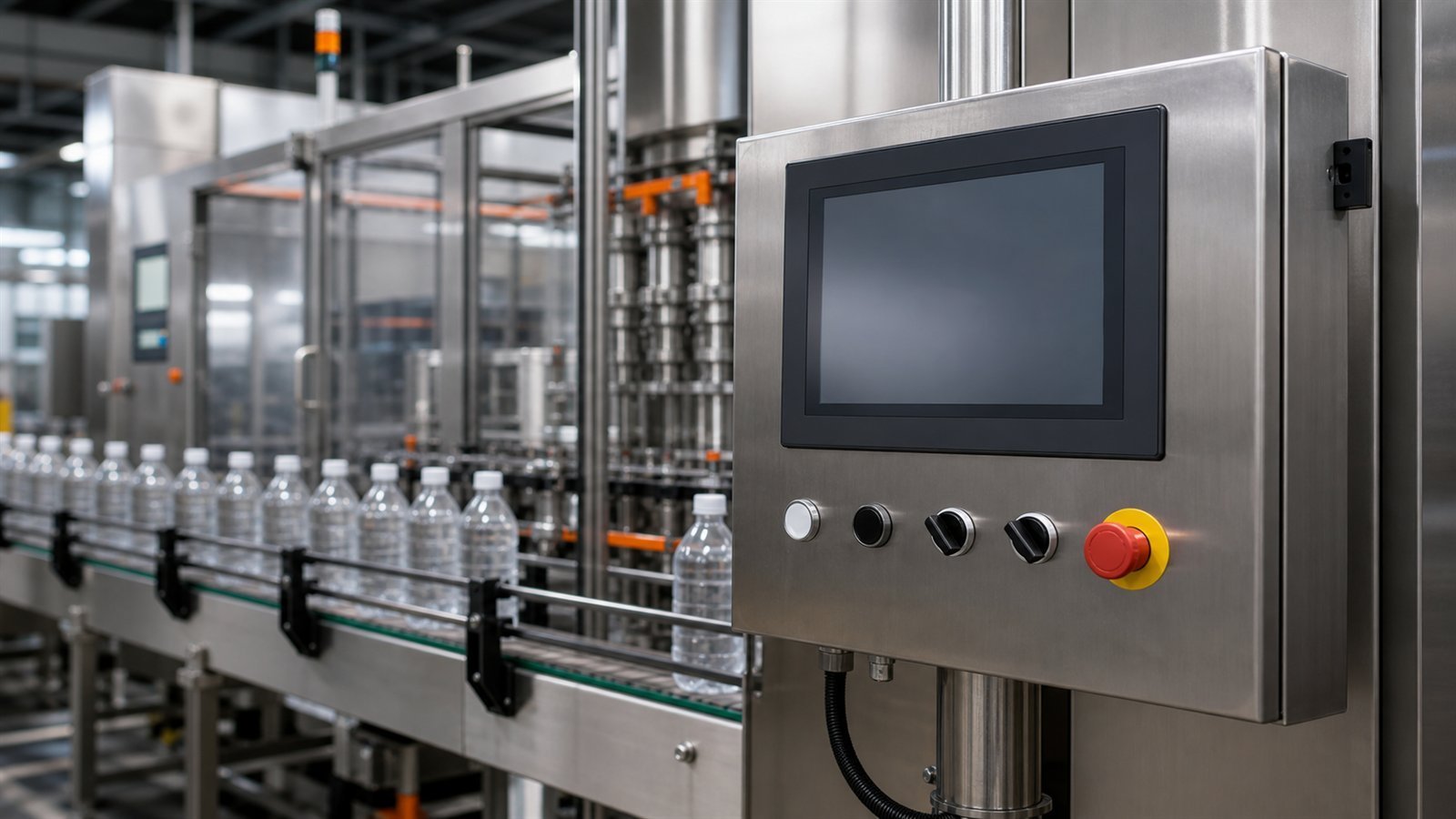
Plan the product path before selecting isolated machines
The audit should distinguish mechanical availability, speed loss, quality rejects, changeover time, product shortage and planned stops. OEE data is useful only when event definitions and collection quality are understood.
Brownfield work also needs safe installation windows, temporary production plans, controls compatibility, guarding, utilities and commissioning recovery. These constraints should appear in the quotation.
Modules to define in the quotation
Each proposal should identify included equipment, options, buyer-supplied items, utility battery limits, controls interfaces and acceptance responsibility.
Installed-line audit
Record machine models, serials, speeds, format parts, controls, drawings, condition, spares and unresolved reliability issues.
Performance baseline
Use saleable output, stop events, rejects, changeovers and product supply across representative production periods.
Mechanical and conveyor changes
Check transfer heights, pitches, accumulation, access, guarding, bottle pressure and downstream buffer before adding speed.
Controls integration
Document PLC, HMI, drives, networks, I/O, backups, licenses and stop-permissive logic across old and new equipment.
Utility capacity
Measure power, air, cooling, water, heat and drainage at peak production and cleaning conditions.
Shutdown and commissioning
Plan isolation, removal, lifting, tie-ins, dry tests, wet tests, product trials, training and production ramp-up.
Information that changes the line configuration
Use one structured data set for every supplier so quotations can be compared on the same product, package, capacity and factory duty.
| Decision area | What the buyer should provide | Engineering impact |
|---|---|---|
| Asset register | Machines, models, serials, controls and available drawings. | Defines compatibility and survey gaps. |
| Performance data | Output, stops, rejects, changeovers and product shortages. | Identifies the real constraint. |
| New duty | Required products, packages, speeds and final packs. | Defines retrofit scope and change parts. |
| Site survey | Dimensions, access, foundations, utilities and safety. | Defines installation feasibility. |
| Controls | Backups, architecture, network, licenses and owner standards. | Defines integration risk. |
| Shutdown | Available windows, temporary production and ramp-up plan. | Defines project sequencing. |
Resolve these questions before freezing the equipment list
Fix reliability before adding speed
A faster filler will not improve output when recurring stops, poor packages or downstream packing remain unresolved.
Retain versus replace
Compare condition, spare availability, controls obsolescence, safety, performance and integration for each installed module.
One shutdown or phases
Phased work can reduce production disruption but may add temporary interfaces, repeated commissioning and project duration.
Acceptance baseline
Agree current performance, upgraded duty, test product, run duration, measurement method and allowed open items.
Send these project inputs
- Installed asset list and drawings
- Representative production and stop data
- New product-package-capacity matrix
- Photos and measured layout
- Controls and utility information
- Safety and compliance requirements
- Available shutdown windows
- Acceptance and production-ramp targets
Verify these handover points
- As-built interfaces verified
- Mechanical and controls tie-ins tested
- Utility peaks recorded
- Target products and formats run
- Saleable output and rejects measured
- Backups, drawings, spares and open actions handed over
Questions buyers ask before quotation
How do we find the real bottleneck?
Use representative output, stop, reject, changeover and product-supply data across the complete line, then verify observations on site.
Can a new filler increase line output?
Only if upstream process, container supply, conveyors, labeling, packing and utilities can support the new duty.
What controls data is needed?
Collect PLC and HMI backups, drive parameters, networks, I/O, licenses, software versions and stop logic.
How should retrofit acceptance work?
Compare the agreed baseline and target using defined products, packs, run duration, saleable output, rejects, stops and open-action rules.
Related equipment and buyer resources
Turn product and factory data into a comparable line scope
Send beverage type, validated process, container drawings, saleable output, utilities, factory dimensions, destination, budget range and purchase timeline.