 China Beverage Machinery
LanguageEnglish
Dairy Drink Solution
Dairy Beverage Processing and Filling Line
Dairy beverages require a tightly defined product-safety process, hygienic design, temperature control and cleaning program. The line should be engineered from the validated milk or dairy-drink process and the confirmed package rather than treated as a standard juice project.
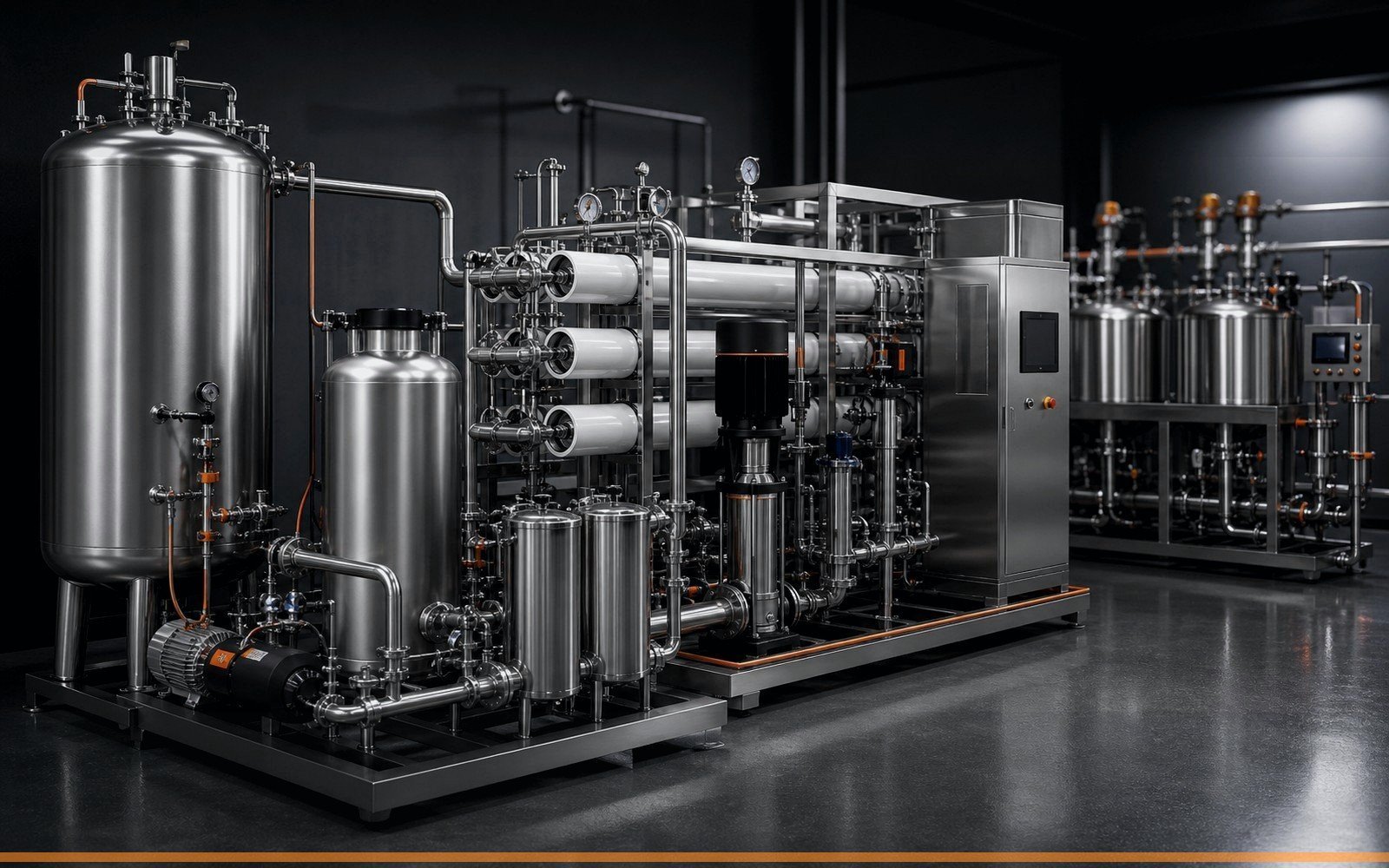
Plan the product path before selecting isolated machines
The factory boundary can begin with raw milk, pasteurized milk, milk powder or a prepared dairy base. Receiving, cold storage, standardization and upstream dairy treatment vary accordingly.
This page describes planning inputs, not a claim that one standard configuration suits all dairy products. Qualified dairy and food-safety specialists must define product treatment, hygienic zoning and shelf-life validation.
Modules to define in the quotation
Each proposal should identify included equipment, options, buyer-supplied items, utility battery limits, controls interfaces and acceptance responsibility.
Milk receiving and storage
Define raw milk, pasteurized milk, powder or base input, delivery temperature, testing, chilling and storage duration.
Blending and powder induction
Document sugar, cocoa, stabilizers, flavors and powders, including hydration, temperature, allergen and dust controls.
Homogenization
Confirm pressure, stages, temperature and product range from validated process or representative trials.
Thermal process
Pasteurization or UHT conditions, hold, diversion, recording and recovery should implement the buyer’s validated process.
Hygienic filler boundary
Package treatment, controlled environment, sterile or hygienic transfer and filler cleaning depend on the confirmed shelf-life route.
CIP and product segregation
Milk soils, allergens, time and temperature require a documented circuit, recipe, verification and production sequence.
Information that changes the line configuration
Use one structured data set for every supplier so quotations can be compared on the same product, package, capacity and factory duty.
| Decision area | What the buyer should provide | Engineering impact |
|---|---|---|
| Milk source | Raw, pasteurized, powder or prepared base and receiving conditions. | Defines the upstream dairy scope. |
| Product matrix | Fat, protein, solids, cocoa, flavors, particles and allergens. | Defines blending, homogenization and cleaning. |
| Validated process | Temperature, hold, cooling, filling and storage conditions. | Defines product-safety equipment. |
| Package | Bottle, can or other package, closure and barrier specification. | Defines the hygienic filling system. |
| Campaign plan | Batch size, product order, operating hours and CIP frequency. | Defines tanks and cleaning capacity. |
| Site controls | Cold chain, utilities, laboratory, zoning and personnel flow. | Defines building and project boundaries. |
Resolve these questions before freezing the equipment list
Raw milk versus prepared base
These starting points change receiving, laboratory, chilling, separation, storage and regulatory responsibilities.
Chilled versus ambient product
Shelf-life route and package determine whether pasteurization, UHT, hygienic or aseptic filling is appropriate.
Shared dairy and plant-based line
Allergen segregation, process ranges, CIP validation and product release need explicit review.
Local process authority
Engage qualified dairy and food-safety expertise early so equipment requirements and validation responsibilities are clear.
Send these project inputs
- Milk or dairy base input specification
- Product and allergen matrix
- Validated thermal and filling process
- Package and storage conditions
- Batch, campaign and output plan
- CIP and hygienic zoning requirements
- Utilities and cold-chain information
- Laboratory, acceptance and documentation needs
Verify these handover points
- Receiving and temperature controls checked
- Blending and homogenization data recorded
- Critical thermal controls verified
- Hygienic filling boundary tested
- CIP sequence and verification demonstrated
- Validation responsibilities and documents closed
Questions buyers ask before quotation
Is a dairy beverage line the same as a juice line?
No. Milk properties, low-acid safety, cold chain, hygienic zoning, cleaning and filler requirements can be substantially different.
Can the line use milk powder?
It can when powder receiving, induction, hydration, blending and validated product processing are included in the scope.
Does the equipment supplier validate shelf life?
The buyer should assign qualified dairy, laboratory and food-safety specialists. Equipment should support the confirmed process and validation plan.
What is needed before quotation?
Provide milk source, formula matrix, process route, package, output, CIP, utilities, zoning and project responsibilities.
Related equipment and buyer resources
Turn product and factory data into a comparable line scope
Send beverage type, validated process, container drawings, saleable output, utilities, factory dimensions, destination, budget range and purchase timeline.