 China Beverage Machinery
LanguageEnglish
Not-From-Concentrate Juice
NFC Juice Processing and Filling Line
Not-from-concentrate juice projects must protect a variable raw material through receiving, extraction interfaces, separation or clarification, oxygen control, validated thermal treatment, hygienic transfer and suitable packaging.
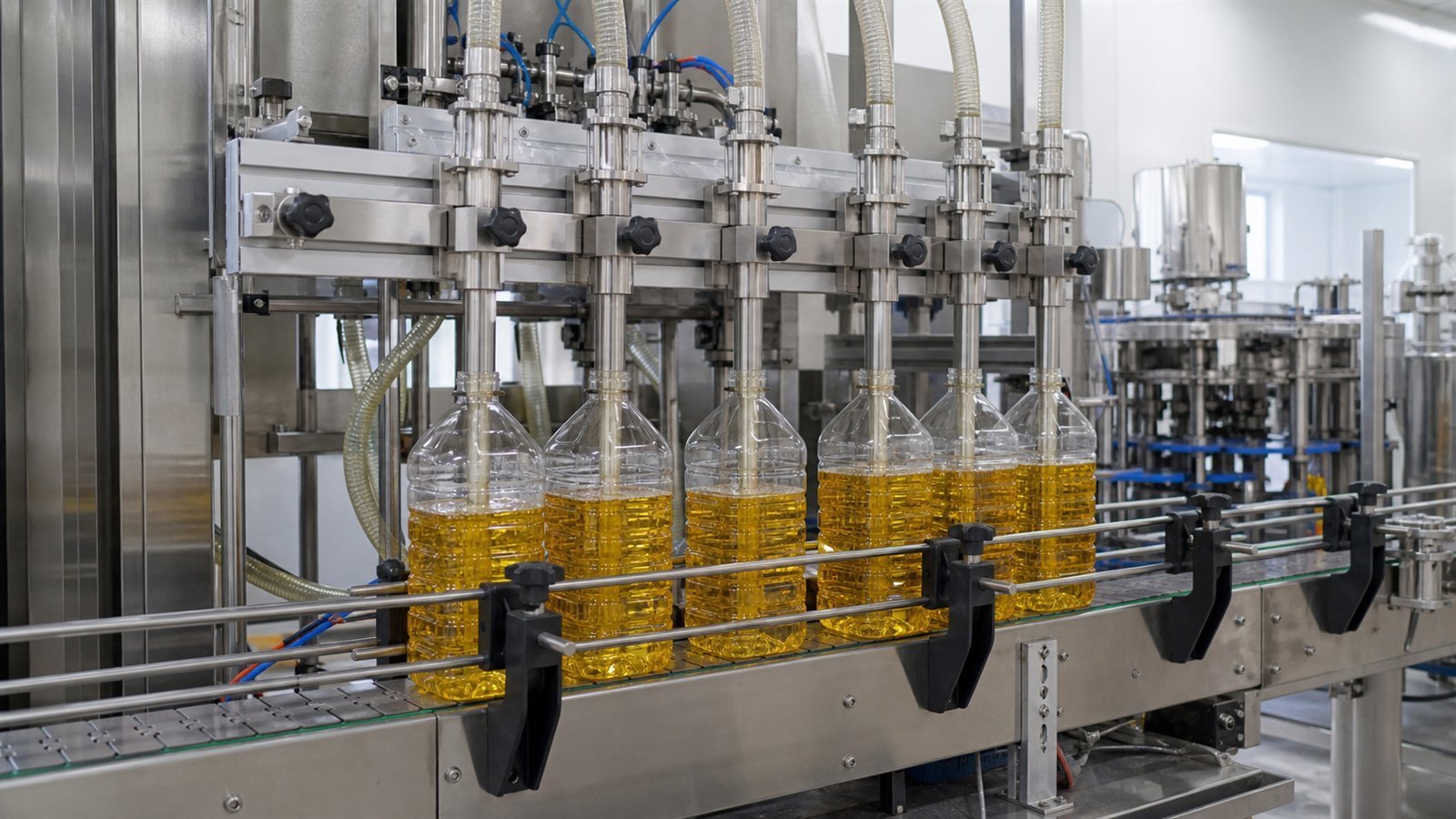
Plan the product path before selecting isolated machines
The equipment boundary changes depending on whether whole fruit, extracted juice or bulk NFC juice enters the factory. Fruit type, harvest conditions, pulp target, acidity and storage plan should be documented before capacity is discussed.
A line designed around average juice properties can struggle during seasonal variation. The process authority should provide acceptable operating ranges and the engineering review should identify which settings, screens or flow paths change by product.
Modules to define in the quotation
Each proposal should identify included equipment, options, buyer-supplied items, utility battery limits, controls interfaces and acceptance responsibility.
Receiving boundary
Define whether the scope starts with fruit, freshly extracted juice, chilled bulk juice or another input. Include temperature, delivery rate and storage time.
Pulp and solids handling
State desired pulp content, particle size and expected variability so screens, pumps, valves, heat exchangers and filler passages are compatible.
Oxygen and residence time
Map tanks, transfers and buffers to control air pickup and unnecessary hold time where these affect the validated quality plan.
Thermal treatment
The buyer’s process authority should define the validated temperature and hold conditions. The line then provides control, recording and diversion.
Hygienic buffer and filler
Buffer volume should absorb normal interruptions without creating uncontrolled product age or breaking the treatment boundary.
Seasonal cleaning load
Fruit solids and pulp can change fouling and CIP demand. Circuit design should reflect actual product campaigns and soil conditions.
Information that changes the line configuration
Use one structured data set for every supplier so quotations can be compared on the same product, package, capacity and factory duty.
| Decision area | What the buyer should provide | Engineering impact |
|---|---|---|
| Input material | Fruit or juice type, condition, delivery form, temperature and seasonal range. | Defines receiving and first process steps. |
| Product properties | Acidity, soluble solids, pulp, particles, viscosity and oxygen sensitivity. | Defines pumps, separation and heat transfer. |
| Validated process | Treatment, hold, filling, cooling and storage conditions. | Defines product-safety architecture. |
| Package | Bottle or carton interface, closure, barrier and filling condition. | Defines filler and downstream handling. |
| Production plan | Season, batches, campaigns, SKUs and operating hours. | Defines buffer, cleaning and storage. |
| Quality records | Sampling, release and critical process data. | Defines instruments and batch documentation. |
Resolve these questions before freezing the equipment list
Whole fruit versus bulk NFC input
These are different factory scopes. Clarify who supplies extraction, waste handling, cold storage and raw-material quality control.
Cloudy versus clarified juice
Desired appearance and pulp determine separation, filtration, pumping and filling requirements.
Seasonal capacity
Size receiving and storage around peak harvest while keeping downstream processing balanced and cleanable.
Package route
Hot fill, ultra-clean, aseptic or chilled filling should follow validated product and market requirements.
Send these project inputs
- Fruit or juice input specification
- Seasonal physical-property ranges
- Pulp and clarification target
- Validated treatment and filling route
- Package drawings and output
- Campaign and storage plan
- Factory utilities and waste handling
- Quality, traceability and acceptance needs
Verify these handover points
- Receiving flow and storage conditions verified
- Pulp-sensitive equipment checked with representative product
- Critical treatment records captured
- Buffer and filler balance demonstrated
- Product-loss and cleaning routes reviewed
- As-built process documents delivered
Questions buyers ask before quotation
What does an NFC juice line include?
Depending on the starting material, it can include receiving, extraction interfaces, screening, separation, blending, deaeration, thermal treatment, hygienic storage and filling.
Can the same line run several fruits?
Potentially, but property ranges, pulp, color, flavor carryover, heat treatment, cleaning and seasonality must be reviewed.
How is line capacity defined?
State raw-material receiving rate, process throughput, batch plan and saleable pack output because these values can differ.
Why provide seasonal ranges?
Fruit properties can change across varieties and harvest periods. Equipment should be checked against realistic operating limits rather than one sample.
Related equipment and buyer resources
Turn product and factory data into a comparable line scope
Send beverage type, validated process, container drawings, saleable output, utilities, factory dimensions, destination, budget range and purchase timeline.