 China Beverage Machinery
LanguageEnglish
Sports Beverage Solution
Sports Drink and Isotonic Beverage Production Line
Sports drinks often use treated water, sugars or sweeteners, acids, electrolytes, flavors and colors in a controlled batch process. The selected shelf-life route, filling temperature and PET package determine the equipment between blending and finished packs.
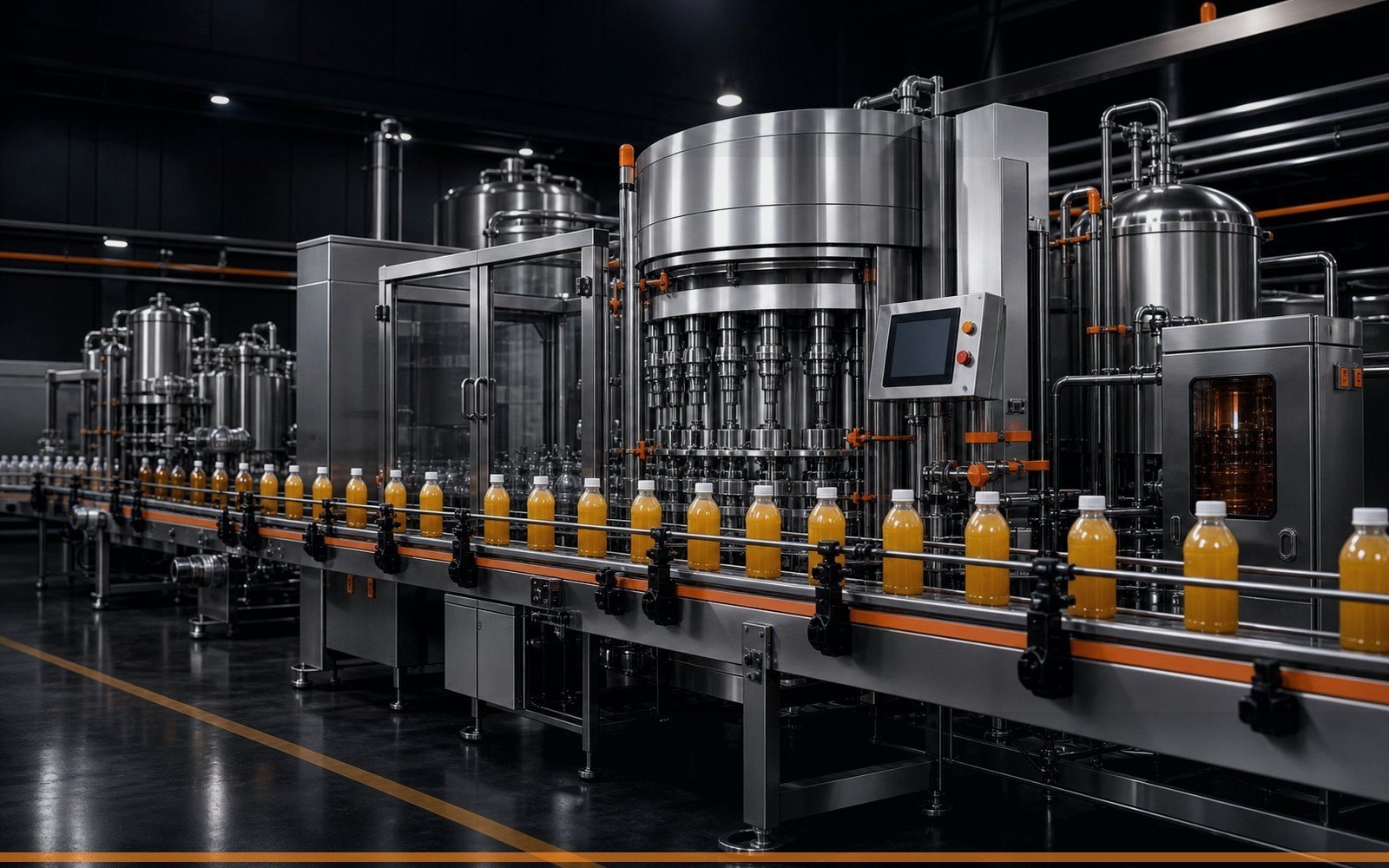
Plan the product path before selecting isolated machines
The project should start with recipe families and validated product conditions. Salt and mineral ingredients can have small dosing ranges, while flavors and colors create sequence and cleaning considerations across shared tanks and pipes.
Hot-fill PET is common in some markets, but cold-chain, preservative, ultra-clean or other routes can also be used depending on the confirmed formulation and regulatory plan. Equipment selection follows that decision.
Modules to define in the quotation
Each proposal should identify included equipment, options, buyer-supplied items, utility battery limits, controls interfaces and acceptance responsibility.
Electrolyte premix
Define ingredient form, solubility, addition order and dosing tolerance. A premix can help disperse low-dose salts before final blending.
Batch blending
Tank range and agitation must support the smallest launch batch and the peak filler demand while allowing sampling, release and cleaning.
Thermal or hygienic process
The treatment path should implement the validated shelf-life plan with documented temperature, flow, diversion or hygienic controls where applicable.
PET bottle interface
Bottle weight, heat resistance, neck finish, closure and panel behavior should match filling and cooling conditions.
Cooling profile
For hot-filled packages, coordinate entry temperature, residence time, water zones, discharge temperature and label application.
Flavor changeover
Use a product sequence and CIP plan that addresses color, flavor and ingredient carryover without unnecessary water or downtime.
Information that changes the line configuration
Use one structured data set for every supplier so quotations can be compared on the same product, package, capacity and factory duty.
| Decision area | What the buyer should provide | Engineering impact |
|---|---|---|
| Recipe data | Ingredient families, acidity, solids, electrolytes, color and sensitive components. | Defines dosing and process requirements. |
| Process route | Validated treatment, filling temperature and distribution condition. | Defines heater, filler and cooling scope. |
| Bottle matrix | PET drawings, weights, neck finish, caps, labels and pack formats. | Defines package handling and change parts. |
| Batch schedule | Batch sizes, SKUs per shift and cleaning frequency. | Defines tank count and buffer strategy. |
| Output | Saleable bottles per hour for every size. | Defines balanced capacity across the line. |
| Utilities | Water, heat, cooling, air, power and drainage. | Defines site readiness and utility equipment. |
Resolve these questions before freezing the equipment list
Hot fill versus another route
Base the decision on product validation, package, shelf life, market and factory capability rather than copying another beverage line.
Single-serve format range
Small and large sports-drink bottles can create different speeds, cooling loads, labels and multipack arrangements.
Future functional ingredients
Reserve sensible dosing and connection flexibility only where future products are defined; keep unconfirmed modules as options.
Saleable output
Include normal label, pack and changeover losses in the production target instead of rating the project only at filler nameplate speed.
Send these project inputs
- Recipe families and ingredient forms
- Validated shelf-life and filling process
- PET bottle, cap, label and pack drawings
- Batch sizes and SKU schedule
- Target saleable output
- Cooling and utility conditions
- Factory layout and drainage
- Acceptance and documentation requirements
Verify these handover points
- Dosing range and recipe sequence checked
- Batch sampling and release points verified
- Treatment records demonstrated
- Bottle and closure performance recorded
- Cooling and label condition checked
- CIP recipes and change parts documented
Questions buyers ask before quotation
Are sports drinks always hot filled?
No. The appropriate route depends on the formulation, package, shelf-life target, distribution and validated food-safety process.
Can the line also produce flavored water?
It may share some equipment, but recipes, treatment, cleaning, filling condition and package requirements need a common product matrix.
How should capacity be stated?
Provide required saleable bottles per hour for every bottle volume together with shift hours and final pack format.
What ingredients affect equipment selection?
Ingredient form, solubility, dosing range, acidity, viscosity, particles, heat sensitivity and cleaning behavior can all matter.
Related equipment and buyer resources
Turn product and factory data into a comparable line scope
Send beverage type, validated process, container drawings, saleable output, utilities, factory dimensions, destination, budget range and purchase timeline.